Maamigili Beru Reef: A Dive into South Ari Atoll’s
About Maamigili Beru Reef: A Dive into South Ari Atoll’s
Maamigili Beru Reef – Maldives
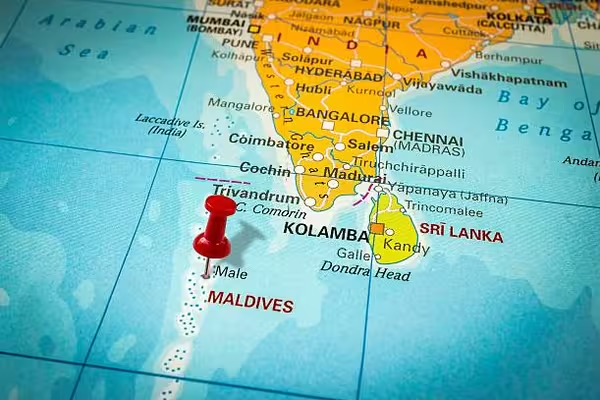
Maamigili Beru Reef is among the most interesting attractions of the attractive Maldives nation. Maamigili Beru Reef is situated within the picturesque South Ari Atoll. It is characterized by very clear water, rich in coral reefs, and various types of aquatic fauna. This makes it the most suitable place for diving enthusiasts, who will have the possibility to observe various types of marine creatures that come from different parts of the world.
Being surrounded by beautiful corals and different types of ecosystems, Maamigili Beru Reef provides the opportunity to discover the beauty of Maldives beneath water. One should note that the Maamigili Beru Reef is inhabited by whale sharks, mantas, and various other species of tropical fish that live in very clean water of South Ari Atoll. Regardless of your level of experience in scuba diving, Maamigili Beru Reef promises unique underwater scenery and warm tropical weather throughout the year.
A Diver’s Paradise
Quick Facts About Maamigili Beru Reef
|
Diving Conditions and Best Times to Visit
Top Attractions at Maamigili Beru Reef
🐋 Interacting With Whale Sharks
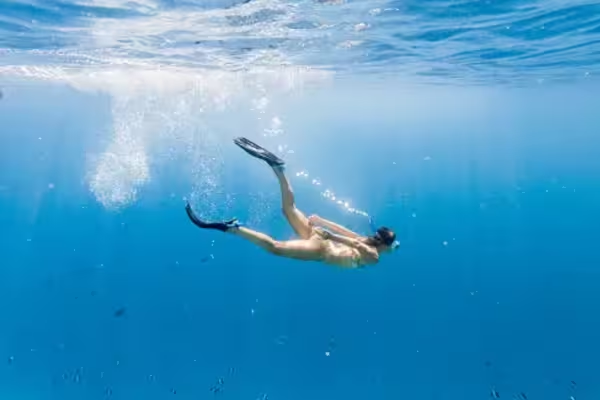
The Maamigili Beru Reef is internationally famous because of the constant interactions with the whale sharks here. One will be able to snorkel and swim along with the whale sharks in the tropical waters found within the South Ari Atoll region.
🤿 Stunning Scuba Diving Opportunities
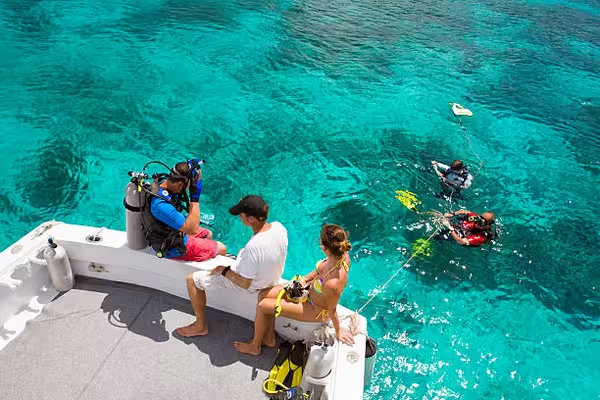
One will also find some excellent places for scuba diving, where one will have the privilege to dive amidst the colorful environment of the coral garden, reef walls, and sandy seabeds full of various types of sea creatures including eagle rays, reef sharks, moray eels, and tropical fishes.
🐠 Fascinating Snorkelling Activities
Snorkelers will be able to take part in fascinating snorkeling activities among the reefs.
Conservation Efforts
Marine Life at Maamigili Beru Reef
|
Planning Your Trip
Best Time for Maamigili Beru Reef Dive
It would be best to go on a dive at Maamigili Beru Reef from November to April when the sea conditions are favorable with good visibility. Whale sharks can be seen all year round but mantas can be observed during plankton migrations.
Related Maldives Resorts & Hotels
 Related Resort
10 Top Resorts for Families in the Maldives
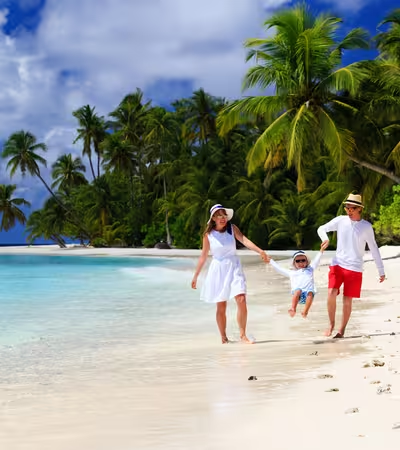
The following resorts are among others: Environment Kanifushi, Constance Moofushi, W Maldives, Niyama Maldives, Shangri-La Maldives, Jumeirah Vittaveli, Four Seasons Resort, Soneva Jani, Kurumba Maldives, Riu Royal residence Maldives, Hideout Ocean side Retreat and Spa.The beautiful Maldives are a tropical paradise that serves as an escape for tourists and adventurers who want to spend time in the presence of nature. Perhaps the top family resorts in the Maldives have been providing nothing but extreme magnificence in everything to make sure that you can effortlessly join in your vacation get-away. The best family maldives resort retreats are jam-packed with activities for family vacationers of all ages, from young children to adults and seniors. While adults engage in sports or play games at the gaming areas and clubhouses, kids can enjoy kid-friendly activities there.Family resorts in the Maldives provide tourists with opulent lodging in addition to cutting-edge dynamic bars and cafés, health treatments at their spas and helpful centres, and a lot more. While Sun Siyam Olhuveli and Kandima Maldives provide the greatest spa treatments, Great Park Kodhipparu and Constance Moofushi offer water villas to give you the authentic Maldives experience. Approaching any of the retreats in the Maldives times would provide one the chance to see how the region's rich marine biodiversity has been preserved over time and how a moderate approach can give you a sense of harmony and calm best hotels resort.
 Related Resort
10 Maldives Boutique Resorts
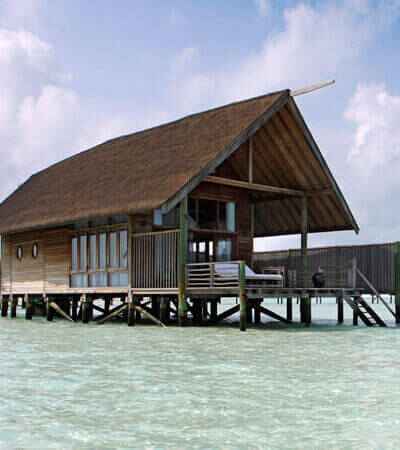
On the lovely island of Dhigurah in the South Ari Atoll in the Maldives, Boutique hotels in Maldives is a high-end, modern diving and family resort. We provide our visitors with a genuinely all-inclusive lodging and diving package, with the turquoise waters of the Indian Ocean, our own 2.5 km of white sand beach, and captivating sunsets as a backdrop. Enjoy a freshly prepared breakfast when you awaken from a wonderful night's sleep thanks to our chef. Before coming "home," the Boutique Beach guest support crew will welcome you to our rooftop terrace for freshly made fruit juice and a great meal. Spend your days diving, snorkelling, relaxing, or exploring and creating memories.
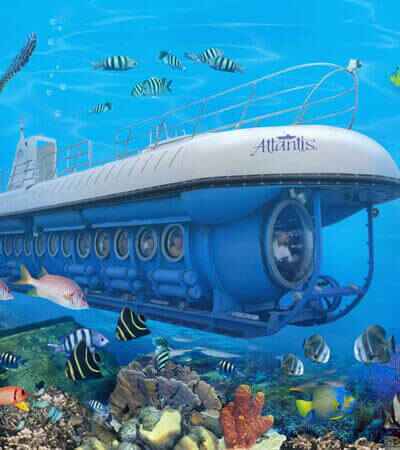 Related Resort
Best Activities in the Maldives - Beyond the Sun Lounger
The Maldives is not a passive destination. The reef systems, the open ocean, the channels between atolls, and the local island culture all offer experiences that have nothing to do with lying on a beach and for many visitors, these are the parts of the trip they remember longest.This guide covers the activities actually worth doing in the Maldives, what each one involves, and how to find the best version of each.Scuba DivingThe reefs of the Maldivian atolls are among the most biodiverse dive environments in the Indian Ocean. The combination of warm water, excellent visibility, strong tidal currents pushing nutrient-rich water through the atoll channels, and a marine protection policy that has kept the reefs in better condition than most comparable destinations creates diving conditions that are difficult to match elsewhere.The best diving in the Maldives requires knowing which atoll and which site suits the specific marine life being sought. Hammerhead sharks gather at Rasdhoo Atoll in the early morning. Manta rays feed at Hanifaru Bay in Baa Atoll from May through October. Whale sharks frequent the waters of South Ari Atoll year-round. Tiger sharks and thresher sharks are found at specific Fuvahmulah sites for experienced divers who know to look there.Dive centres at the better resorts operate to PADI standards, maintain well-serviced equipment, and employ guides who know the local sites intimately enough to put guests in the right position at the right moment in the current.Snorkelling the House ReefNot every extraordinary underwater encounter in the Maldives requires scuba certification. The house reef the coral reef running directly along the outer edge of a resort island is accessible by snorkelling from the beach or from a water villa deck ladder, and at the right resort it offers encounters with turtles, reef sharks, rays, and hundreds of reef fish species within minutes of entering the water.The quality of the house reef varies enormously between properties. Baros Maldives, W Maldives, and Gili Lankanfushi are consistently cited for strong house reef snorkelling accessible directly from the resort. Confirming house reef quality before choosing a property is worth the research investment if snorkelling access is a priority.Manta Ray EncountersBaa Atoll's Hanifaru Bay is a UNESCO Biosphere Reserve site and one of the world's most significant manta ray feeding aggregations. Between May and October, when the southwest monsoon pushes plankton-dense water into the bay, manta rays and occasionally whale sharks gather in numbers that produce encounters unlike anything available at most dive destinations.Snorkelling with mantas at Hanifaru does not require scuba certification. The mantas feed near the surface and are visible clearly from snorkelling depth. A half-day boat excursion from resorts in Baa Atoll covers the transfer to Hanifaru and back. The encounter itself swimming slowly above a group of large manta rays banking and rolling through the current is genuinely one of the most remarkable wildlife experiences available in ocean travel.Whale Shark SnorkellingSouth Ari Atoll has a resident population of whale sharks that produces year-round encounters not seasonal, not weather-dependent, but consistent enough that resorts in the area schedule daily excursions with a high success rate. Swimming alongside a whale shark the world's largest fish, slow-moving, completely indifferent to snorkellers, filtering plankton through a mouth wide enough to walk through is an experience that consistently ranks as the highlight of a Maldives trip for guests who do it.Sunset Dolphin CruiseSpinner dolphins are found throughout the Maldivian atolls and the evening hours as the sun descends and the water temperature shifts are when they tend to be most active near the surface. Sunset dolphin cruises from resort dhonis are a standard offering across most properties and one of the most reliably enjoyable activities in the Maldives. The combination of the low evening light, the dolphin activity, and the scale of the open ocean from a small traditional boat is genuinely difficult to replicate in any other context.SurfingThe Maldives has a legitimate surf culture built around the reef breaks that form along the outer edges of the southern atolls. The Chickens, Cokes, and Sultans breaks near North Male Atoll are the most accessible for visiting surfers, while Laamu Atoll in the south produces longer, more consistent waves for experienced surfers willing to travel further.Surf season in the Maldives aligns broadly with the southwest monsoon May through October when the swell consistency is highest. Several liveaboard dhoni operators run surf-focused itineraries that move between breaks across multiple atolls during this period.Island Hopping and Local Island VisitsVisiting an inhabited local Maldivian island by organised excursion or independently by public ferry gives access to a completely different experience from the resort environment. Local cafes serving short eats and sweet tea, fishing communities whose working boats line the jetty, mosques that anchor the rhythm of the day, markets selling dried tuna and fresh coconut this is the Maldives that the resort circuit does not show.The most visited local islands from North Male Atoll resorts are Male city, Maafushi, and Thulusdhoo. Each has a distinct character and each offers a genuinely valuable complement to the resort stay.Traditional Maldivian FishingNight fishing from a traditional dhoni is one of the more culturally authentic activities available at most resorts. The method handline fishing for snapper and grouper using illuminated lures in the dark water is the traditional Maldivian approach that has been used on these waters for centuries. Most guests catch something. The trip back to the resort, with the catch grilled by the kitchen and served as a late dinner, closes the experience in the most satisfying possible way.Water SportsThe calm internal lagoons of Maldivian resort islands are ideal conditions for most water sports kayaking, paddleboarding, windsurfing, catamaran sailing, and wake surfing are all offered at the majority of full-service resorts. Non-motorised water sports are frequently included in resort packages or all-inclusive plans. Jet skiing and motorised water sports are available as paid activities at most properties with a water sports centre.Spa and WellnessThe overwater spa a treatment room built on stilts above the lagoon is one of the most distinctive wellness offerings in global travel, and several Maldivian resorts have invested in spa facilities that match the setting with genuine programme quality. Anantara Kihavah's overwater spa, the Six Senses Spa at Laamu, and the Soneva Spa at Soneva Jani are among the most consistently recommended.Cultural vs Adventure ActivitiesCategoryActivityDurationAccessibilityUnique HighlightAdventureScuba/Snorkel reefs2–4 hrsBoat/beachSharks, mantas, reefs CulturalLocal island hoppingHalf-dayFerry/boatCafés, mosques, marketsWellnessOverwater spa1–2 hrsResortAnantara, Six Senses Water SportsKayak/Paddleboard1 hrLagoonFree non-motorized oftenTop Maldives Activities by Experience LevelActivityBest Atoll/SiteSeason PeakSkill LevelCost (USD, per person)Must-Do ResortsScuba DivingSouth Ari (whale sharks)Year-roundCertified100–200/diveBaros, Kuramathi House Reef SnorkelNorth Malé (Baros)Year-roundBeginnerFree/includedW Maldives, Gili LankanfushiManta EncountersBaa (Hanifaru Bay)May–OctSnorkel150–250 excursionVakkaru, Dusit Thani Whale Shark SwimSouth AriYear-roundSnorkel200–300InterContinental MaamunagauSurfingNorth Malé (Chickens)May–OctIntermediate+50–100/lessonLiveaboardsDolphin CruiseAny atollEveningsAll50–100Most resortsNight FishingResort lagoonsNightlyAll40–80, incl. dinnerSoneva Jani
 Related Resort
New Hotels Opened in the Maldives
The Maldives has always been the go-to bucket list destination. However, in 2026, the Maldives is going to witness a monumental shift from the traditional concept of "rustic chic" to the new concept of Hyper-Luxury and Integrated Wonderlands. The traditional turquoise waters have not changed. It is the experience that lies on top of that water that has been redefined. For those travelers who have "seen it all," the new resorts that are being opened in 2026 promise to bring something entirely unprecedented to the Maldives.The Shift to "Lifestyle Luxury"The "newest" favorites for 2026 are also heavily focused on brand-driven experiences. The arrival of legendary fashion and lifestyle brands like Bulgari Resort Ranfushi has brought a new level of sophisticated Italian glamour that was previously lacking in the Indian Ocean. These properties are now aimed at a new generation of high-net-worth travelers who require more than just a beach vacation—they require art, Michelin-starred dining, and a social scene that can compete with St. Tropez and Ibiza, yet still provides the utmost in privacy that the Maldives is renowned for.Why You Should Book a New Opening NowThere exists a strategic "sweet spot" for booking the newest resorts in the Maldives. In their Grand Opening phase (first 6 to 12 months), these resorts are providing very aggressive introductory pricing, which can be as much as 30% to 50% below their projected value. Additionally, these resorts are currently operating at maximum staff-to-guest ratios, meaning that your stay will be more personalized and attended to than ever will be when the resort reaches maximum capacity.
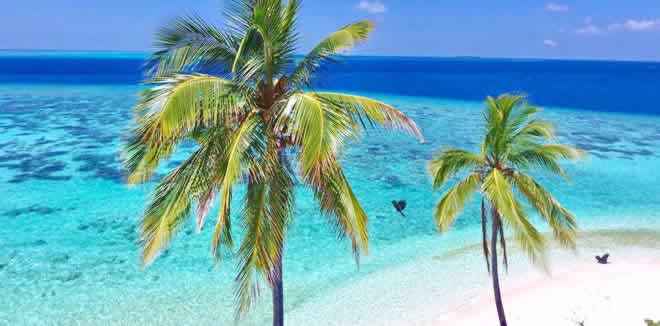 Related Resort
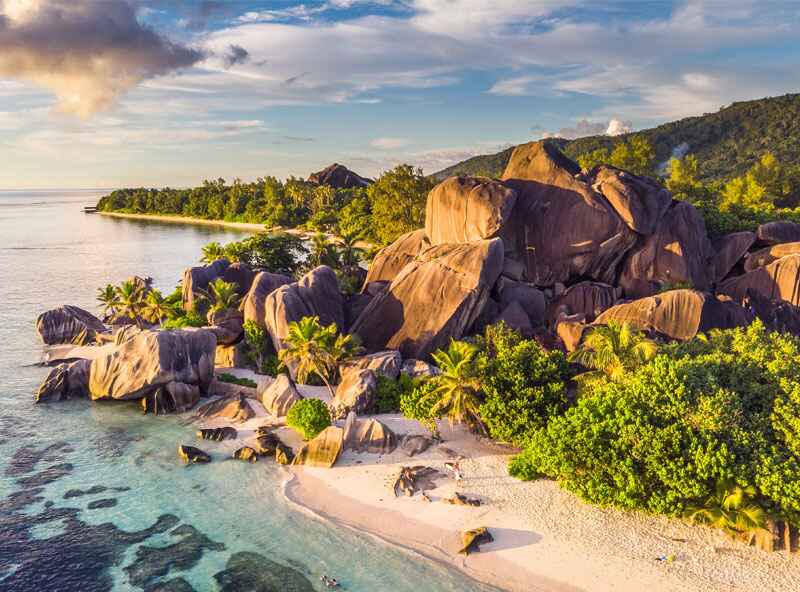 Related Resort
10 Local Islands with most Beautiful Beaches
The Maldives has over a 1000 best islands, therefore it might be challenging to decide which nearby islands are must-visit.There are both inhabited and deserted coral islands in the Maldives' low-lying archipelago. Among the finest choices you will likely make on your Maldivian vacation is to spend some time on a nearby island. You will learn so much, and it is reasonably priced. The stunning island country is home to a thriving culture, breathtaking natural beauty, and the kindest people you will ever encounter!The next question would naturally be, "Which Island should I choose?" The answer is difficult, but don't worry—we've made it simple for you by selecting the 10 Local Islands with most Beautiful Beaches in Maldives.