Activities in Maldives
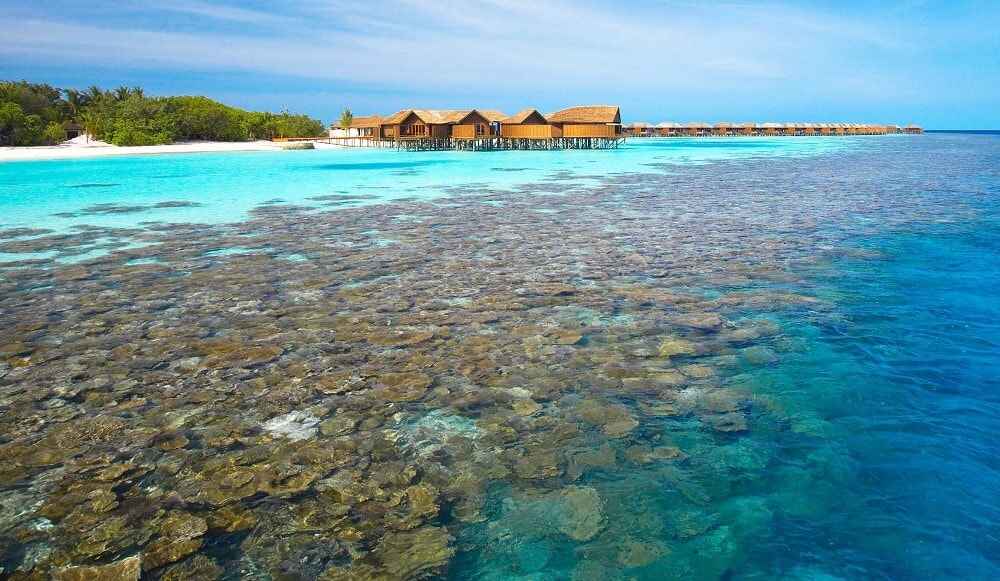
The Maldives is easy to romanticise. White sand, turquoise water, overwater villas. Most travel content stops there, as if the islands exist purely to be looked at. But the Maldives is also one of the most active destinations on the planet — a place where the ocean itself becomes the main event, and where the range of things to do is far wider than most visitors expect before they arrive.
Here is a straightforward guide to the ten activities worth building your trip around.
1. Scuba Diving
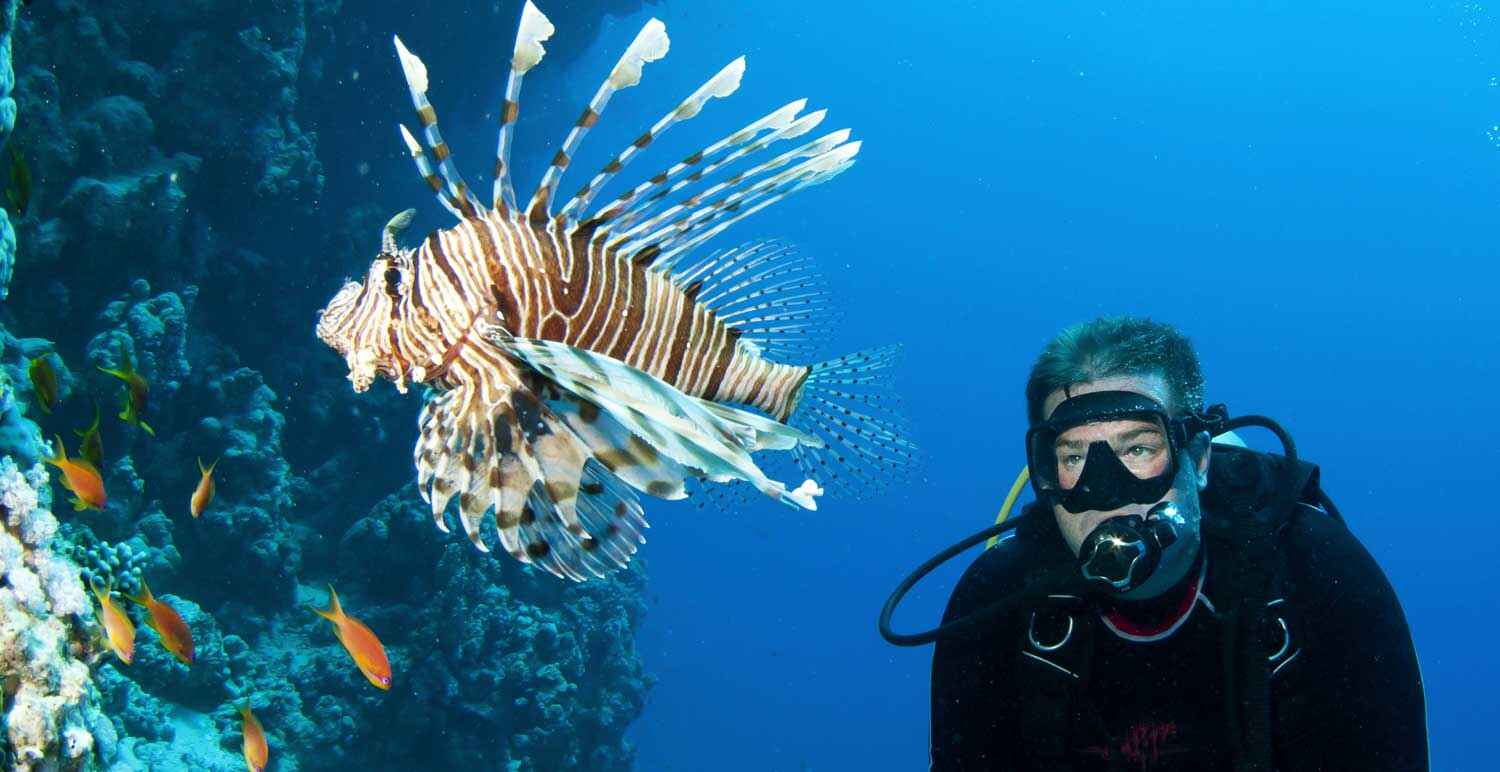
The underwater world of the Maldives is the real reason serious divers put this destination at the top of their list. The visibility is exceptional, the water temperature comfortable year-round, and the marine life astonishingly diverse. Manta rays, whale sharks, reef sharks, sea turtles, and enormous schools of reef fish are regular sightings rather than lucky encounters.
Maaya Thila in North Ari Atoll is one of the most celebrated dive sites in the country - a pinnacle reef rising from deeper water that attracts white-tip reef sharks in large numbers, particularly after dark. Whether someone is completing their very first open water dive or looking for challenging drift diving through deep channels, the Maldives consistently delivers. Dive centres are available at virtually every resort and at many local island operators, with full instruction and equipment hire included.
2. Snorkelling
Not every great underwater experience in the Maldives requires scuba equipment. The house reefs surrounding many islands — both resort and local — are accessible directly from the shore, and the marine life encountered at snorkelling depth is genuinely extraordinary. Turtles moving unhurriedly across the reef, blacktip reef sharks patrolling the sandy bottom, and dense formations of coral fish are everyday sights rather than exceptional ones.
Maafushi is particularly well regarded for accessible snorkelling, and excursions to nearby reef systems, sandbanks, and marine protected areas can be arranged easily from most accommodation. For families, budget travellers, and anyone who simply wants to spend an afternoon looking down into that water snorkelling in the Maldives is an experience that delivers every time.
3. Sunset Cruises
There is no shortage of beautiful sunsets in the world, but watching one from the deck of a traditional Maldivian dhoni, with nothing but open ocean in every direction, is a particular kind of experience. The sky here shifts through colours that feel almost theatrical — deep orange bleeding into pink, then purple, then a darkness full of stars.
Most resorts and guesthouses offer evening dhoni cruises, often combined with dolphin watching, which makes practical sense since spinner dolphins are most commonly spotted during the late afternoon. Even for visitors who have seen many sunsets in many places, this one tends to land differently.
4. Water Sports
The sheltered lagoons of the Maldives are well suited to almost every form of water sport, and most resorts have centres offering a wide selection. Jet skiing, wakeboarding, windsurfing, kayaking, stand-up paddleboarding, and parasailing are all widely available. The warm, calm conditions make these activities accessible to participants of all experience levels, and instruction is typically included.
For those who want more speed and energy on the water, jet skiing across a flat turquoise lagoon with a reef in the distance is one of those simple pleasures the Maldives does very well indeed.
5. Skydiving
For visitors who want a perspective on the Maldives that very few people ever see, tandem skydiving is available in the islands. The view from altitude — dozens of atolls scattered across the Indian Ocean, each one a ring of coral around a lagoon of impossible blue is unlike anything visible from sea level. It is an experience that reframes the geography of the place in a way that is difficult to achieve any other way. Operators offer tandem jumps with experienced instructors, making this accessible to first-time jumpers.
6. Dolphin Watching
Spinner dolphins are a near-constant presence in the waters of the Maldivian atolls, and dedicated dolphin watching excursions go out in the late afternoon when sightings are most reliable. Watching a large pod move alongside the boat — leaping, spinning, entirely indifferent to the observers — is one of those wildlife encounters that needs no embellishment. It is simply very good.
Many operators combine dolphin watching with a sunset cruise into a single evening excursion, which makes for an exceptionally satisfying few hours on the water.
7. Island Hopping
Staying on one island for an entire Maldives trip is a perfectly reasonable choice. But visitors who venture further tend to come home with a richer understanding of what the country actually is. Island hopping excursions typically combine uninhabited sandbank visits, local inhabited island stops, and snorkelling sites into a single day — offering a much broader picture of the archipelago than any one island can provide.
The sandbank visits deserve particular mention. These tiny slivers of white sand, barely above the waterline and surrounded entirely by ocean, have a quality of stillness that is genuinely unlike anywhere else. There is nothing to do there except stand in warm water and look around — which turns out to be entirely sufficient.
8. Banana Boat Rides and Jet Boarding
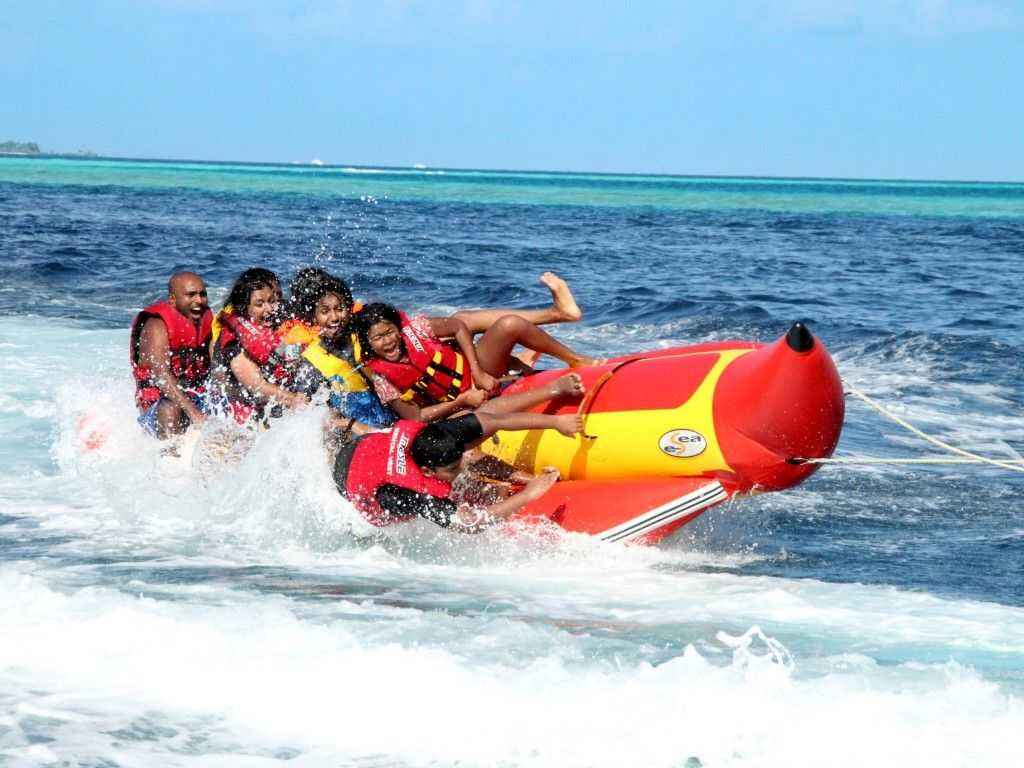
Not every activity in the Maldives needs to be profound. Banana boat rides — where a group of riders attempt to stay attached to an inflatable vessel being towed at speed across the lagoon — are reliably entertaining and widely available at resort water sports centres. They are particularly good for families and groups.
Jet boarding, which uses a powerful water jet to propel a board across the surface, appeals to those who enjoy testing their balance and coordination on the water. Both activities are available across most major resort islands.
9. Surfing
The Maldives has been a respected surfing destination for decades, built around the quality of the reef breaks scattered across the atolls. The surf season runs broadly from March through October when swells are most consistent, and the breaks around North and South Male Atoll - Lohis, Chickens, Cokes, Pasta Point — attract surfers of all levels. Several islands and resorts cater specifically to surfing travellers, offering direct access to the best breaks alongside equipment hire and instruction for beginners.
10. Fishing
Traditional Maldivian night fishing is one of those cultural experiences that sounds simple and turns out to be genuinely memorable. Local fishing technique uses only a hand line and a hook — no rod, no bait — and the method has been practised in these waters for generations. Evening fishing excursions take guests out after dark to try it, and the catch is typically brought back and prepared for dinner.
Big game fishing is also available for those who prefer a more active sport fishing experience, targeting species such as tuna, mahi-mahi, and barracuda in the deeper waters beyond the atolls.
What Else Is There
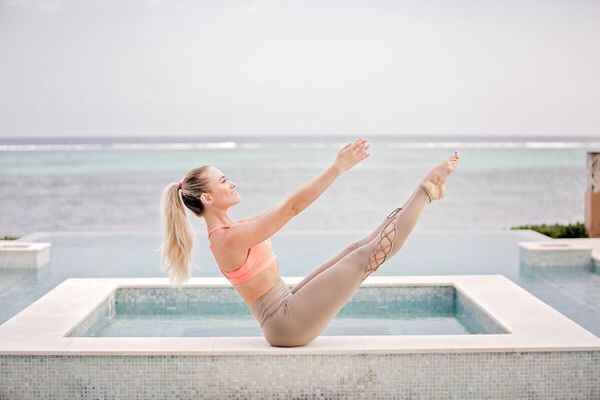
The ten activities above are a starting point, not a complete picture. Underwater walking, freediving, cooking classes in traditional Maldivian cuisine, spa treatments, yoga sessions over the lagoon, guided visits to local inhabited islands, and shopping for local crafts and shell jewellery all add depth to what is already a destination with more layers than most visitors initially expect.
The Maldives is at its best when approached with a degree of curiosity. The ocean is the obvious draw — but the more a visitor is willing to engage with it, and with the islands themselves, the more the place tends to give back.
Compare Live Rates & Exclusive Deals
Compare Live Rates & Exclusive Deals
Guides & Collections in Activities in Maldives

Top Things to Do in the Maldives
10 Extravagant Things to Do In Maldives
10 Best Sports Resorts in Maldives
10 Best Wellness Resorts In Maldives
10 Best Dive Resorts In Maldives
10 Things to Do When it Rains In Maldives
10 Things to Do in Male City In Maldives