Male City
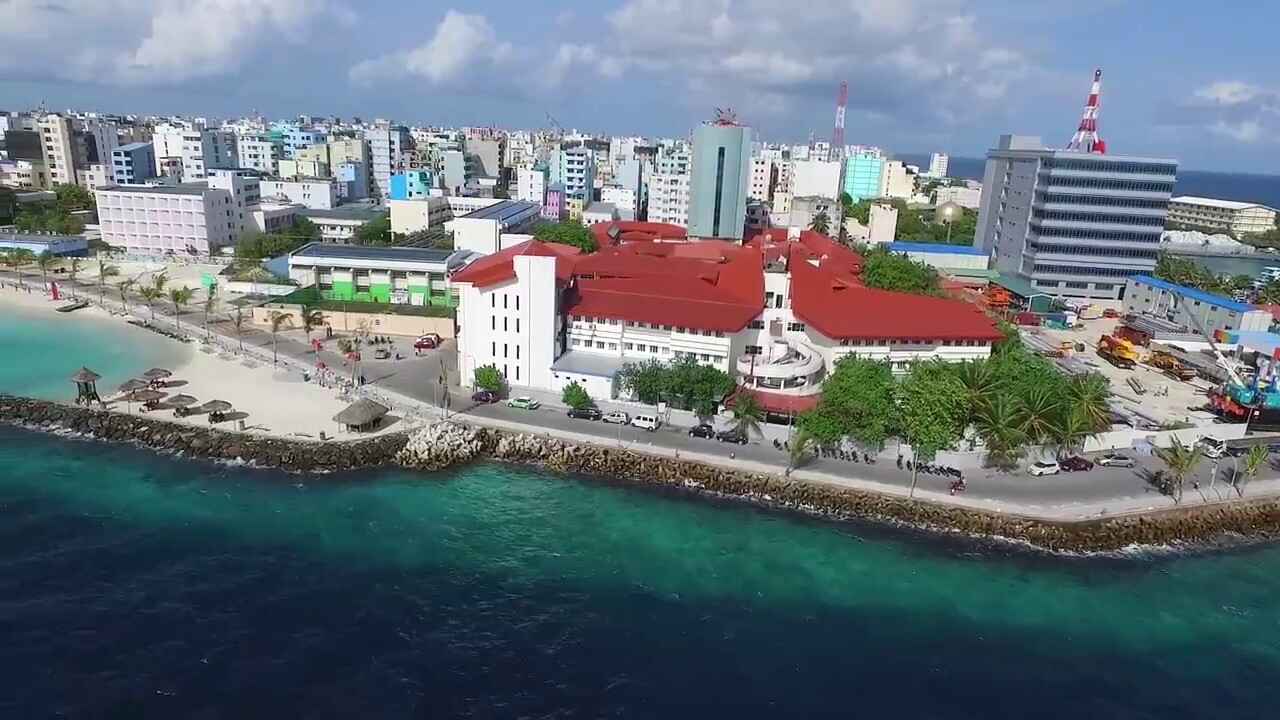
The ferry from Velana International Airport to Male takes ten minutes. It costs almost nothing. On the other side is a city of 200,000 people on two square kilometres of island one of the most densely packed places on earth and almost every resort guest who passes within sight of it never crosses.
That is a genuine miss.
Male is not a tourist destination in the conventional sense. There are no theme parks, no beach clubs, no infinity pools with a drinks menu. What there is: the oldest mosque in the country, a fish market that opens before sunrise, local cafes where the food costs a fraction of anything on a resort menu, a national museum with artifacts from a pre-Islamic Maldives that most visitors do not know existed, and the actual daily life of a functioning Maldivian city that no resort island can replicate.
Half a day here changes how the rest of the trip feels.
Getting to Male
From any North or South Male Atoll resort, ask the resort to arrange a speedboat to the Male jetty most can do this. Alternatively, take the resort transfer to the airport island and catch the public ferry from there to Male. The ferry runs throughout the day, takes ten minutes, and costs almost nothing.
Speedboat taxis from the airport operate around the clock for guests arriving late or departing early.
The Sinamale Bridge connects the airport island to Hulhumale by road. From Hulhumale, a ferry crosses to Male. This route works well for guests with luggage or groups.
Male Must-Visits by Time
| Time Slot | Priority Stop | Experience Highlights | Duration |
|---|---|---|---|
| 7-9am | Fish Market | Tuna auction, crow calls, dawn light | 45min |
| 9-10am | Hukuru Miskiy (1658) | Coral stone calligraphy, sultan tombs | 30min |
| 10-11am | National Museum | Pre-Islamic Buddhist artifacts | 45min |
| Lunch (12pm) | Harbour Cafés | Short eats (bajiyaa, gulha) | 30min |
| Afternoon | Grand Friday Mosque | Largest mosque, gold dome | 20min |
| Evening | Artificial Beach | Local families, football, sunset | 1hr |
Hukuru Miskiy - The Friday Mosque
Built in 1658 from coral limestone cut directly from the surrounding reef, Hukuru Miskiy is the oldest mosque in the Maldives. The exterior walls are covered in Arabic calligraphic inscriptions and geometric patterns carved by hand into the coral stone work of a density and precision that is genuinely impressive when seen up close rather than in photographs.
The adjacent cemetery holds the tombs of Maldivian sultans. The headstones carry Thaana inscriptions the Maldivian script that runs right to left and is still used on government documents and signage across the country today.
Non-Muslims cannot enter the mosque interior. The exterior, the cemetery, and the surrounding grounds are open and worth 30 to 45 minutes of unhurried attention.
The mosque sits in the oldest part of the city, a short walk from the main ferry jetty. The streets around it are narrower and quieter than the commercial areas and give the most intact picture of how the older city was built.
The National Museum
The National Museum holds the country's most significant collection of pre-Islamic artifacts. Before 1153 AD before the Maldives converted to Islam the islands were a Buddhist society. The carved stone stupas, figurative objects, and ceremonial pieces in this collection are the physical evidence of that earlier culture.
The museum also has royal regalia from the sultanate period, historical weapons, coins, and manuscripts from centuries of Indian Ocean trade. The building is modest. The collection inside is not.
Most visitors to the Maldives have no idea the country had a Buddhist period. An hour here changes that.
The Fish Market
The fish market on the Male waterfront is best before 7am. The tuna catches come in from overnight trips and are sold from concrete floors at speed buyers and sellers transacting in the practiced shorthand of a market that runs identically every morning. The smell of fresh fish and salt water and outboard engines. Crows working the edges. The light still low across the harbour.
By mid-morning the best fish is gone and the activity has slowed. If the fish market is on the list, plan the visit around the early morning rather than fitting it in later in the day.
Local Cafes and Short Eats
The most direct cultural food experience available in the Maldives costs under USD 5 and is found at café counters in the streets near the Male harbour.
Maldivian short eats hedhikaa are small fried snacks that form the backbone of everyday cafe culture across the inhabited islands. Bajiyaa are tuna pastries, crisp outside and filled with smoked tuna, coconut, and chilli inside. Gulha are tuna balls with a denser, slightly sweeter filling. Keemia are fried tuna rolls. Kavaabu are spiced fish cakes. All served warm from the fryer alongside glasses of sweet black tea or condensed milk tea.
These are not resort approximations of Maldivian food. This is the actual thing, made daily, eaten by the people who live and work in the city.
The cafes closest to the harbour and along the commercial streets are where to go. Avoid anywhere with a printed English menu displayed specifically for tourists the best cafes don't need one.
The Grand Friday Mosque
The Islamic Centre opened in 1984. Its gold dome is visible from the airport ferry before the city itself comes into view. The surrounding grounds are open to visitors. Standing in front of the building makes the centrality of Islam to Maldivian public life immediately apparent in a way that reading about it does not.
The Male Waterfront
The reclaimed waterfront areas in the north of the city include a public park and beach the Artificial Beach where local residents gather in the evenings. Families, teenagers, men fishing from the embankment edge, football on the sand.
Walking the full waterfront from the ferry jetty around the northern shore takes about 20 minutes and gives two views simultaneously: the open channel toward the airport on one side, and the Male skyline on the other apartment towers stacked on an island that was a fraction of its current size two generations ago.
Shopping in Male
Majeedhee Magu is the main commercial street local shops, souvenir stalls, general goods. The local market near the harbour sells dried tuna, coconut products, fresh produce, and craft items at prices that make the resort gift shop comparison stark.
For genuine Maldivian craft souvenirs lacquerwork boxes, miniature dhoni models, woven Thundu Kunaa mats the market and dedicated craft shops in the commercial area are the right place. The same categories at resort boutiques cost significantly more.
Male vs Resort Life
| Factor | Malé City | Resort Atolls |
|---|---|---|
| Access | 10min ferry | Speedboat/seaplane |
| Density | 200K on 2km² | 100-500 guests/island |
| Culture | Fish market + mosques | Poolside service |
| Food | Short eats ($1-3) | À la carte ($50+) |
| History | 1658 coral mosque | Modern resorts |
Practical Notes
Dress modestly. Male is a working Muslim capital. Cover shoulders and knees in the public streets, near mosques, and in the market areas. Beach attire is not appropriate outside specifically designated tourist areas.
Plan around prayer times. Shops close briefly for prayer particularly around midday on Fridays. If specific shops or cafés are on the list, build flexibility into the timing.
The best morning structure: Arrive before 7am for the fish market. Walk to the mosque and museum from 9am. Cafe stop mid-morning near the harbour. Waterfront and shopping in the afternoon. Ferry back before the evening.
Friday is different. The local market is busiest on Fridays widest selection, most activity. The commercial streets are quieter around the Friday midday prayer.