Find the Best Offers !

Maldives Atolls Travel Guide

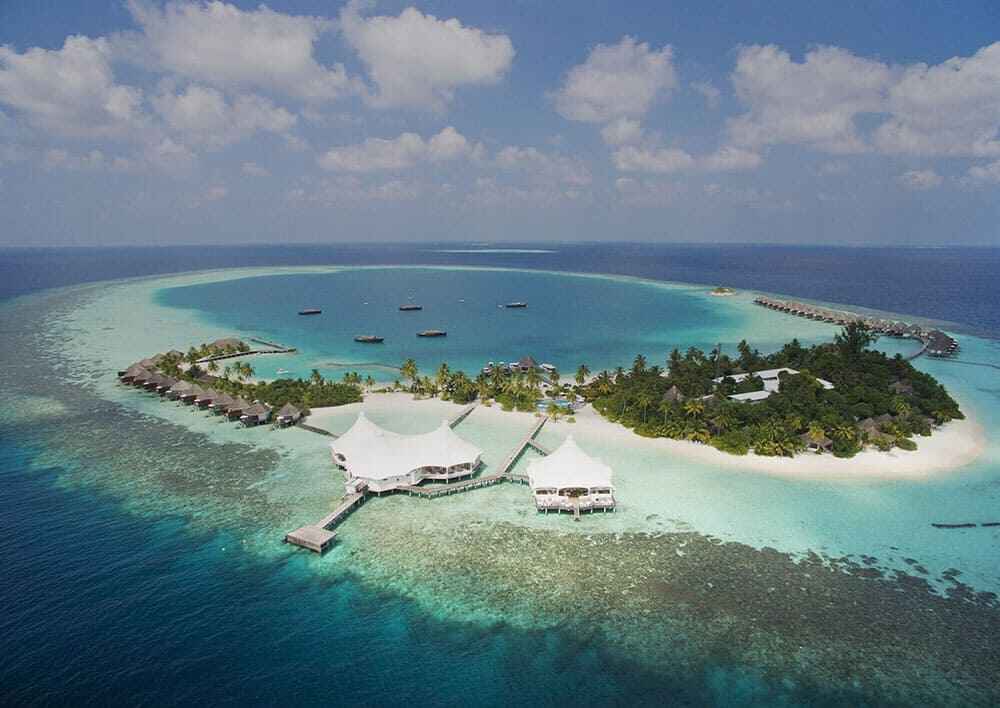
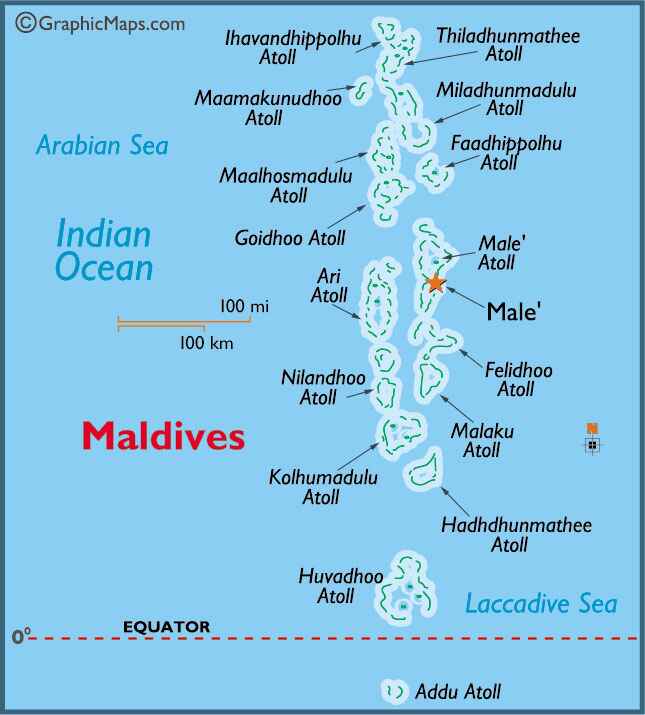
The best atoll to stay in Maldives are a gorgeous tropical paradise with 1,192 islands, white sand beaches, and turquoise oceans that span the Indian Ocean between Sri Lanka and the equator. The Maldives are made up of 26 coral atolls. The 1,192 islands that make up the 1,192 natural atolls that originally were isolated reefs have shaped the Maldives.

The northernmost atoll is Haa Alifu, and the is Addu (Seenu). The smallest atoll in the Maldives is called Gnaviyani. Gaafu Alifu is the biggest atoll on the planet and the biggest island in the Maldives archipelago. There are different types of islands in every atoll, including inhabited, unoccupied, and vacation islands. Due to the wide variety of lodging options and convenient boat access from the Male airport, the Kaafu atoll, which is made up of the South Male and North Male Atolls, is the most popular destination to stay. Other islands require an exchange via aircraft.

Atolls near Male Airport


Why Location Matters More Than You Think

One of the most important - and most misunderstood - decisions in planning a Maldives holiday is where your resort actually sits. The Maldives stretches for over 800 kilometres from north to south. A resort in the far north and a resort near Male Airport are both 'in the Maldives', but the experience of getting there is entirely different.

Resorts near Male Airport are reached by speedboat - no seaplane, no overnight stay in Male because your flight landed after dark, no additional transfer cost of USD 300–600 per person. You land at Velana International Airport, walk through arrivals, step onto a waiting speedboat, and within 20 to 90 minutes you are on your island. The engine cuts. The silence arrives. You are here.

That simplicity is genuinely valuable - especially for first-time visitors, families with children, guests on shorter stays, and anyone who has had a long-haul flight and simply wants to reach their paradise without further complication.

The atolls covered in this guide - North Male, South Male, Ari (Alifu), Rasdhoo, and Vaavu - are all accessible by speedboat from Velana International Airport. Each has its own character, its own marine environment, and its own reasons to choose it. Here is what you need to know about each one.

Quick Reference – Speedboat Transfer Times from Velana Airport:

North Male Atoll – 20 to 45 minutes

South Male Atoll – 30 to 60 minutes

Ari (Alifu) Atoll – 25 to 40 minutes by seaplane OR via domestic flight + speedboat (some resorts also offer direct speedboat from Male, 90+ mins)

Rasdhoo (Rasdu) Atoll – 25 to 35 minutes by speedboat

Vaavu Atoll – 45 to 75 minutes by speedboat

North Male Atoll – The Most Accessible Luxury in the Maldives

North Male Atoll is where most people begin their Maldives story, and for good reason. It is the closest atoll to Velana International Airport, with speedboat transfer times ranging from just 20 minutes at the nearest resorts to around 45 minutes at the furthest. There are no seaplanes, no overnight logistics, no need to check sunset schedules or worry about late-night arrivals.

The atoll wraps around the capital island of Male and the airport island of Hulhumale in a loose ring of private resort islands, local inhabited islands, and open ocean channels. It is the most densely developed resort atoll in the Maldives - which means the widest range of choice, the most competitive pricing, and the greatest variety of experiences within a short transfer window.

What North Male Atoll Offers

The house reefs of North Male Atoll are not the most pristine in the Maldives - years of resort development and boat traffic take a toll — but the better resorts have genuinely healthy reef systems with strong coral cover and reliable marine life sightings. Sea turtles, reef sharks, eagle rays, and dense schools of fish are common encounters. The diving is solid rather than spectacular, with the channel dives in Kaafu Atoll (which includes North Male) being particularly well-regarded among experienced divers.

The atoll's primary advantage is time. A traveller with five days in the Maldives who chooses a North Male resort spends genuinely more of those five days in the water and on the beach than someone who spends half a day on seaplane logistics. For shorter holidays, this matters more than almost any other factor.

Who Should Choose North Male Atoll

First-time visitors who want the quintessential Maldives experience with minimum travel complexity

Short-stay guests (3–5 nights) who cannot afford seaplane delays

Budget-conscious travellers — the range of resort options here includes genuinely affordable properties

Guests arriving on late-night flights who want to reach their resort without an overnight Male stay

Families with young children for whom a long transfer day would be stressful

Notable resorts: VARU by Atmosphere, Kagi Maldives Spa Island, Baros Maldives, Anantara Kihavah (Baa Atoll is not North Male, but accessible via Baa Atoll seaplane — for North Male specifically: VARU, Kagi, Baros, Four Seasons Kuda Huraa.

South Male Atoll – Wilder Water, Quieter Islands

Cross the Vaadhoo Channel south of Male and you enter South Male Atoll — a quieter, less densely developed version of its northern neighbour, with some of the finest channel diving accessible by speedboat from the airport.

The Vaadhoo Channel itself is famous for two things: strong currents that attract large pelagic fish, sharks, and mantas on drift dives, and the bioluminescence phenomenon that causes the shoreline to glow blue at night when plankton are disturbed by the water. The glowing beach is one of those things that sounds too beautiful to be real and then is, in fact, exactly as beautiful as described. Not every evening and not at every point on the atoll, but when the conditions align, it is unforgettable.

What South Male Atoll Offers

South Male Atoll has fewer resorts than North Male, which means the islands feel less crowded and the dive sites are less trafficked. The house reef quality varies by resort, but the best properties here have strong reef systems with good coral health. The channel diving - particularly at dive sites like Guraidhoo Corner and Kandooma Thila - is among the best available by speedboat from the airport anywhere in the Maldives.

Transfer times from Velana Airport range from 30 to 60 minutes by speedboat, placing it at the outer edge of convenient speedboat access but still within reach without seaplane logistics.

Who Should Choose South Male Atoll

Divers who want strong channel and reef diving accessible by speedboat

Guests who want the speedboat convenience of the central atolls but a quieter, less touristy atmosphere

Snorkellers - the house reefs at the best South Male resorts are excellent

Anyone hoping to witness the bioluminescent beach phenomenon (seasonal and location-dependent)

Ari Atoll (Alifu) – Whale Sharks, Mantas, and Year-Round Magic

Ari Atoll sits to the west of Male and is, for marine life enthusiasts, one of the most compelling resort destinations in the entire Maldives. South Ari Atoll in particular is the best place in the country - and one of the best in the world — for year-round whale shark encounters. These animals aggregate around the southern point of the atoll throughout the year, drawn by food-rich waters, and the chance to snorkel alongside a twelve-metre whale shark is not a rare event here - it is a routine afternoon activity.

Ari is also home to some of the best manta ray sites in the Maldives, with cleaning stations at several dive sites where mantas return reliably to have parasites removed by small fish. Watching a manta hang motionless above a cleaning station while reef fish attend to it is one of the most quietly extraordinary things a diver can see.

Getting to Ari Atoll

Access to Ari Atoll is by seaplane (approximately 25–35 minutes) or by domestic flight to Maamigili Airport in South Ari Atoll, followed by a short speedboat transfer. The domestic flight option operates year-round and avoids the daylight-only restriction of seaplanes, making it a practical choice for guests arriving on evening flights who want to reach their island the same day. A handful of resorts in North Ari Atoll are accessible by direct speedboat from Male (approximately 90–120 minutes), though this is less common.

Who Should Choose Ari Atoll

Divers and snorkellers for whom marine life quality is the priority

Anyone who specifically wants to swim with whale sharks - Ari is the most reliable location in the Maldives for this

Guests happy to use the domestic flight option as an alternative to seaplane logistics

Experienced Maldives visitors seeking a step up in marine environment from the central atolls

Rasdhoo Atoll – Small, Genuine, and Surprisingly Special

Rasdhoo (also written Rasdu) is a small, circular atoll sitting between North Male and Ari Atoll, reachable by speedboat from Velana Airport in approximately 25–35 minutes. It is often overlooked in favour of its larger neighbours, which is part of what makes it appealing.

The atoll has a small number of resorts and the inhabited island of Rasdhoo itself - a genuine Maldivian local island where travellers can wander the narrow streets, visit the local harbour, and get a sense of how the 5,000 or so Maldivians who do not live in Male or work in resorts actually live their daily lives. For guests interested in the human geography of the Maldives alongside its natural beauty, a day trip from a nearby resort to Rasdhoo island is one of the more authentic experiences available in this part of the country.

Rasdhoo is also known among divers for hammerhead shark encounters in the early morning at specific dive sites - an experience that draws dedicated divers to resorts in this atoll who might otherwise choose larger, better-known locations.

Who Should Choose Rasdhoo Atoll

Guests interested in combining resort luxury with genuine local island culture

Divers seeking hammerhead shark encounters

Travellers on shorter stays who want quick access from the airport

Those looking for a quieter, less commercial atoll atmosphere

Vaavu Atoll – For Divers Who Know What They Want

Vaavu Atoll sits southeast of Male and is accessed by speedboat in approximately 45 to 75 minutes from the airport - at the outer edge of practical speedboat range, but still avoiding seaplane logistics. It is the least commercially developed of the accessible central atolls, with a small number of resorts and a far higher ratio of unexplored dive sites to visiting divers than the atolls closer to Male.

The diving in Vaavu is widely regarded as among the best accessible from Male by speedboat. The Felidhoo Channel - one of the atoll's signature dive sites - produces reliable encounters with grey reef sharks, eagle rays, tuna, and on good days, hammerheads. The current here can be strong, making it more suitable for intermediate and experienced divers than for beginners, but those with the experience to handle it are rewarded with the kind of dive that people fly to the Maldives specifically to do.

Vaavu's inhabited islands - particularly Felidhoo and Fulidhoo - are among the most authentic local communities accessible from Male without a domestic flight. Fulidhoo in particular has developed a modest guesthouse scene for budget travellers willing to explore beyond the resort model.

Who Should Choose Vaavu Atoll

Intermediate to experienced divers who want exceptional channel diving without seaplane logistics

Guests seeking a quieter, less crowded atoll atmosphere with fewer resort boats on the sites

Independent travellers interested in local island culture alongside resort access

Guests who are happy with a slightly longer speedboat transfer in exchange for better marine environments

Male City – Worth a Few Hours of Your Time

Male is the capital of the Maldives and, at just two square kilometres, one of the most densely populated cities on earth. Most visitors see it only as a transit point - the place where you land and wait for your speedboat. That is understandable, but it sells the city short.

If you arrive on an early flight and your speedboat does not depart until afternoon, or if you are breaking your trip in Male at either end, the city rewards a few hours of wandering. The fish market at the northern end of the island operates daily from early morning, and the sight of fishermen unloading tuna - the backbone of the Maldivian economy and diet for centuries - is as vivid an introduction to local life as anything you will find at a resort. The Friday Mosque, built in 1656 from coral stone, is the oldest mosque in the Maldives and one of the most architecturally striking buildings in the country. The local cafes and short-eat shops serve the tea and tuna snacks that Maldivians eat throughout the day - cheap, delicious, and a good reminder that the archipelago has a food culture that predates the resort model by several hundred years.

If you are staying overnight in Male between flights, Hulhumale - the reclaimed island directly adjacent to the airport - offers a cleaner, calmer alternative to the city itself, with hotels, restaurants, and a long beach popular with local families in the evenings.

How to Choose the Right Atoll for Your Trip

The honest answer is that no single atoll is objectively 'the best'. The right choice depends on what you are coming to the Maldives to do, how much time you have, and how much the logistics matter to you.

If your priority is ease and no complications:

North Male Atoll. Fastest transfer, widest resort choice, no seaplane required, available at any hour.

If your priority is exceptional diving accessible by speedboat:

South Male Atoll for channel diving, Vaavu Atoll for serious drift diving, or Ari Atoll via domestic flight for whale sharks and mantas.

If you want local culture alongside resort luxury:

Rasdhoo or Vaavu offer inhabited islands worth visiting within easy reach of resort accommodation.

If you are bringing children:

North Male or South Male - shortest transfers, calm lagoons, best Kids Club options.

If this is your second or third Maldives trip:

Consider Vaavu or Ari. The marine environments are more rewarding for experienced visitors who have already done the accessible central atoll experience.

The Maldives Starts the Moment You Land

There is something about the speedboat transfer from Male airport that still manages to be exciting however many times you have done it. The boat accelerates out of the harbour, the city recedes behind you, and within a few minutes you are crossing open ocean with nothing visible in any direction except water and sky and the occasional coconut palm horizon of an island you are not going to.

The atolls near Male Airport give you that experience without the full overhead of a seaplane journey. For most travellers - especially those visiting for the first time - that is the right choice. The distance between the airport and paradise turns out to be surprisingly short. Which is, ultimately, one of the best things about the Maldives.

Northern Atolls


The further north you travel through the Maldives, the more the landscape changes. The crowds thin, the pace slows, and the atolls take on a character that feels distinctly different from the well-trodden resort islands near the capital. The northern atolls are more remote, more culturally rich, and for those willing to travel a little further, genuinely rewarding in ways that closer destinations cannot always match.

A Region Shaped by History and Geography

The northern atolls sit closer to India than to the rest of the Maldives, and that proximity has shaped them in ways that are still visible today. It is widely believed that Buddhism - which was the dominant religion in the Maldives until the twelfth century - first arrived in these northern islands from southern India. The Maldivian language, Dhivehi, which carries Indo-Iranian roots alongside Arabic influences, is thought to have developed and evolved in this northern region before spreading southward through the archipelago.

This history gives the northern atolls a cultural depth that goes beyond the natural beauty of the islands themselves. The local communities here have a strong sense of identity and a long relationship with the sea that predates the tourism industry by many centuries.

The Northern Atolls at a Glance

The northern region of the Maldives covers seven atolls, each with its own distinct character, marine environment, and appeal to visitors.

Baa Atoll is the most internationally recognised of the northern atolls, designated as a UNESCO Biosphere Reserve in recognition of its extraordinary marine biodiversity. Hanifaru Bay, located within Baa Atoll, is one of the most celebrated marine sites in the entire Indian Ocean - a sheltered bay where manta rays and whale sharks gather in large numbers during the monsoon season to feed on the rich concentrations of plankton. Snorkelling and diving in Baa Atoll is a genuinely world-class experience, and the resorts here reflect that with strong dive and marine programmes.

Lhaviyani Atoll has a well-established reputation among divers for the quality and variety of its underwater sites. The atoll is home to healthy coral formations, diverse reef fish populations, and regular sightings of larger pelagic species. Several well-regarded resorts operate here, catering to visitors who prioritise underwater experiences alongside comfortable accommodation.

Raa Atoll, also known as North Maalhosmadulu Atoll, is one of the largest atolls in the Maldives by area. It has its own domestic airport, making access from Male straightforward without the need for a lengthy seaplane transfer. The atoll contains a mix of resort islands and inhabited local islands, offering visitors the choice between luxury resort stays and more culturally immersive guesthouse accommodation.

Noonu Atoll sits to the northeast and has developed a growing resort presence in recent years. The diving here is considered excellent and the relative remoteness of the atoll means that visitor numbers remain lower than in the more accessible central atolls. For travellers seeking genuine seclusion and uncrowded reefs, Noonu is worth serious consideration.

Shaviyani Atoll is less developed for tourism than its neighbours but is notable for its exceptional diving, with silvertip sharks, grey reef sharks, and Napoleon wrasse among the regular sightings. The marine environment here is in excellent condition, partly as a result of lower fishing pressure and fewer visitors than the central atolls receive.

Haa Dhaalu Atoll offers something different from the typical Maldives resort experience. This is one of the more culturally authentic parts of the country, with inhabited islands that have retained strong local traditions and a way of life that has not been significantly shaped by tourism. Visitors here encounter a Maldives that feels genuinely lived in - fishing boats, local markets, traditional architecture, and communities with their own distinct character.

Haa Alif Atoll is the northernmost atoll in the country and among the most historically significant. The island of Ihavandhu, located within this atoll, is believed to be the point at which Buddhism first entered the Maldives. The atoll sits at the very top of the archipelago and has a remoteness that appeals to travellers who want to reach the edges of the country. The marine environment is largely pristine and the diving, particularly around the outer reefs, is considered outstanding.

Surfing in the Northern Atolls

When serious surfers think about the Maldives, the northern atolls - particularly North and South Male  Atoll - are where their attention focuses. These atolls were first discovered by surf travellers in the 1970s when shipwrecked sailors stumbled upon breaks that had never been ridden. The waves are still there, essentially unchanged, and the northern atolls now occupy a firm place in the global surf calendar.

The breaks in the North Male Atoll include some of the most well-known names in Maldivian surfing - Pasta Point, Chickens, Cokes, Lohis, Kings, Ninjas, and Escapes are all located here. The South Male Atoll offers its own collection of quality breaks, closer to Hulhumale Airport and generally less crowded than the north. Both atolls offer a mix of left and right-hand breaks, with waves typically running between two and eight feet during the spring and summer months and the largest swells arriving in late summer.

The North Male Atoll is generally considered to produce the longest rides, with both left and right-handers regularly extending beyond 100 metres. Numerous surf charters and boat trips operate throughout the northern atolls, allowing surfers to chase the best conditions across multiple breaks during a single trip.

Getting to the Northern Atolls

Reaching the northern atolls requires more planning than booking a resort close to Male, but the logistics are manageable and the journey itself is part of the experience.

Domestic flights connect Male to airports in Raa Atoll, Noonu Atoll, Haa Dhaalu Atoll, and other northern locations. These flights are short - typically 30 to 50 minutes - and give passengers a remarkable aerial view of the atoll chains stretching northward across the ocean. Seaplane transfers are available for some northern resort islands, and speedboat connections operate between inhabited islands and domestic airport hubs.

Public ferry services also reach the northern atolls, though journey times from Male are considerably longer than flying. For budget travellers staying on local islands, ferries are the practical and affordable option.

Who the Northern Atolls Are Right For

The northern atolls reward travellers who come with a genuine curiosity about the Maldives rather than just its famous visual identity. Divers looking for uncrowded, high-quality reefs. Surfers chasing consistent breaks without the crowds of more accessible locations. Travellers interested in Maldivian history and culture. Wildlife enthusiasts hoping to see manta rays and whale sharks in their natural feeding environment.

The distance from Male means transfers take longer and cost more than for the central atolls. For visitors on short trips, that may be a meaningful consideration. But for those with the time to make the journey, the northern atolls deliver an experience that sits apart from anything the more accessible parts of the country can offer - quieter, more authentic, and genuinely harder to find elsewhere.

Southern Atolls


Huvadhoo and Addu Atolls (alluded frequently as the Southern Atolls) are situated in the most southern part of the Maldives, which surfers are ceaselessly helped to remember when they show up upon void surf break after void surf break. In spite of the fact that it may not be totally deserted, less surf boats and ride sanctions work around here, prompting even the most well known spots around here to be less packed than the Northern Atolls. Of all the Maldives surf recognizes, the breaks in the Southern Atolls stay among the most disconnected and charming, safeguarding the truth of a far off island heaven that comes total with mind blowing waves.

Huvadhoo Atoll is most popular for Reference points, Castaways, and Tiger Stripes, while Addu Atoll's champion spots incorporate Methodology Lights, Madihera and Shangri-la. Reference points and Tiger Stripes are promoted as two of the most impressive waves in the Maldives, hurdling down quick and hard on to a bordered a shockingly shallow reef — a typical component of southern surf spots.

Albeit these waves will generally be more modest than a portion of the more northerly atolls, the south-bound shore truly frees the splits up toward the southern enlarges that flood the region in the mid year. Since a clean southern swell is pretty much all you could want at these breaks, the outcome is waves with a lot of force and stacks of chances to get shacked. These southerly atolls vary from the northerly atolls in not giving impeccably formed or delicate breaking waves. These waves break quick and toss hard, with a ton of force — likely most ideal for cutting edge surfers or if nothing else trying intermediates. The waves you can find in Southern Atolls are the sort of waves you continue to remember days, weeks, and months after your Maldives surf trip has reached a conclusion.