
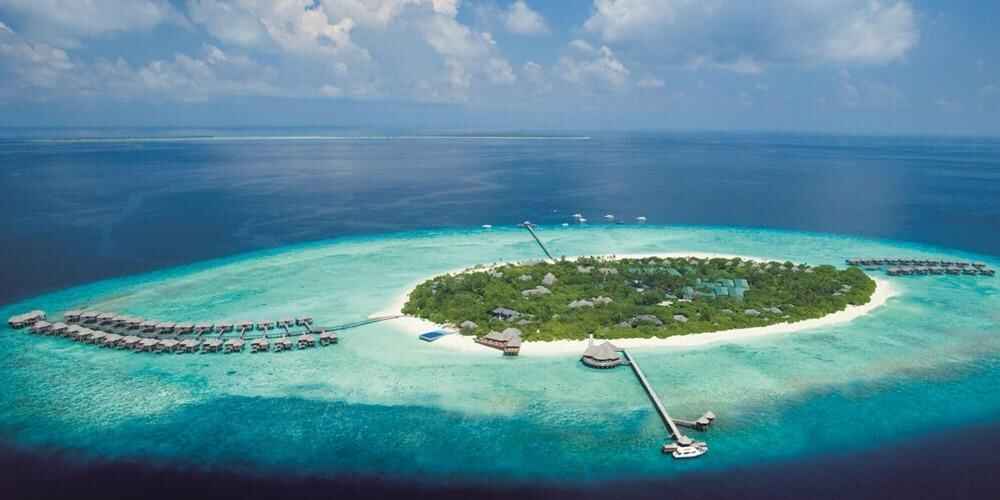
Haa Alif Atoll - The Maldives at Its Most Remote and Most Authentic
Haa Alif Atoll is the northernmost administrative atoll in the Maldives. It sits closer to the southern tip of India than to the central atolls near Male, and the cultural, historical, and geographical character of this part of the archipelago reflects that position a distinct northern Maldivian identity shaped by centuries of relative isolation and a trade route position that brought influences from the Indian subcontinent, the Arab world, and East Africa.
Almost no resort-circuit visitors reach Haa Alif. The infrastructure for international tourism is minimal. There are no seaplane-only luxury resorts, no five-star overwater villa developments in the established sense. What there is for travellers prepared to make the longer journey is some of the most undisturbed reef environment in the Maldives, traditional island communities that have not been calibrated to tourist expectations, and a specific historical depth that makes the far north of the Maldives genuinely worth the effort of reaching.
The Geography
Haa Alif Atoll also known as North Thiladhunmathi Atoll is a large administrative division in the far northern Maldives. The atoll's capital is Dhidhdhoo, a compact island with local government facilities and a small commercial sector. The atoll has numerous inhabited islands spread across a significant area of the northern Indian Ocean, each with a distinct community character.
Ihavandhoo island in Haa Alif is historically significant beyond its geography. It is believed to be the point at which Islam first arrived in the Maldives in 1153 AD the location where the Arab missionary Abu al-Barakat Yusuf al-Barbari is said to have landed and converted the Maldivian king. Whether the specific historical account is precisely accurate is a matter of scholarly discussion, but the northern atolls' position on the Arab trade routes makes the broad historical context entirely credible. The island carries this historical identity and the awareness of it adds a layer to any visit.
Uligamu island is the northernmost inhabited island in the Maldives, the last community before the ocean stretches uninterrupted northward toward the Indian subcontinent. It maintains a small guesthouse sector and gives independent travellers the most extreme northern access point in the Maldivian island chain.
The Marine Environment
The reefs of Haa Alif Atoll are in better condition than those of the central atolls simply because they receive a fraction of the boat traffic and diver pressure that the more visited parts of the country experience daily. Coral coverage is extensive. Fish populations are dense. The channel dives produce encounters with grey reef sharks, eagle rays, and large pelagic species in conditions that dive operators on northern liveaboard itineraries consistently describe as among the best in the country.
The seasonal patterns in this part of the Maldives differ slightly from the central atolls. The northeast monsoon reaches the northern atolls first and leaves last. The southwest monsoon's effect on the northern reefs is different from its impact in the central and southern atolls understanding the seasonal diving conditions for the specific planned travel dates requires consulting operators who work specifically in the northern Maldives rather than applying central atoll seasonal generalizations.
Haa Alif Atoll — The Final Frontier
| Experience Priority | Why Haa Alif Wins | Central Atoll Comparison |
|---|---|---|
| Reef Quality | Least-dived reefs in Maldives | Pristine vs overfished |
| Cultural Authenticity | Islam arrival point (Ihavandhoo 1153AD) | Beyond resort-circuit tourism |
| Geographical Extreme | Northernmost island (Uligamu) | True remoteness |
| Access Commitment | 4-6hr journey (HAN + ferry/speedboat) | Deliberate barrier to masses |
Visiting Haa Alif Atoll
The commitment required to reach Haa Alif Atoll is real. The options are domestic flight from Velana International Airport to Hanimaadhoo in Haa Dhaalu Atoll (adjacent), followed by a speedboat or public ferry north into Haa Alif a total journey of several hours. Alternatively, liveaboard dhoni itineraries that cover the far northern atolls are the most practical format for experiencing this part of the Maldives, providing accommodation, diving, and daily movement between sites across a seven to ten-night itinerary.
For independent travellers, guesthouse accommodation is available on several inhabited islands in the atoll. The experience of staying on an Haa Alif island in a guesthouse that serves its local community as much as its tourist visitors, on an island where the fishing boats leave before dawn and return in the afternoon, where the mosque marks the rhythm of the day is the most direct access to authentic Maldivian life available in the country.
What Makes Haa Alif Worth the Journey
The honest answer is specificity of purpose. Haa Alif is not worth the journey for guests who want a luxury resort experience the central and northern atolls with established resort sectors deliver that more efficiently and more comfortably. It is worth the journey for divers who want the most undisturbed reef environment in the Maldives. For travellers interested in Maldivian cultural and historical depth beyond the resort circuit. For independent adventurers who want the most genuinely remote inhabited island experience the country offers. And for those who find the idea of standing on the northernmost inhabited island of the Maldives looking north across open ocean toward India to be the kind of specific experience worth travelling specifically for.