Things to Do in Male - The City Most Maldives Visitors Never See
Male is the capital of the Maldives and one of the most densely populated cities in the world relative to its land area. Roughly 200,000 people live on an island of approximately two square kilometres. The vertical density, the market noise, the motorcycle traffic, the smell of dried tuna and diesel and salt air none of this matches the resort image of the Maldives, and that is precisely what makes it worth visiting.
Most resort guests see Male for an hour or two while waiting for a transfer. Guests who take a half-day or full-day excursion to the city find something considerably more interesting a functioning capital with a distinct cultural character, historical depth, and the authentic daily life of a Maldivian community that no resort island can replicate.
Male Half-Day Itinerary
The Friday Mosque - Hukuru Miskiy
The Friday Mosque, built in 1658 from coral limestone, is the oldest mosque in the Maldives and one of the most significant examples of traditional Maldivian architecture in existence. The exterior is carved with intricate Arabic inscriptions and geometric decorative patterns cut directly into the dense coral stone. The adjacent cemetery contains the tombs of Maldivian sultans and is itself a piece of historical record worth examining carefully.
Entrance to the mosque itself is restricted to Muslims, but the exterior and grounds are accessible to all visitors. Modest dress is required. The mosque is a short walk from the main ferry jetty.
The National Museum
The National Museum in Male is the most important repository of pre-Islamic Maldivian cultural artifacts in the country. The collection includes carved stone objects from the Buddhist period before 1153 AD, ancient coinage from the Maldives' position on Indian Ocean trade routes, royal regalia from the sultanate period, and historical documents that illuminate the country's deeper past.
The museum puts the resort Maldives in a longer context the evidence here that these islands were a sophisticated, connected civilisation long before the first overwater villa was built adds considerably to the understanding of the country.
The Fish Market
The Male fish market positioned on the waterfront near the main ferry terminal operates in the early morning and is one of the most sensory experiences available in the capital. Tuna is the primary product, brought in by the fishing boats that line the jetty and sold quickly from the concrete market floor. The scale of the tuna trade, the speed of the transactions, and the connection between what is being sold here and what appears on the dining table at every resort in the country makes this a genuinely educational half hour.
Local Cafe Culture - Short Eats and Sweet Tea
The Maldivian short eats culture small fried snacks sold at cafe counters across the inhabited islands is most accessible in Male, where dozens of local cafes serve hedhika throughout the day. Bajiyaa (fish pastries), gulha (tuna balls), keemia (fried tuna rolls), and other small snacks eaten with sweet black tea or condensed milk tea is the authentic daily food experience of the Maldives that no resort restaurant reproduces.
Sitting at a cafe counter in Male with a plate of short eats and a glass of tea costs a fraction of anything available at a resort and delivers a cultural experience that is simply not available on an uninhabited island.
The Maldives Islamic Centre
The Grand Friday Mosque the Maldives Islamic Centre is the largest mosque in the Maldives and one of the most visually prominent buildings in the capital. Its golden dome is visible from the airport ferry and from across the waterfront. The building opened in 1984 and represents the central role of Islam in Maldivian public life. Non-Muslims may view the exterior and the surrounding public space.
The Male Waterfront - Artificial Beach and Rasfannu
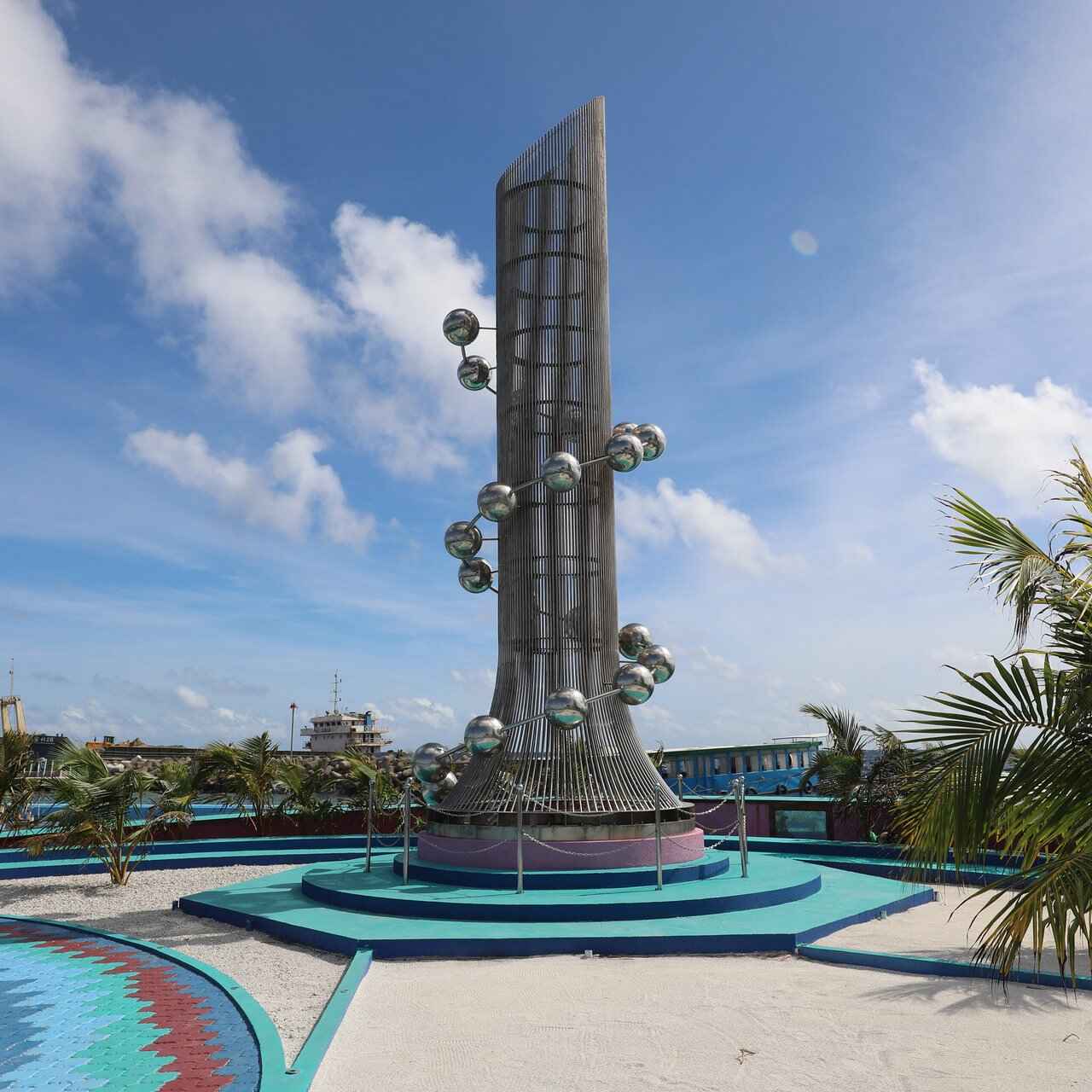
The reclaimed areas of the Male waterfront include the Artificial Beach a public beach and park area where Maldivians gather in the evenings. Watching the evening activity here families, teenagers, men playing football on the sand is a straightforward and accessible way to observe Maldivian public social life in a context that is comfortable and welcoming for visitors.
The Local Markets
Beyond the fish market, Male has a produce market and a general goods market in the commercial area of the city. Fresh fruit, vegetables, dried tuna, coconut products, lacquerwork souvenirs, and everyday goods are sold across the market stalls. The commercial energy of the market area is distinctly different from the calm of the resort islands and gives the Maldives a context as a functioning, busy, working country that the resort experience does not communicate.
MaleCultural Highlights
| Attraction | Built/Est. | Key Feature | Visitor Access | Ties to Resorts |
|---|---|---|---|---|
| Hukuru Miskiy | 1658 | Coral-carved Arabic inscriptions | Exterior + grounds | 10-min ferry |
| National Museum | Modern | Pre-Islamic Buddhist artifacts | Full access | Historical context |
| Fish Market | Daily | Live tuna trade scale | Morning best | Food origin story |
| Short Eats Cafés | Ongoing | Hedhika + sweet tea culture | All day | Authentic vs resort |
| Islamic Centre | 1984 | Largest golden dome Maldives | Exterior only | Visual landmark |
Compare Live Rates & Exclusive Deals
Compare Live Rates & Exclusive Deals
Featured Hotels & Guides in this Collection (10)
Historical Attractions of Paradise
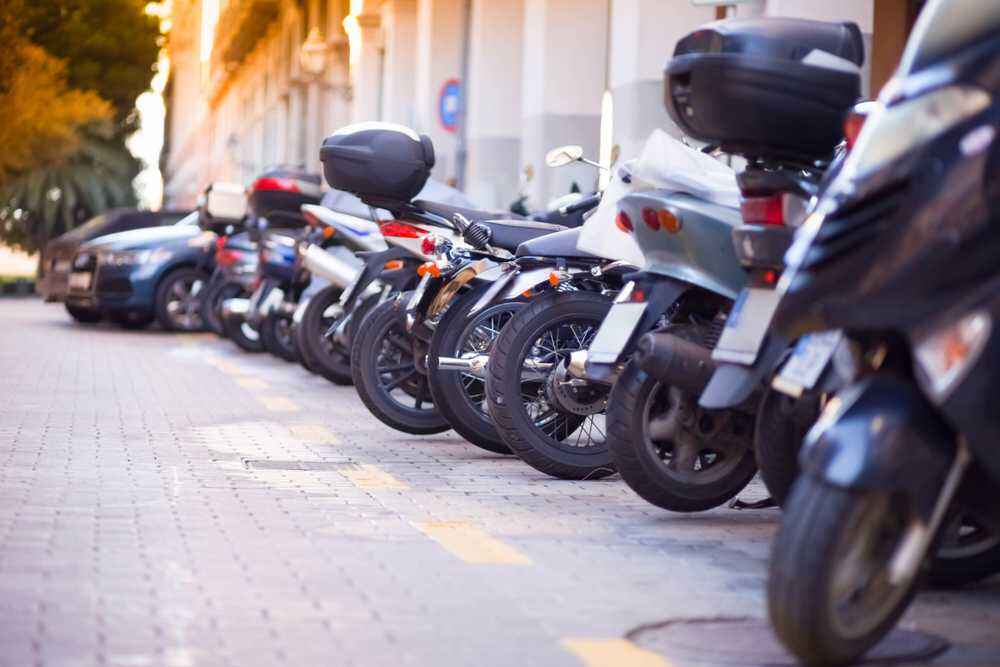
Rent a Motorbike in Maldives
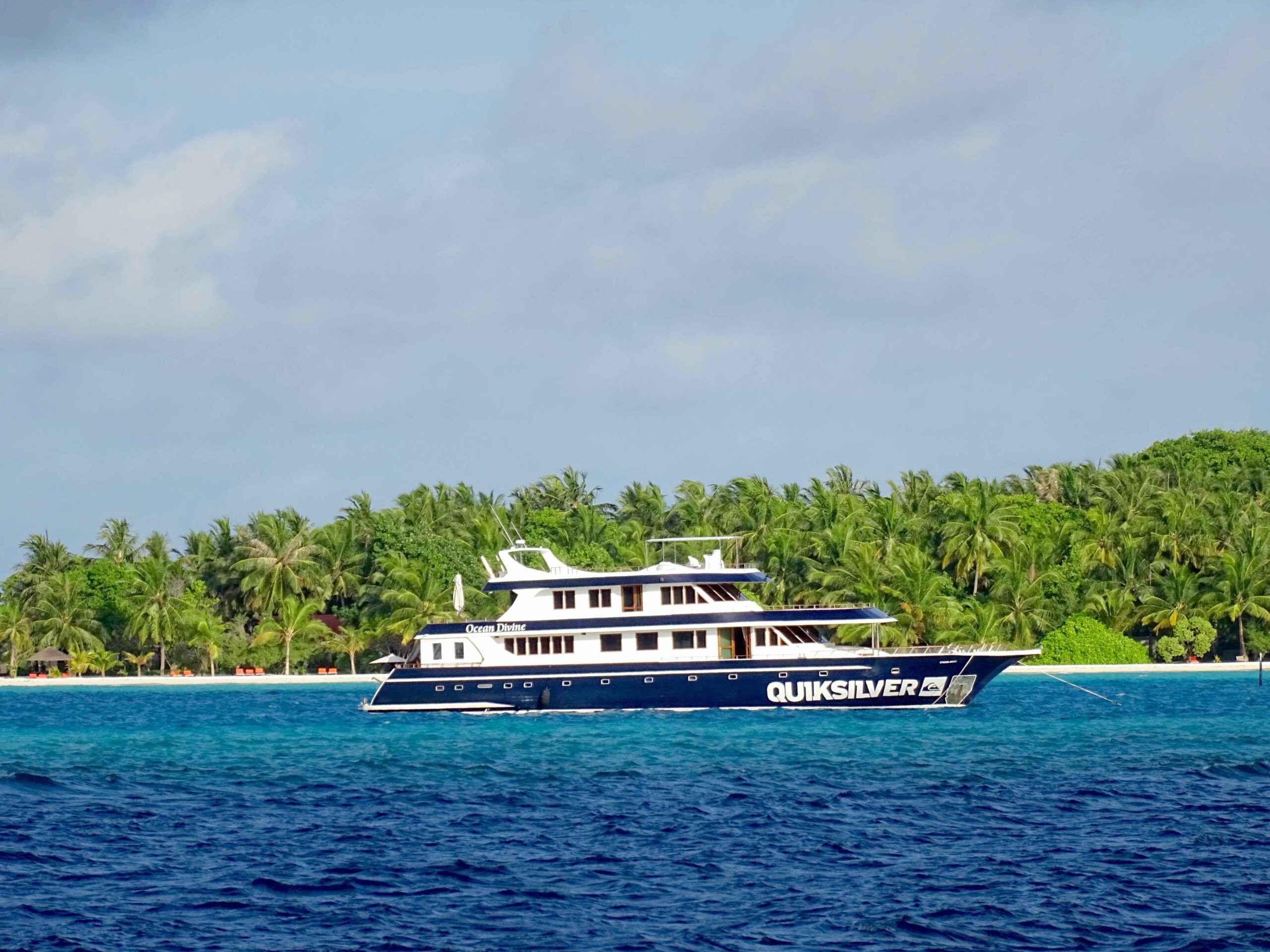
Maldives Transfers
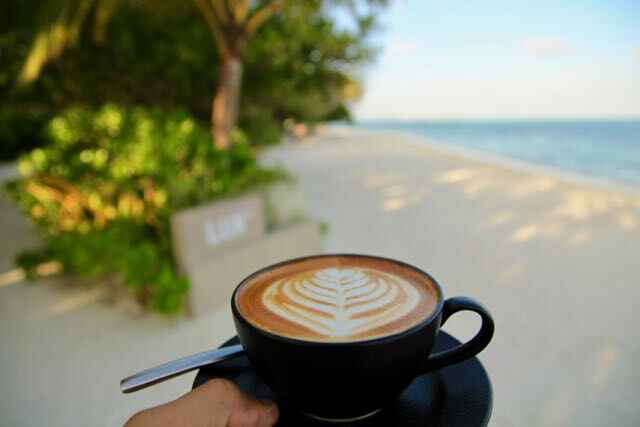
How About Coffee?
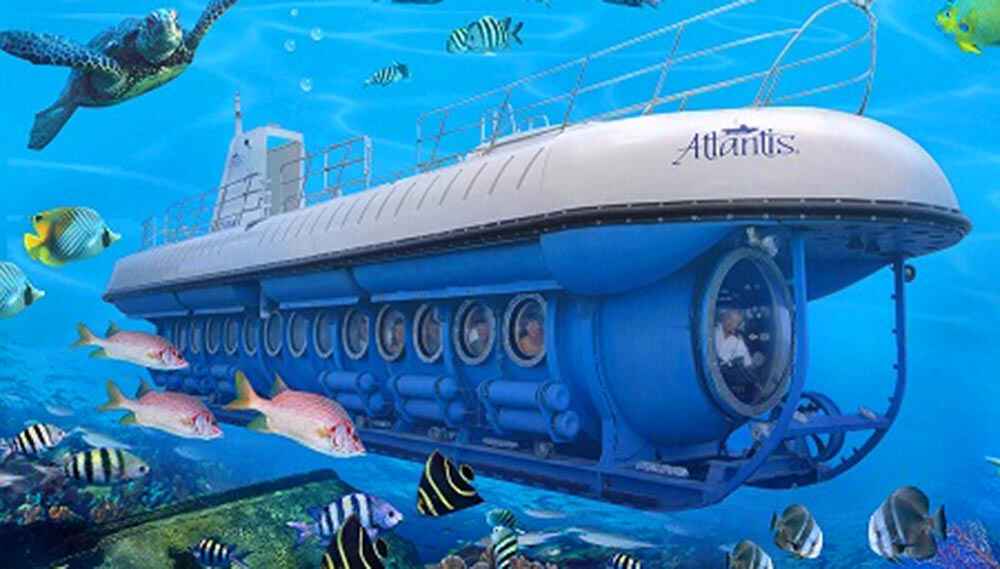
Experience a Dive on Board a Real Submarine in Maldives
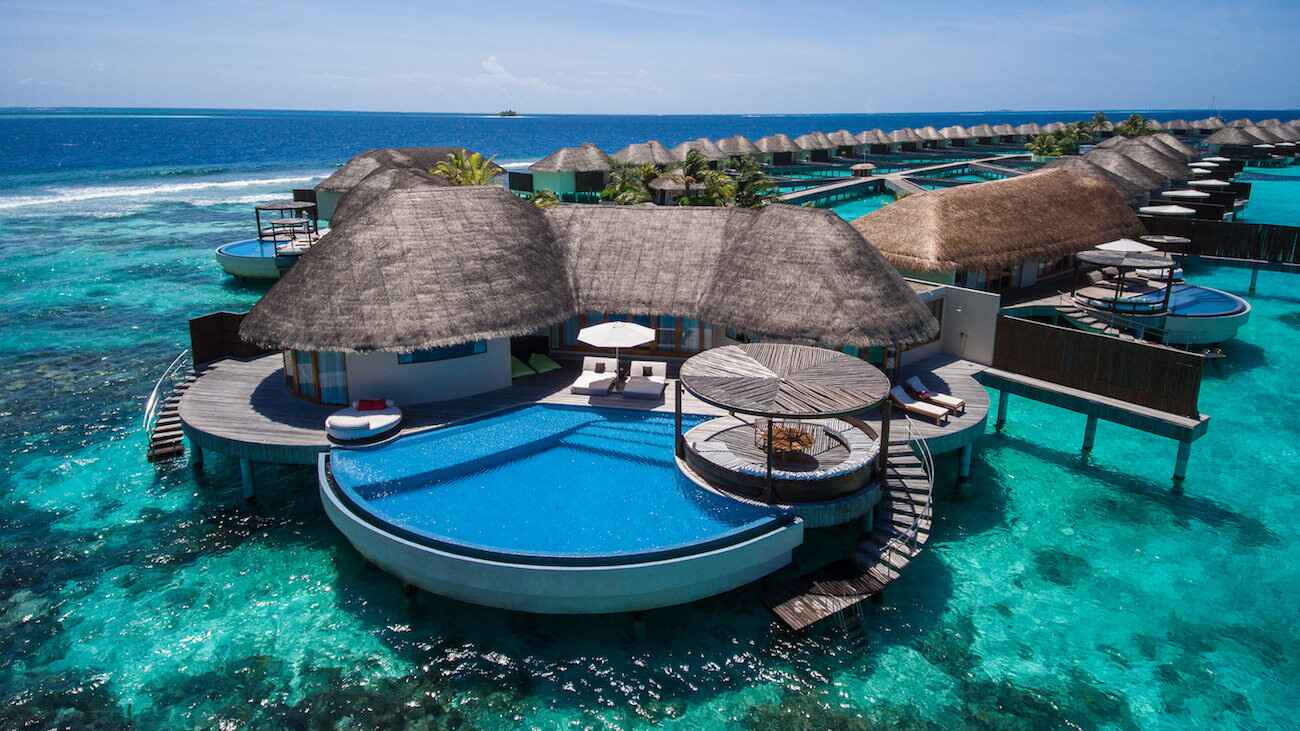
Retreat to a Resort
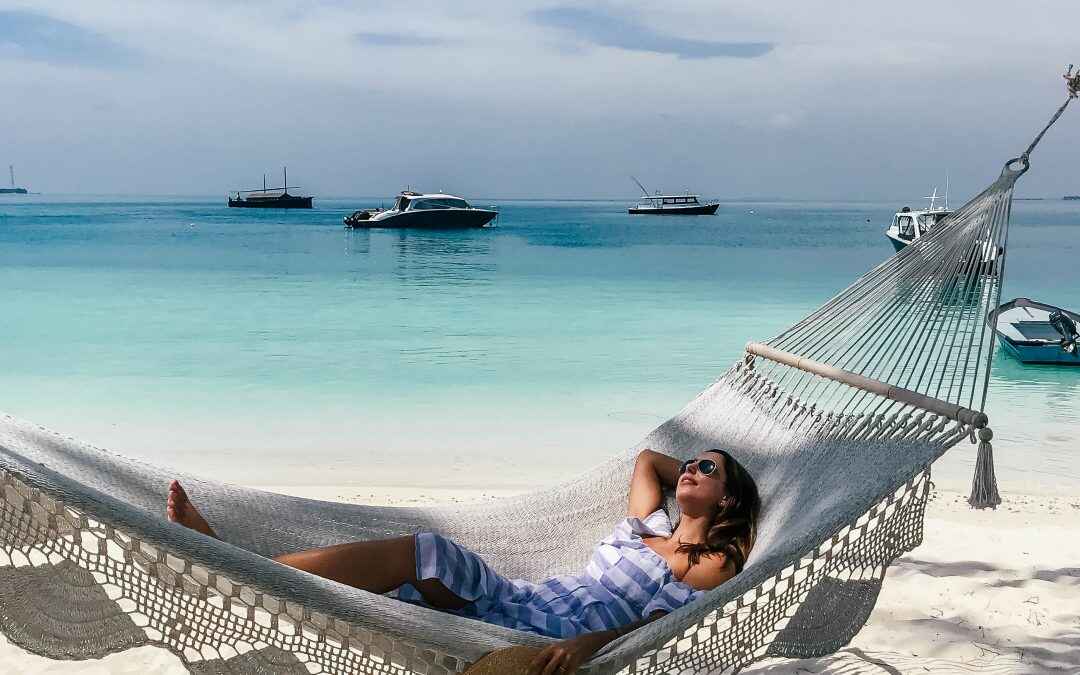
Relax on Henveiru
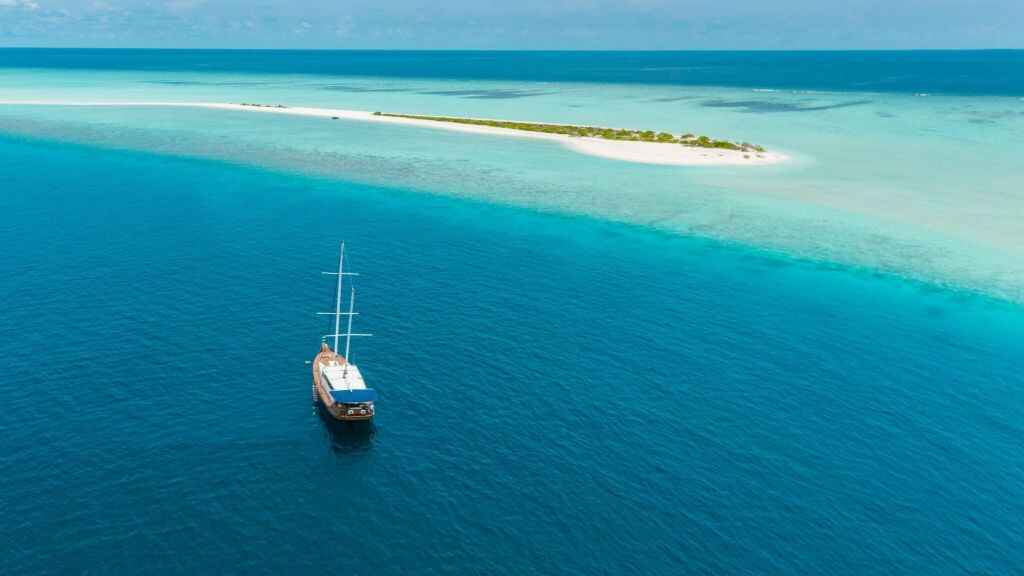
Visit the Markets
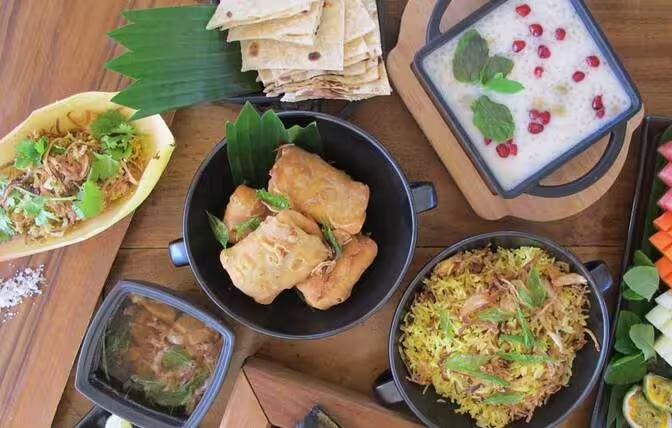
Enjoy Maldives Local Food