Velana International Airport (MLE)
About Velana International Airport (MLE)
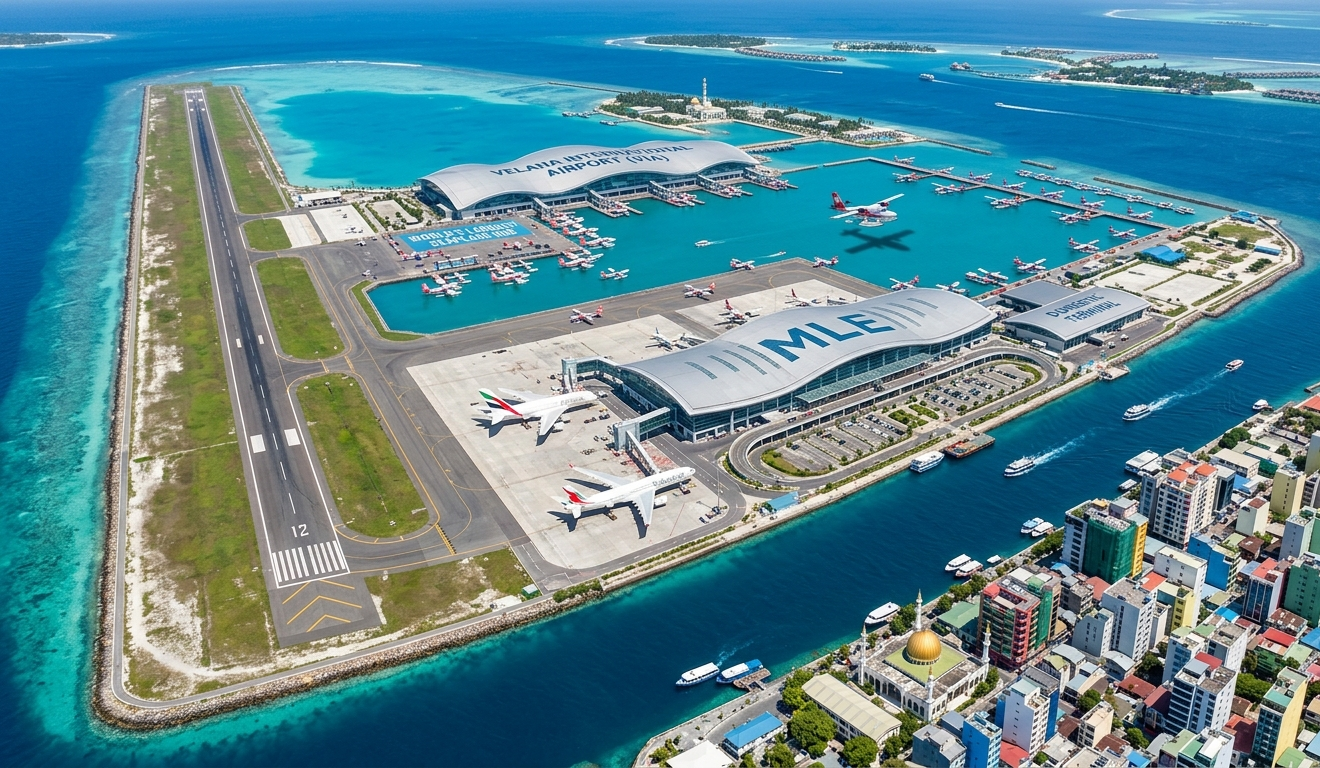
Every trip to the Maldives passes through the same front door. Velana International Airport IATA code MLE sits on Hulhule Island in North Male Atoll, roughly two kilometres from the capital by water. It's the country's only international airport, and whether you're heading to a private overwater villa or a local guesthouse, this is where your journey in the Maldives truly begins.
Knowing what to expect here which terminal handles what, how the seaplane process works, and where the practical traps are saves real time and real stress on arrival day.
Airport Info
IATA Code: MLE Location: Hulhule Island, North Male Atoll Distance to Male: Approximately 2km roughly 10 minutes by public ferry Distance to Hulhumale: Connected by road via Sinamale Bridge
Hulhule Island is separated from central Male by a narrow channel, with the capital clearly visible from the terminal. To the north, Hulhumale a purpose-built reclaimed island is reachable by road across the Sinamale Bridge, which was the first bridge ever constructed in the Maldives.
Terminals at Velana International Airport
The airport runs three separate terminals. Getting the layout straight in your head before you land makes the transit process far less confusing.
International Terminal handles all inbound and outbound international flights. Airlines from the Middle East, South and Southeast Asia, and Europe all operate from here. The terminal has been substantially expanded and upgraded over the past few years, with better retail, improved dining, and a more organised arrivals process.
Domestic Terminal serves fixed-wing domestic routes connecting Male to regional airports across the atolls including Dharavandhoo, Hanimaadhoo, Maafaru, Maamigili, Ifuru, Kadhdhoo, Kooddoo, Kaadedhdhoo, Gan, and Fuvahmulah. Guests connecting from an international flight to a domestic route transfer between the two terminals, which sit close together on the same island.
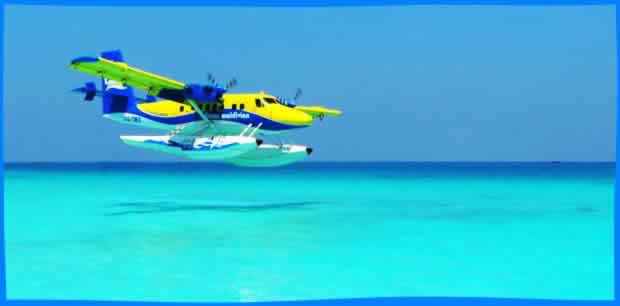
Seaplane Terminal is operated by Trans Maldivian Airways (TMA) and handles transfers to resort islands across the central and northern atolls. A short transfer either on foot or by designated vehicle connects it to the international terminal. For most resort guests, this is where the next chapter of the journey begins.
Getting from the Airport to Male and Hulhumale
Guests staying overnight before continuing to their resort have two straightforward options for reaching Male or Hulhumale.
Public ferry is the cheapest and most commonly used route. The crossing from the airport jetty to Maletakes around ten minutes and costs a nominal fare. Services run regularly throughout the day but thin out into the evening and stop late at night. If you're arriving on a very late flight, don't count on catching a ferry.
Speedboat taxi runs around the clock and reaches Male or Hulhumale in under ten minutes. Rates are fixed and displayed at the taxi desks inside the arrivals hall no negotiating required. This is the practical option for late-night arrivals or anyone with bulky luggage.
Road access via Sinamale Bridge is used mainly by residents and drivers with vehicles. The bridge links Hulhule to Hulhumale, from where Male is accessible by ferry. It's not the usual route for arriving tourists, but useful to know if you're travelling with a large group or a lot of luggage.
Seaplane Transfers: What You Need to Know
For the majority of guests heading to the Maldives' most remote resorts, the seaplane connection is the most logistically significant part of the whole journey. A few things are worth understanding clearly before you arrive.
Seaplanes only fly in daylight. Operations run from roughly 6am to 5:30pm, with the exact cut-off varying by season and available light. Any international flight landing after dark means no seaplane that day. A one-night stay in Male or Hulhumale with the seaplane scheduled for the following morning is the standard approach. If your international arrival is after 3pm, it's worth discussing the connection timing with your resort or agent before confirming flights.
You'll be met at arrivals. Resort transfer teams typically greet guests in the arrivals hall and escort them to the seaplane terminal. Having your resort name and booking reference handy speeds the process up, especially when the arrivals area is busy.
The seaplane terminal has a waiting lounge. Seating, drinks, and some retail are available while you wait. Resorts generally manage the transit process efficiently, and the wait is rarely long.
Luggage limits apply. Seaplane baggage allowances are typically around 20kg of hold luggage plus a small carry-on, though limits vary slightly between operators. Excess baggage can usually be shipped separately most resort transfer teams arrange this but knowing the limit before you pack avoids complications on arrival day.
The flight itself is worth paying attention to. Flying low over the atolls the coral rings, the vivid lagoons, the tiny dots of green is one of those experiences that catches first-time visitors off guard. A window seat and a camera within reach are well worth the small effort.
Domestic Flight Connections
For islands served by domestic airports particularly those in the northern and southern atolls fixed-wing flights operate from the domestic terminal on routes run by Maldivian Airlines and Island Aviation Services. From the regional airport, a speedboat transfer typically continues to the final island.
The busier domestic routes run multiple times daily. More remote destinations have limited services. When connecting from an international arrival to a domestic flight, allow a minimum of two to three hours enough time to clear immigration, collect baggage, and transfer between terminals without cutting it too fine.
Facilities at Velana International Airport
Immigration and customs runs smoothly for most arrivals. Visas on arrival are granted free of charge to most nationalities for stays of up to 30 days. Fill in the arrival card on the aircraft they're distributed in-flight to cut down time at the counter.
Duty-free and retail is spread across both the arrivals and departures zones of the international terminal. The range covers perfumes, cosmetics, electronics, and local Maldivian crafts and souvenirs. Prices are broadly in line with other regional international airports.
Dining is available in the departures lounge and the seaplane terminal waiting area, with cafes, fast-food counters, and a sit-down restaurant option. The standard is adequate for a transit meal.
Currency exchange and ATMs are available inside the terminal. The Maldivian Rufiyaa is the local currency, though US dollars are accepted almost universally in the tourism sector. A small amount of Rufiyaa is useful for ferry fares and local purchases, but it isn't strictly necessary for guests heading straight to a resort.
Wi-Fi is available throughout the terminal buildings, including the seaplane lounge, and handles messaging and light browsing without issue.
Luggage storage is available for guests needing to leave bags during a transit period or overnight layover.
Departing from Velana
Departures follow the standard international format. Check-in opens two to three hours before the flight, with security and departure immigration completed after check-in. The departures lounge has duty-free shopping, food, and comfortable seating.
One thing worth confirming before your return journey: if you're leaving a resort island by seaplane, make sure the scheduled seaplane departure allows a solid buffer before your international flight. Seaplanes are weather-dependent and, while delays are uncommon, they happen. Most resorts factor this in when arranging the return transfer but it's worth double-checking the timing when the plan is being put together.
Overnight Stays Near the Airport
Several practical options exist for guests who arrive too late for a same-day seaplane or have an early morning transfer the next day.
Hulhumale is the most convenient choice for many. Connected to the airport by road, this planned island is quieter and easier to navigate than central Male, with a growing range of hotels and guesthouses at different price points. For guests wanting a straightforward overnight without much complication, this is usually the better bet.
Male city is a ten-minute ferry ride from the airport and offers a broader range of hotels and restaurants, along with the chance to explore the capital the waterfront, the markets, the Friday Mosque. The ferry adds a small amount of time to the next morning's airport connection but is cheap and easy to manage.
Airport hotels on Hulhule Island keep the connection time to an absolute minimum. Options are limited, but the location can't be beaten for guests with very early seaplane departures.
Practical Tips for Arriving at Velana
Fill in the arrival card on the aircraft. It's distributed in-flight and asks for standard details name, passport number, your address in the Maldives, and purpose of visit. Having it complete before you land saves time at immigration.
Check your seaplane timing before you book your international flights. Late arrivals and seaplane connections don't mix. Talk to your resort or travel agent about timing before anything is confirmed.
Keep transfer documents accessible. Resort representatives will be waiting with name boards in the arrivals area. Having the resort name and booking reference to hand makes the meeting quick and easy.
Build in time. The airport process in the Maldives is efficient by regional standards, but it's not fast. Tight connections are an unnecessary source of stress generous buffers are always worth it.
Related Maldives Resorts & Hotels
 Related Resort
Maldives Information
In the Indian Ocean, at the equator's crest, are the Maldives. The nation experiences consistently warm weather all year round with an average temperature of 28°C. The Maldives, with its 26°C to 29°C water temperatures, profusion of tropical fish and other marine life, and famous over-water bungalows, is a great vacation spot for anyone who enjoys the sea.The Maldives were governed by Portuguese, Dutch, and British forces from the 1500s to the 1900s, with a series of sultans wielding supreme control. In 1965, independence was attained. The Maldives are currently a republic, and its presidents have all been chosen democratically.
 Related Resort
Sports and Activities In Maldives
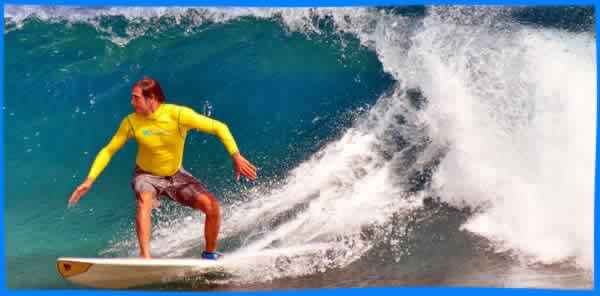
The Maldives is the watersport jungle gym on the grounds that the vast majority of it comprises of the sea, and some confidential island resorts have house reefs near the hotel's convenience.Different spots have standard swimming choices, however the Maldives have shoal swimming choices. You can swim in the Maldives at private island resorts and neighborhood occupied islands with nurture sharks, napoleons, reef fishes, clownfish in Vaavu Atoll, Banana Reef This watersport in the Maldives is one of the most elating ones as parasailing permits you to partake in the flying perspective on the retreat you are remaining at. Parasailing in the Maldives is a gutsy action that permits you to rise above the blue sea while being bridled by a protected parachute on a speedboat.
 Related Resort
Male City In Maldives
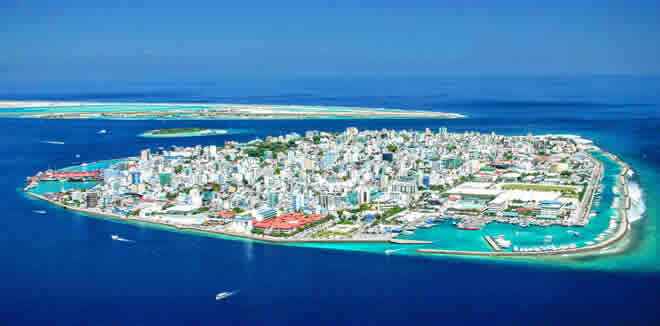
The little yet thickly populated city of Male features a separation to the laid-back coastline resorts found in a huge piece of the rest of the Maldives. Various visitors see nothing a more prominent measure of the Maldives than the air terminal and their retreat; but examining the capital takes after making a step through the mirror, ànd more than 120,000 people on two square kilometers make it maybe the most thickly populated metropolitan regions in the world that almost is apparently drifting, precisely 800 kilometers from the accompanying nearest city. The new island of Hulumale, arranged in the lagoon of Hululhe, where the guideline worldwide air terminal of Maldives is similarly arranged, later on should give additional room to metropolitan inhabitants.
 Related Resort
MALDIVES INFO GUIDE
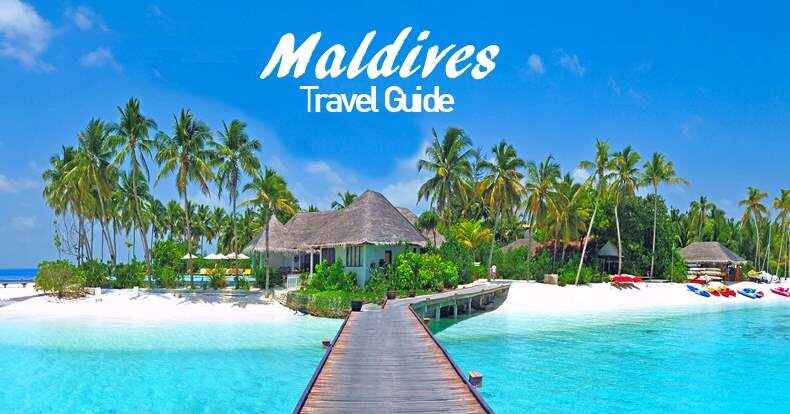
'Compartment list objective', 'tropical desert spring', 'paradise on the planet' : Get ready to zero in on the platitudes, since concerning the luxury Maldives every one of them is exact. 'Lavishness detachment' is the term to best portray the Maldives. The sheer greatness of the coral reefs, the unmistakable consistently changing shades of the Indian Sea, the detachment, local vegetation and pleasing people are unbelievable, and which is just fine — the Maldives fulfills everybody's assumptions. The epitomy of a sea, sand and sun event, visitors guzzle up the tropical island paradise picture of most beautiful island in maldives.Regardless, it's ideal to be overall around taught with respect to your level headed preceding winging off into the dark so have an examined our detailed manual for the beautiful Maldives to guarantee you realize definitively the thing is keeping it together for you in this impeccable piece of the world.
 Related Resort
Maldives Atolls Guide
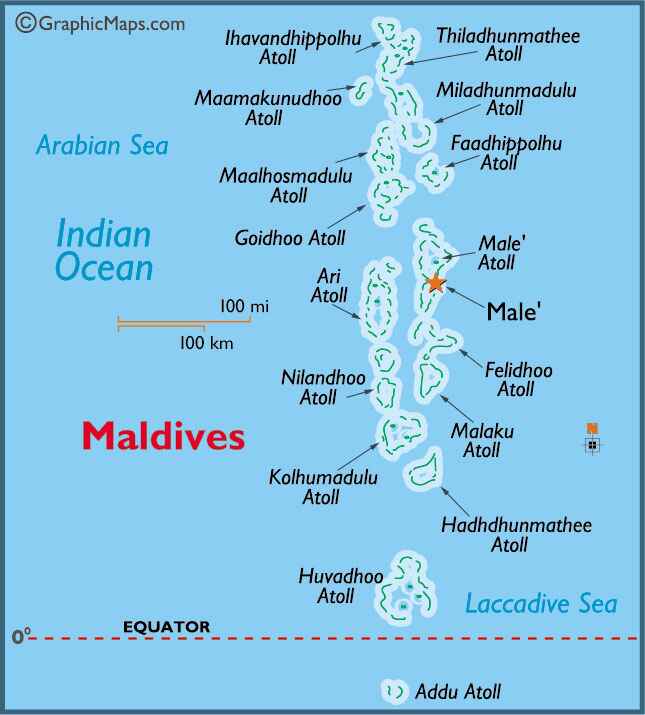
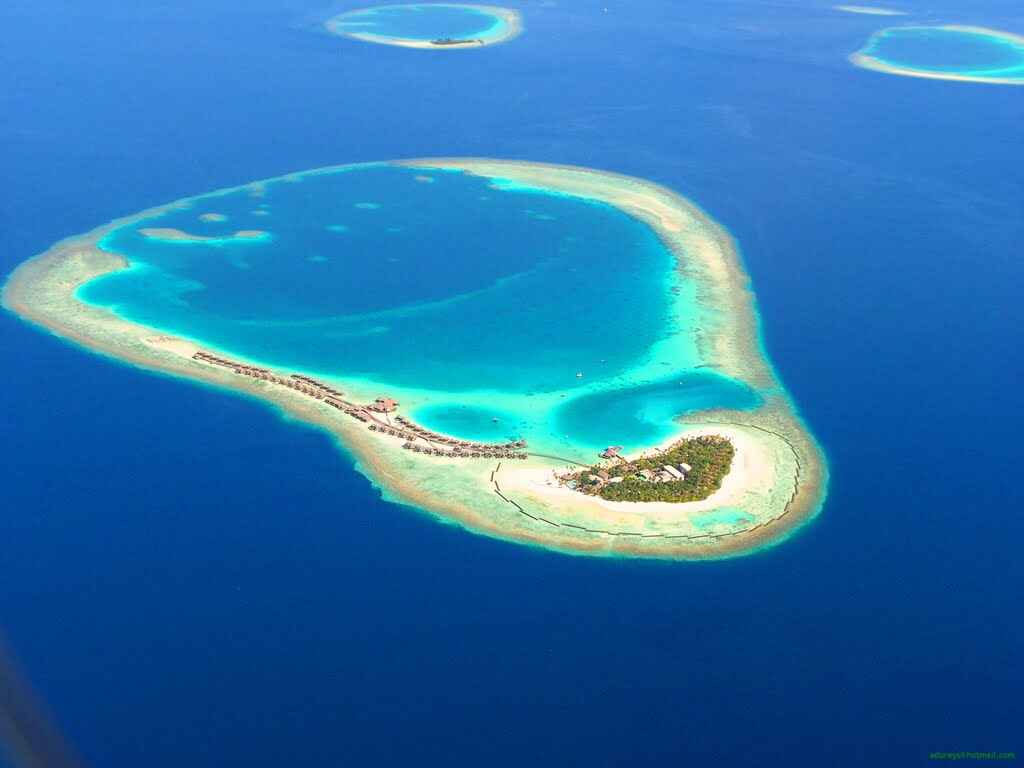
The best atoll to stay in Maldives are a gorgeous tropical paradise with 1,192 islands, white sand beaches, and turquoise oceans that span the Indian Ocean between Sri Lanka and the equator. The Maldives are made up of 26 coral atolls. The 1,192 islands that make up the 1,192 natural atolls that originally were isolated reefs have shaped the Maldives.The northernmost atoll is Haa Alifu, and the is Addu (Seenu). The smallest atoll in the Maldives is called Gnaviyani. Gaafu Alifu is the biggest atoll on the planet and the biggest island in the Maldives archipelago. There are different types of islands in every atoll, including inhabited, unoccupied, and vacation islands. Due to the wide variety of lodging options and convenient boat access from the Male airport, the Kaafu atoll, which is made up of the South Male and North Male Atolls, is the most popular destination to stay. Other islands require an exchange via aircraft.
 Related Resort
Ari Atoll Information In Maldives
Framed by a tremendous tidal pond of oval shape dabbed with reefs, Ari Atoll (Alif or Alufu Atoll) is found 100 km west of the capital of the Maldives and is renowned for its grand sea shores and top notch plunging. After Kaafu Atoll, Ari is the second most well known atoll in the Maldives. Supplement rich waters pull in enormous marine animals from the vast sea, where whale sharks and manta beams are the primary attractions.