Northern Atolls of the Maldives - A Guide to the Islands Beyond Male
The further north you travel through the Maldives, the more the landscape changes. The crowds thin, the pace slows, and the atolls take on a character that feels distinctly different from the well-trodden resort islands near the capital. The northern atolls are more remote, more culturally rich, and for those willing to travel a little further, genuinely rewarding in ways that closer destinations cannot always match.
A Region Shaped by History and Geography
The northern atolls sit closer to India than to the rest of the Maldives, and that proximity has shaped them in ways that are still visible today. It is widely believed that Buddhism - which was the dominant religion in the Maldives until the twelfth century - first arrived in these northern islands from southern India. The Maldivian language, Dhivehi, which carries Indo-Iranian roots alongside Arabic influences, is thought to have developed and evolved in this northern region before spreading southward through the archipelago.
This history gives the northern atolls a cultural depth that goes beyond the natural beauty of the islands themselves. The local communities here have a strong sense of identity and a long relationship with the sea that predates the tourism industry by many centuries.
The Northern Atolls at a Glance
The northern region of the Maldives covers seven atolls, each with its own distinct character, marine environment, and appeal to visitors.
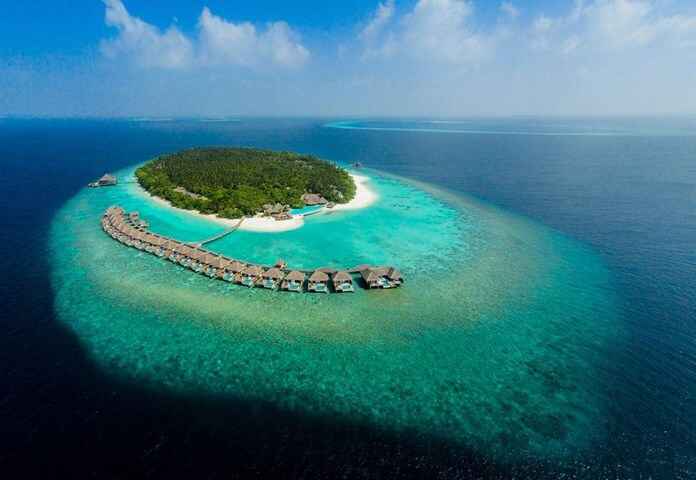
Baa Atoll is the most internationally recognised of the northern atolls, designated as a UNESCO Biosphere Reserve in recognition of its extraordinary marine biodiversity. Hanifaru Bay, located within Baa Atoll, is one of the most celebrated marine sites in the entire Indian Ocean - a sheltered bay where manta rays and whale sharks gather in large numbers during the monsoon season to feed on the rich concentrations of plankton. Snorkelling and diving in Baa Atoll is a genuinely world-class experience, and the resorts here reflect that with strong dive and marine programmes.
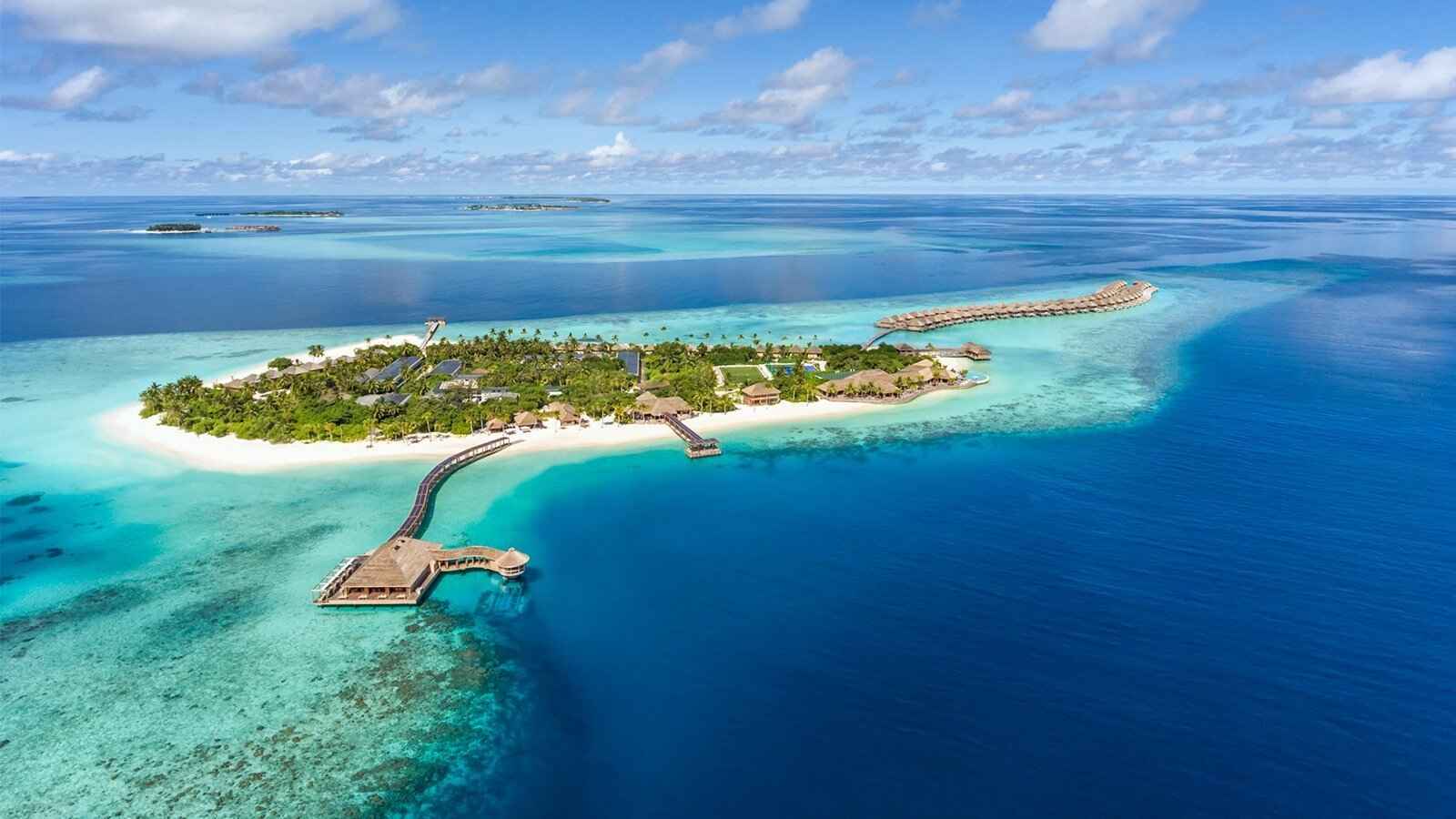
Lhaviyani Atoll has a well-established reputation among divers for the quality and variety of its underwater sites. The atoll is home to healthy coral formations, diverse reef fish populations, and regular sightings of larger pelagic species. Several well-regarded resorts operate here, catering to visitors who prioritise underwater experiences alongside comfortable accommodation.
Raa Atoll, also known as North Maalhosmadulu Atoll, is one of the largest atolls in the Maldives by area. It has its own domestic airport, making access from Male straightforward without the need for a lengthy seaplane transfer. The atoll contains a mix of resort islands and inhabited local islands, offering visitors the choice between luxury resort stays and more culturally immersive guesthouse accommodation.
Noonu Atoll sits to the northeast and has developed a growing resort presence in recent years. The diving here is considered excellent and the relative remoteness of the atoll means that visitor numbers remain lower than in the more accessible central atolls. For travellers seeking genuine seclusion and uncrowded reefs, Noonu is worth serious consideration.
Shaviyani Atoll is less developed for tourism than its neighbours but is notable for its exceptional diving, with silvertip sharks, grey reef sharks, and Napoleon wrasse among the regular sightings. The marine environment here is in excellent condition, partly as a result of lower fishing pressure and fewer visitors than the central atolls receive.
Haa Dhaalu Atoll offers something different from the typical Maldives resort experience. This is one of the more culturally authentic parts of the country, with inhabited islands that have retained strong local traditions and a way of life that has not been significantly shaped by tourism. Visitors here encounter a Maldives that feels genuinely lived in - fishing boats, local markets, traditional architecture, and communities with their own distinct character.
Haa Alif Atoll is the northernmost atoll in the country and among the most historically significant. The island of Ihavandhu, located within this atoll, is believed to be the point at which Buddhism first entered the Maldives. The atoll sits at the very top of the archipelago and has a remoteness that appeals to travellers who want to reach the edges of the country. The marine environment is largely pristine and the diving, particularly around the outer reefs, is considered outstanding.
Surfing in the Northern Atolls
When serious surfers think about the Maldives, the northern atolls - particularly North and South Male Atoll - are where their attention focuses. These atolls were first discovered by surf travellers in the 1970s when shipwrecked sailors stumbled upon breaks that had never been ridden. The waves are still there, essentially unchanged, and the northern atolls now occupy a firm place in the global surf calendar.
The breaks in the North Male Atoll include some of the most well-known names in Maldivian surfing - Pasta Point, Chickens, Cokes, Lohis, Kings, Ninjas, and Escapes are all located here. The South Male Atoll offers its own collection of quality breaks, closer to Hulhumale Airport and generally less crowded than the north. Both atolls offer a mix of left and right-hand breaks, with waves typically running between two and eight feet during the spring and summer months and the largest swells arriving in late summer.
The North Male Atoll is generally considered to produce the longest rides, with both left and right-handers regularly extending beyond 100 metres. Numerous surf charters and boat trips operate throughout the northern atolls, allowing surfers to chase the best conditions across multiple breaks during a single trip.
Getting to the Northern Atolls
Reaching the northern atolls requires more planning than booking a resort close to Male, but the logistics are manageable and the journey itself is part of the experience.
Domestic flights connect Male to airports in Raa Atoll, Noonu Atoll, Haa Dhaalu Atoll, and other northern locations. These flights are short - typically 30 to 50 minutes - and give passengers a remarkable aerial view of the atoll chains stretching northward across the ocean. Seaplane transfers are available for some northern resort islands, and speedboat connections operate between inhabited islands and domestic airport hubs.
Public ferry services also reach the northern atolls, though journey times from Male are considerably longer than flying. For budget travellers staying on local islands, ferries are the practical and affordable option.
Who the Northern Atolls Are Right For
The northern atolls reward travellers who come with a genuine curiosity about the Maldives rather than just its famous visual identity. Divers looking for uncrowded, high-quality reefs. Surfers chasing consistent breaks without the crowds of more accessible locations. Travellers interested in Maldivian history and culture. Wildlife enthusiasts hoping to see manta rays and whale sharks in their natural feeding environment.
The distance from Male means transfers take longer and cost more than for the central atolls. For visitors on short trips, that may be a meaningful consideration. But for those with the time to make the journey, the northern atolls deliver an experience that sits apart from anything the more accessible parts of the country can offer - quieter, more authentic, and genuinely harder to find elsewhere.
Compare Live Rates & Exclusive Deals
Compare Live Rates & Exclusive Deals
Guides & Collections in Northern Atolls
Baa Atoll In Maldives
Lhaviyani Atoll In Maldives
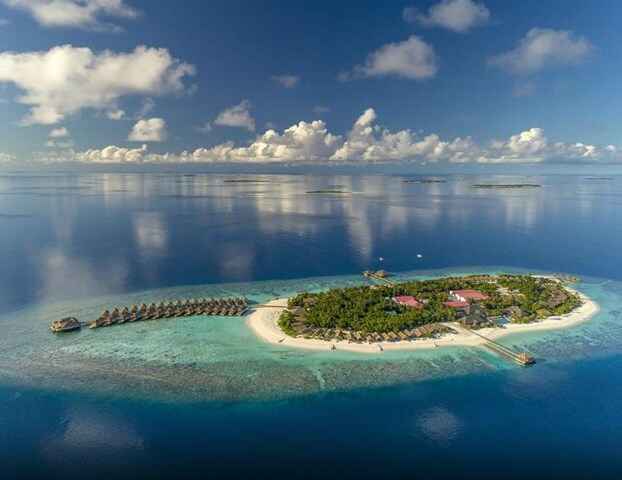
Raa Atoll In Maldives
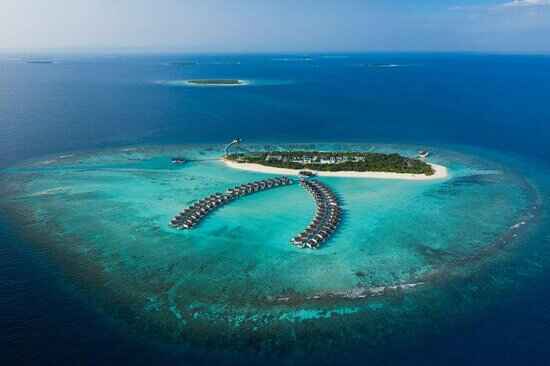
Noonu Atoll In Maldives
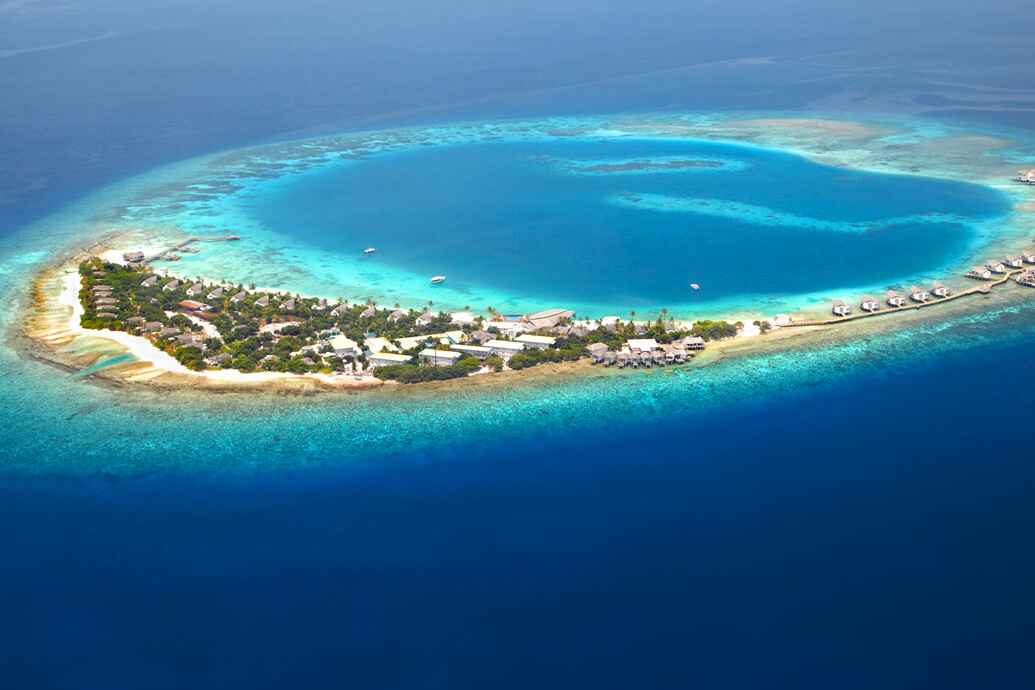
Shaviyani Atoll In Maldives

Haa Dhaalu Atoll In Maldives
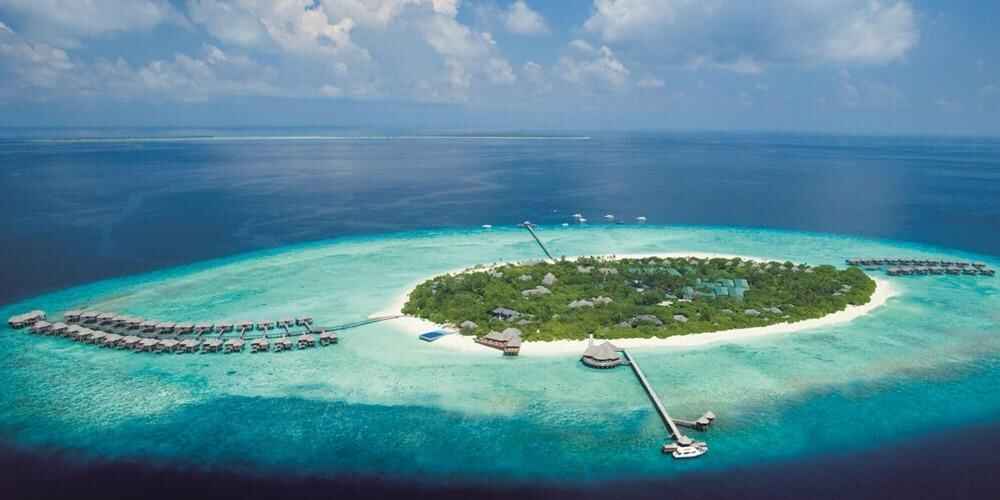
Haa Alif Atoll In Maldives
10 Best Raa Atoll Resorts In Maldives