
Maldives Island Directory
This guide covers what is genuinely worth doing in the Maldives during the rainy season and why visiting in the wet months is the right decision for some travellers.
Cooking classes. Several resorts offer Maldivian cooking classes covering the preparation of traditional dishes mas huni, garudhiya, short eats, and coconut-based curries. A rainy afternoon in a resort kitchen learning to make the actual food of the country is considerably more interesting than the same afternoon spent waiting for the sun to return.
Underwater photography. Visibility underwater during the wet season is frequently excellent, particularly in the eastern atolls. A rainy surface does not affect underwater conditions. Underwater photography courses and guided photography dives are available at the dive centres of most well-equipped resorts.
Film and documentary screenings. Soneva Jani, Gili Lankanfushi, and several other resorts operate overwater or beach cinema facilities showing films at scheduled times. Rain provides the most atmospheric possible context for an outdoor cinema screening under a covered shelter above the lagoon.
Local craft and culture sessions. Some resorts offer workshops in traditional Maldivian crafts lacquerwork, mat weaving, and dhoni model building. These sessions are scheduled for any weather and provide a genuine engagement with Maldivian material culture that is independent of sunshine.
Snorkelling at Hanifaru Bay. The peak manta aggregation season at Hanifaru Bay runs during the wet months. Snorkelling here in a light Maldivian rain shower, surrounded by manta rays banking and rolling through the current, is one of the more extraordinary outdoor experiences available in ocean travel regardless of the weather conditions above the water.
Island hopping. Public ferry services between local islands run year-round regardless of weather. The inhabited islands of the Maldives have an entirely different character during the wet months fishing activity is higher, the community rhythm changes, and the visual atmosphere of a local Maldivian island in grey-sky rain light is genuinely distinctive.
10 Things to Do When it Rains
The rainy season in the Maldives has a reputation that significantly undersells what the experience actually is. Rain during the southwest monsoon broadly May through October is rarely the all-day, holiday-destroying downpour that travellers from temperate climates associate with wet seasons elsewhere. In the Maldives, rain typically arrives in short, heavy bursts and moves on. Most days during the wet season include several hours of excellent weather. And during those hours, the activities available are exactly the same as during the dry season just with fewer other guests around and lower resort prices.
This guide covers what is genuinely worth doing in the Maldives during the rainy season and why visiting in the wet months is the right decision for some travellers.
Why the Rainy Season Is the Right Time for Some Travellers
The wet season in the Maldives coincides with the peak of the manta ray feeding season at Baa Atoll's Hanifaru Bay. Between June and October, the southwest monsoon pushes plankton-dense water into the bay in concentrations that draw manta rays in numbers impossible to encounter during the dry season. For travellers whose primary goal is a manta ray encounter, the wet season is objectively the better time to visit.
The same monsoon conditions that produce rain also generate the swell that creates the Maldives' best surf conditions. The reef breaks near North Male Atoll and in Laamu Atoll are at their most consistent between May and October. Surfers who visit during the wet months find conditions that the dry season cannot match.
Resort prices during the wet season are typically 15 to 30 percent lower than peak dry season rates. For travellers with flexibility on timing, visiting in May, June, September, or October delivers a materially better price-to-experience ratio.
Rainy Season Activity Planner
Indoor and Sheltered Activities During Rain
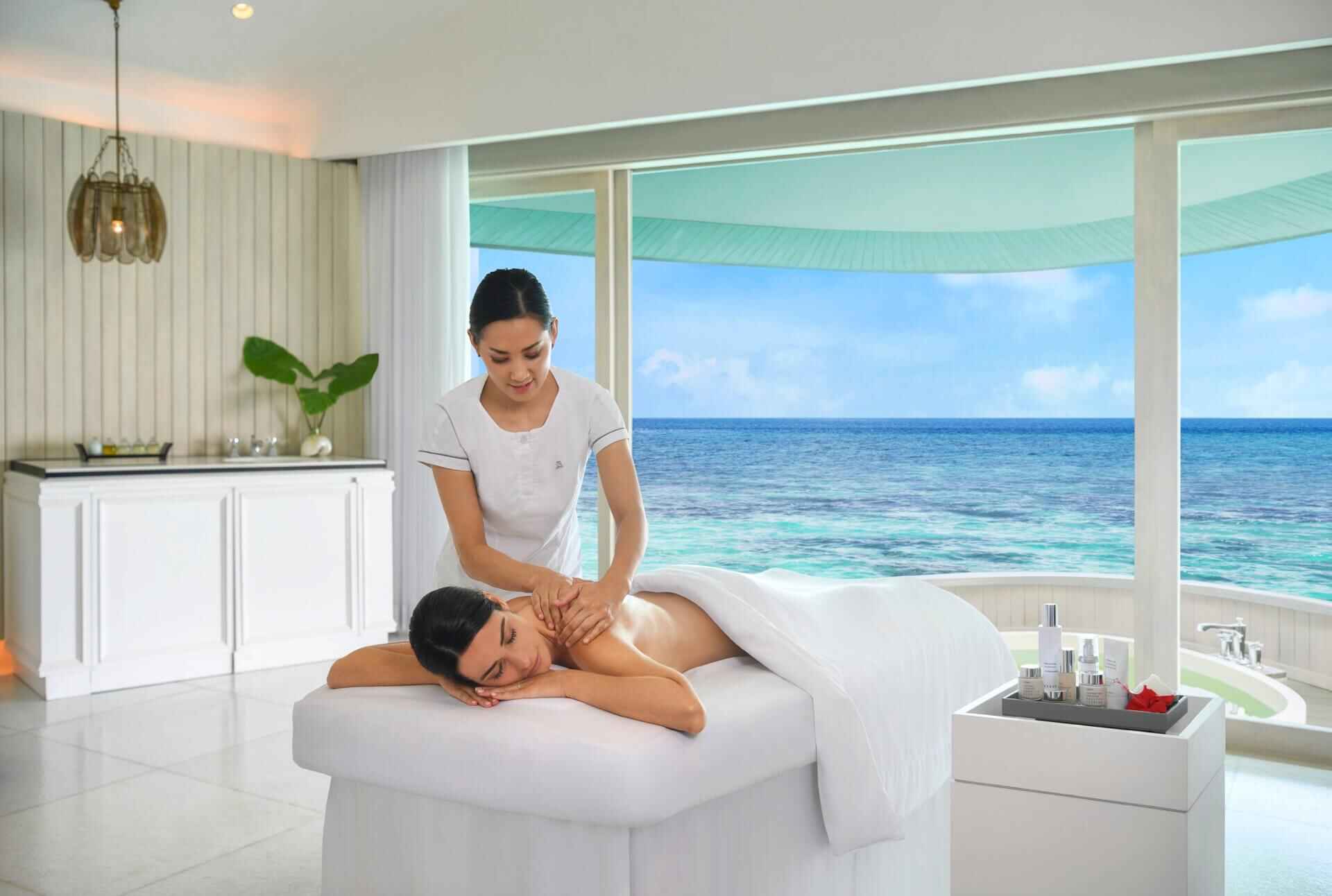
Spa treatments. A rain shower is the most natural context for a spa treatment in the Maldives the sound of rain on the overwater spa roof, the grey light over the lagoon outside the treatment room window. Most overwater spas in the Maldives have their strongest atmosphere during wet weather rather than in spite of it. This is genuinely not a compromise it is an experience worth planning for.
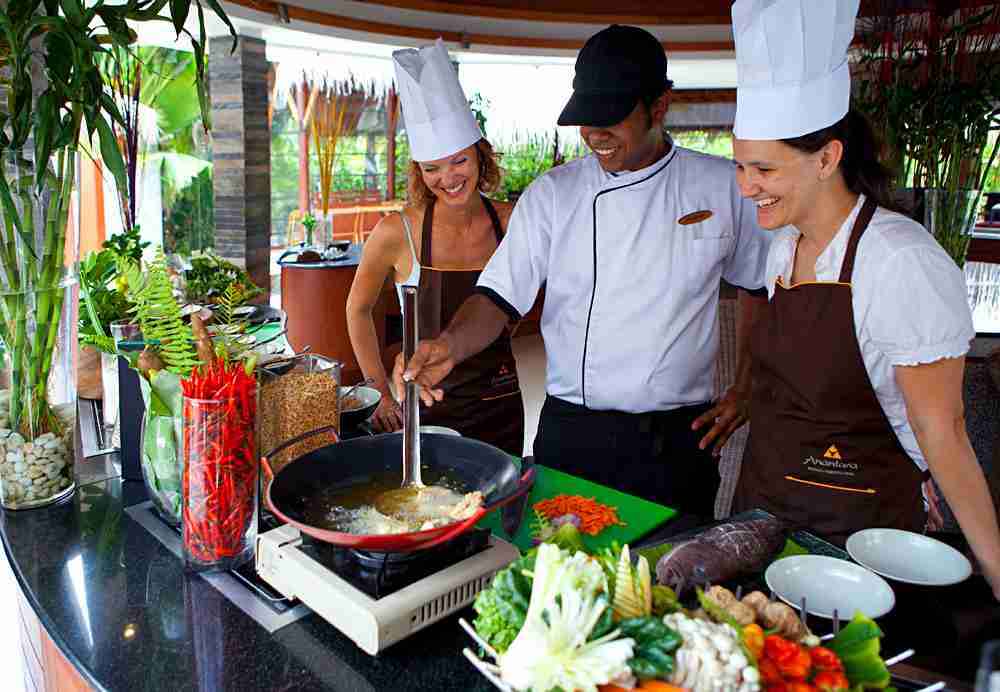
Cooking classes. Several resorts offer Maldivian cooking classes covering the preparation of traditional dishes mas huni, garudhiya, short eats, and coconut-based curries. A rainy afternoon in a resort kitchen learning to make the actual food of the country is considerably more interesting than the same afternoon spent waiting for the sun to return.
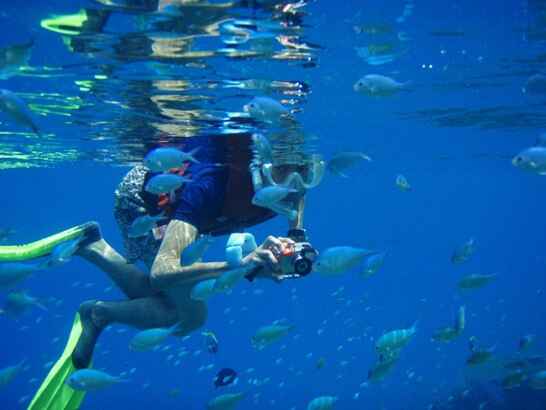
Underwater photography. Visibility underwater during the wet season is frequently excellent, particularly in the eastern atolls. A rainy surface does not affect underwater conditions. Underwater photography courses and guided photography dives are available at the dive centres of most well-equipped resorts.
Film and documentary screenings. Soneva Jani, Gili Lankanfushi, and several other resorts operate overwater or beach cinema facilities showing films at scheduled times. Rain provides the most atmospheric possible context for an outdoor cinema screening under a covered shelter above the lagoon.
Local craft and culture sessions. Some resorts offer workshops in traditional Maldivian crafts lacquerwork, mat weaving, and dhoni model building. These sessions are scheduled for any weather and provide a genuine engagement with Maldivian material culture that is independent of sunshine.
Wet vs Dry Season Comparison
Outdoor Activities That Work in Wet Season
Diving. Rain does not affect underwater visibility and most wet season dive conditions are excellent. The wet season is when the eastern atoll channels including sites in Baa, Noonu, and Dhaalu atolls produce their strongest marine life activity. Diving in the rain, from a surface perspective, is simply getting into the water slightly differently. Once below the surface, the experience is identical.
Snorkelling at Hanifaru Bay. The peak manta aggregation season at Hanifaru Bay runs during the wet months. Snorkelling here in a light Maldivian rain shower, surrounded by manta rays banking and rolling through the current, is one of the more extraordinary outdoor experiences available in ocean travel regardless of the weather conditions above the water.
Island hopping. Public ferry services between local islands run year-round regardless of weather. The inhabited islands of the Maldives have an entirely different character during the wet months fishing activity is higher, the community rhythm changes, and the visual atmosphere of a local Maldivian island in grey-sky rain light is genuinely distinctive.
Verified Rates
Compare Live Rates & Exclusive Deals
Verified Rates
Compare Live Rates & Exclusive Deals
Featured Hotels & Guides in this Collection (10)
#1 in Collection
Top Pick
5.0
Verified
Have a Pampering Spa Treatment
A Time to Really Chill OutSpa treatments in the Maldives are not simply a way to relax, they are a place where everything slows down and you can get away fro...
#2 in Collection
Top Pick
5.0
Verified
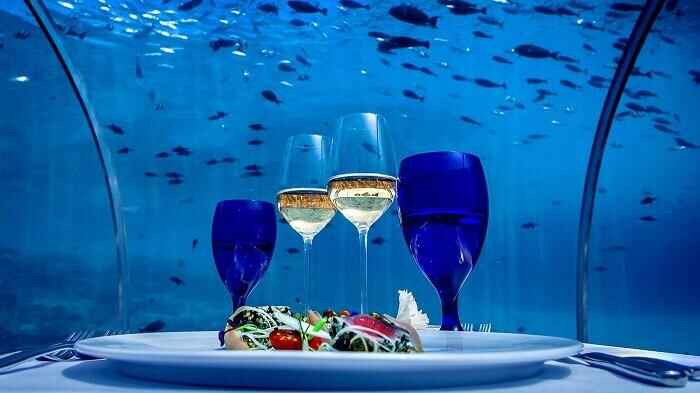
Eat and Drink Underwater
A One-of-a-Kind Eating ExperienceAt first, eating underwater in the Maldives seems like a dream. You aren't looking out at the ocean; you're in it. There are...
#3 in Collection
Top Pick
5.0
Verified
Maldives Cooking Classes
Maldives cooking classes offers tourists a great opportunity to learn about real Maldivian food, traditional dishes and culinary experiences whilst enjoying ...
#4 in Collection
Top Pick
5.0
Verified
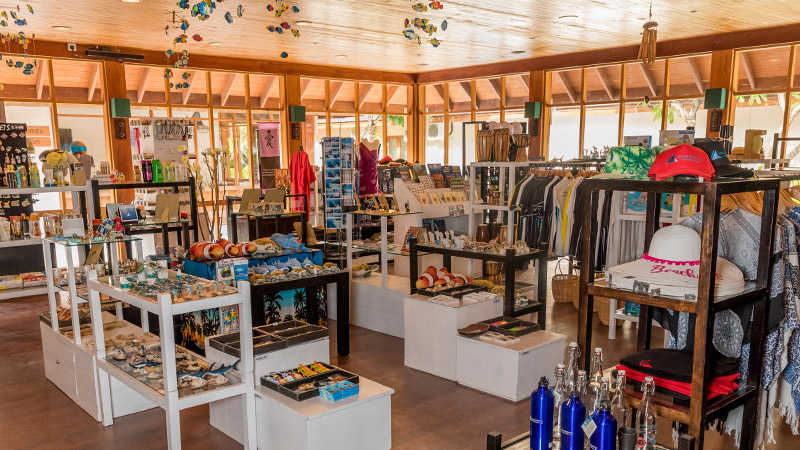
Go Shopping to Male
One of the best things to do in Male Maldives is to buy and experience the local island culture and authentic Maldivian products and enjoy your Maldives holi...
#5 in Collection
Top Pick
5.0
Verified
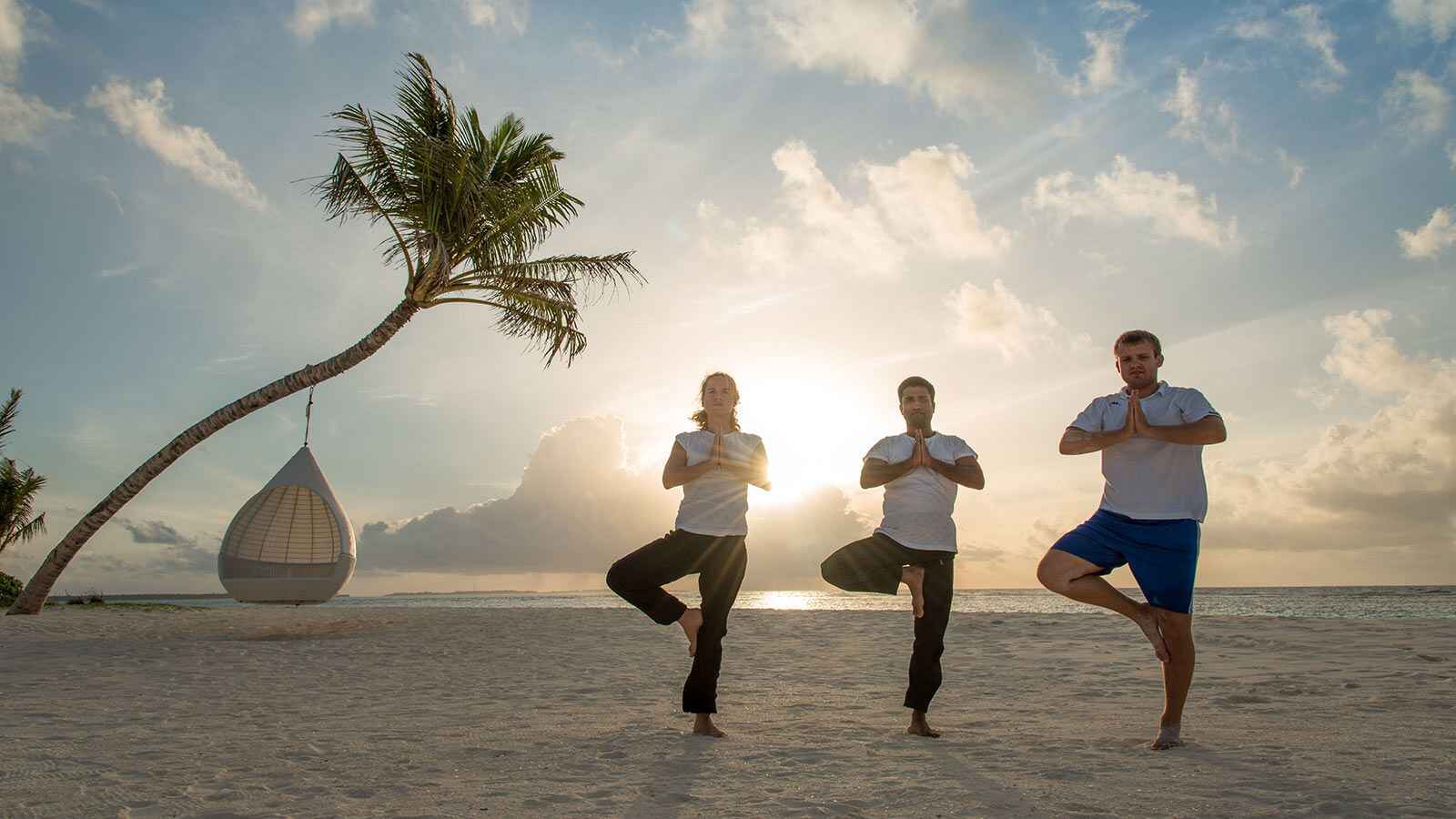
Yoga & Wellness
Over the long run, Maldives has additionally developed into an objective for common wellbeing and prosperity, with yoga focuses giving classes, and timetable...
#6 in Collection
Top Pick
5.0
Verified
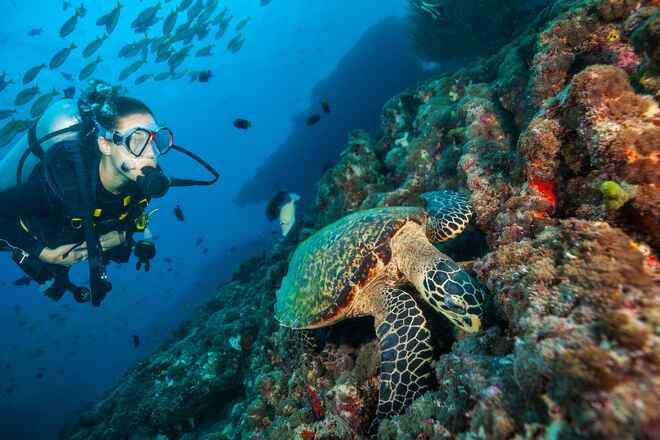
Scuba Diving
Scuba diving in the Maldives can be one of the most unforgettable experiences you will ever experience in your lifetime as the island has been known for its ...
#7 in Collection
Top Pick
5.0
Verified
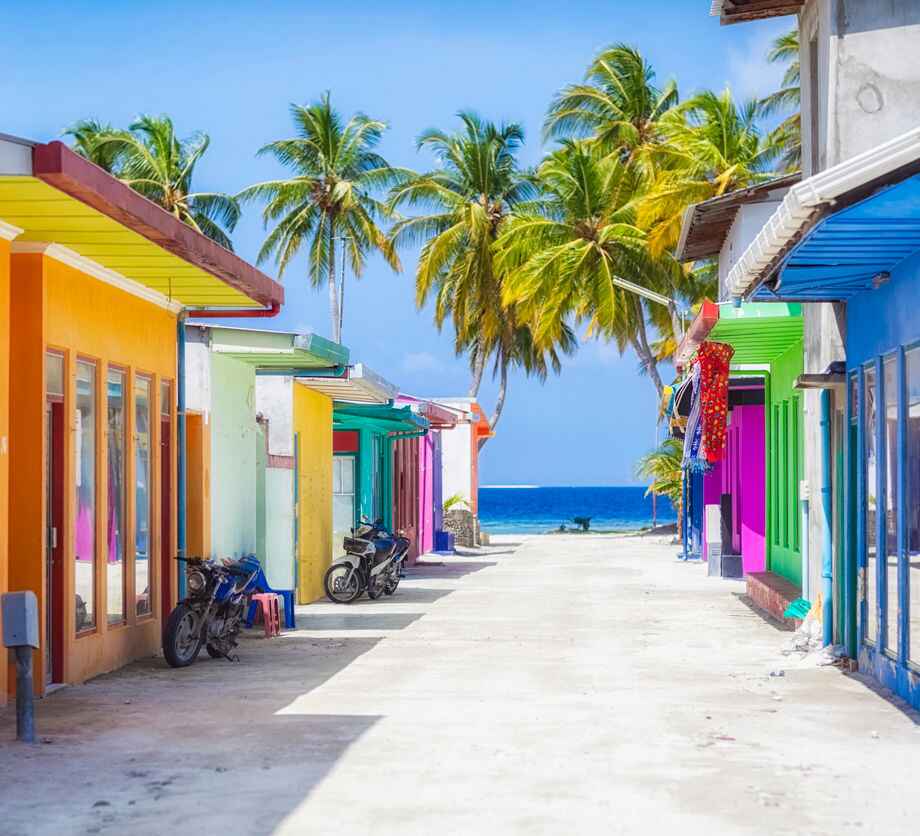
Visit the Local Island
What Life Is Like on the Real IslandStaying at a resort in the Maldives is very different from going to a local island. You can see how people live, work, an...
#8 in Collection
Top Pick
5.0
Verified
Snorkelling in Maldives
A world that is just below the surface Snorkeling in the Maldives is easy and fun from the start. You don't have to be a pro diver or be in deep water to hav...

#9 in Collection
Top Pick
5.0
Verified
Surfing
Arguably the most exciting tropical water sport activity in the whole world is surfing in the Maldives. The Maldives with its clear blue waters, warm tropica...
#10 in Collection
Top Pick
5.0
Verified
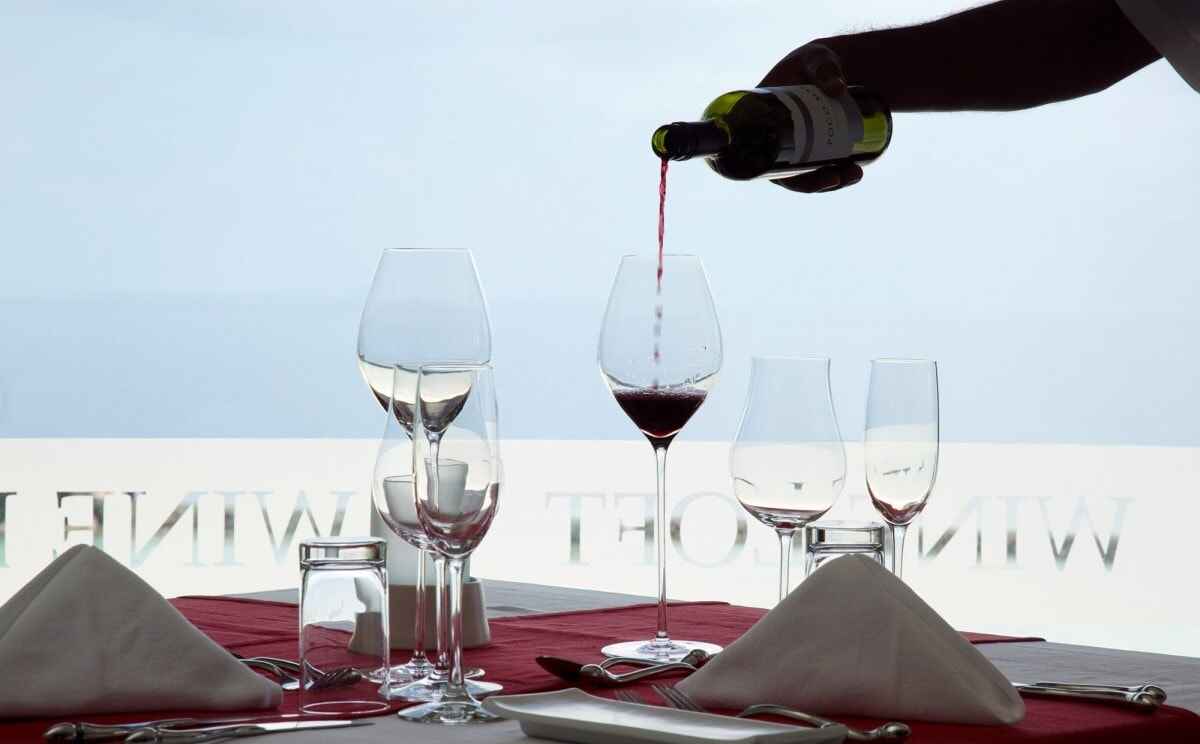
Wine Tasting
Wine tasting in Maldives is a luxury and exclusive culinary experience with international wine, fine dining and stunning Maldivian landscapes. The wine tasti...
Helpful Knowledge
Frequently Asked Questions
Yes for the right traveller. The wet season brings lower prices, smaller crowds, peak manta ray activity at Hanifaru Bay, and the Maldives' best surf conditions. Rain is typically short and heavy rather than sustained all day. Most visitors who choose the wet season for its specific advantages find the experience more rewarding than the price saving alone suggests.
The southwest monsoon — the Maldives' wet season — runs broadly from May through October. June, July, and August tend to be the wettest months. May, September, and October offer a better balance of wet season pricing with fewer rain interruptions. November marks the beginning of the dry season and is considered one of the best months to visit.
Rain does not affect underwater conditions or visibility. Diving during the wet season in the Maldives is frequently excellent — the eastern atoll channels are particularly productive during the southwest monsoon months, and the marine life activity that the seasonal current changes generate can exceed dry season conditions at specific sites.