
Kihaa Holiday Home
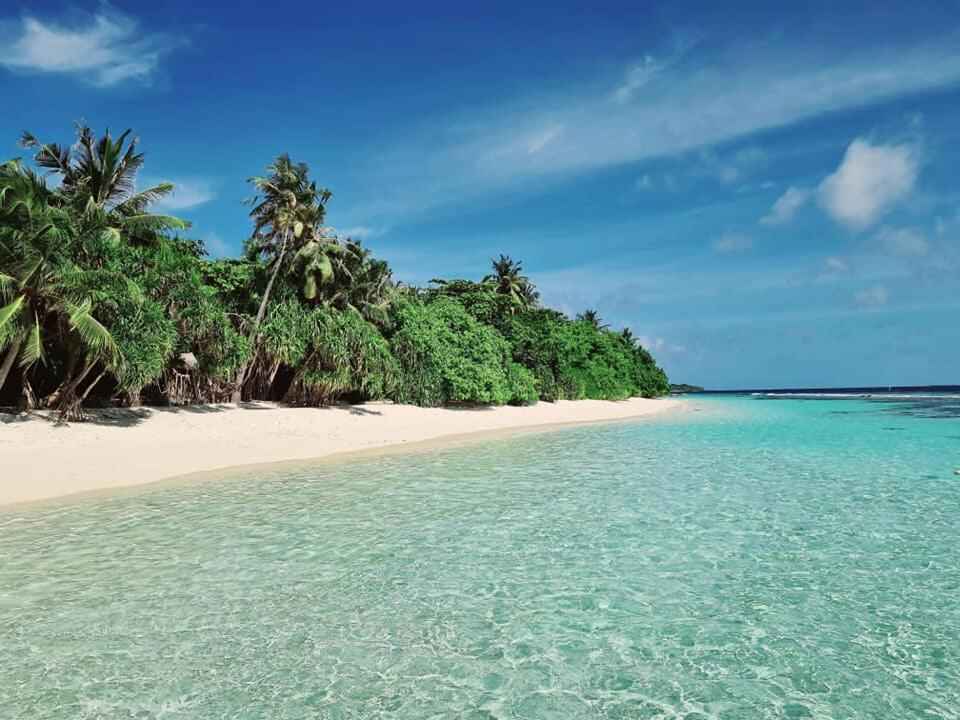
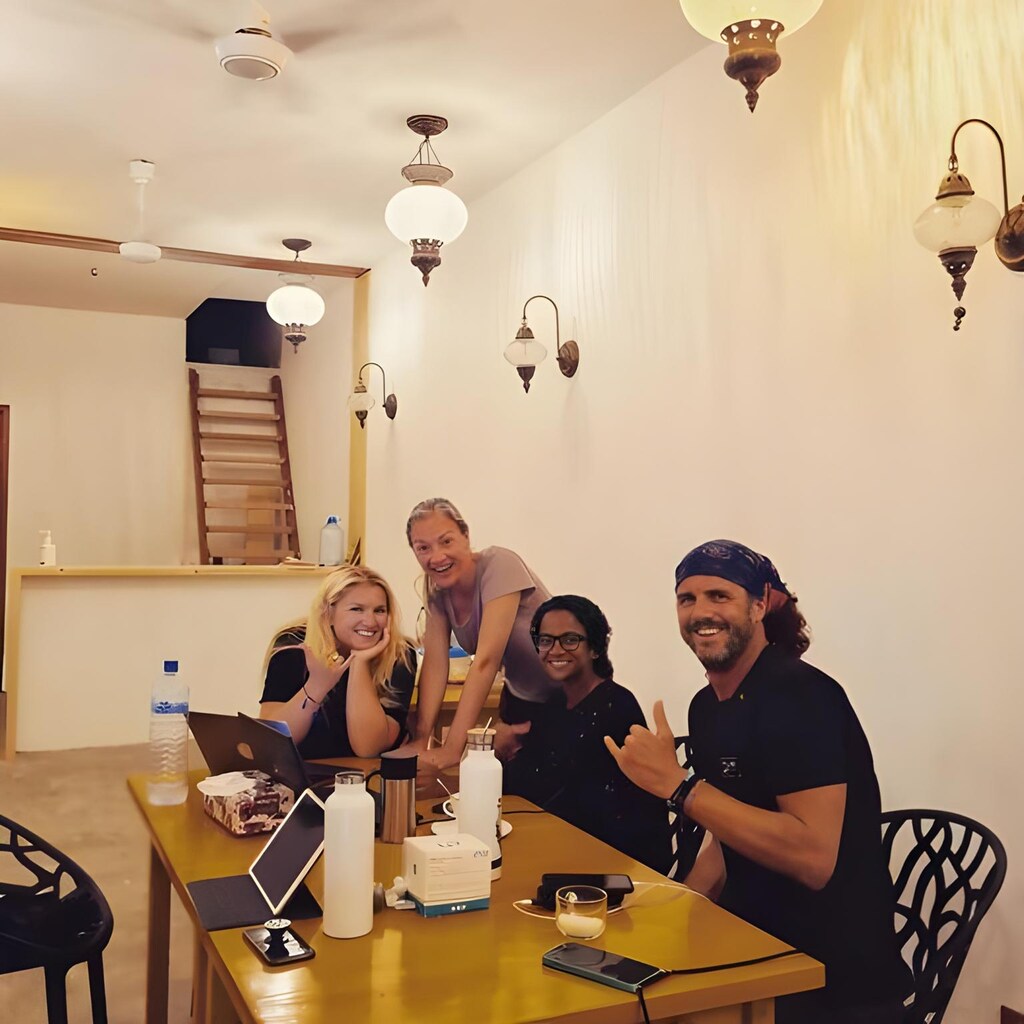
About Kihaa Holiday Home
Quick Facts
| Detail | Info | |||
|---|---|---|---|---|
| Location | Kihaadhoo island, Baa Atoll | |||
| Transfer from Male | Domestic flight to Dharavandhoo + speedboat | |||
| Atoll status | UNESCO Biosphere Reserve | |||
| Manta ray access | Hanifaru Bay excursion available | |||
| Manta season | May–October (peak June–August) | |||
| Alcohol | Not available (local island) | |||
| Best for | Marine wildlife enthusiasts, snorkellers, budget travellers |
What Baa Atoll Delivers That Other Atolls Don't
| Feature | Baa Atoll | Ari Atoll | North Male Atoll | |||
|---|---|---|---|---|---|---|
| Hanifaru Bay manta aggregations | ✅ Unique globally | ❌ | ❌ | |||
| UNESCO Biosphere protection | ✅ | ❌ | ❌ | |||
| Reef health | Exceptional | Very good | Good | |||
| Whale sharks | Occasional | ✅ Year-round | Rare | |||
| Local island options | ✅ Several | ✅ Several | ✅ Several | |||
| Transfer complexity | Domestic flight needed | Seaplane/domestic | Short speedboat |
Activities From Kihaa Holiday Home
Marine Wildlife
- 🐟 Hanifaru Bay manta excursion - The primary reason to be in Baa Atoll. Snorkelling only scuba is banned. Book the day before to secure the daily quota. 🤿 House reef snorkelling - Baa Atoll reef health is among the best in the country. Turtles, reef sharks, and colourful reef fish without any excursion fee. 🦈 Reef diving - Baa Atoll dive sites accessible by day trip. 🐬 Dolphin watching - Evening departure. Spinner dolphins in the atoll channels.
Excursions
- 🏝️ Island hopping - Neighbouring Baa Atoll inhabited islands 🎣 Traditional fishing - Half-day with local fishermen 🌙 Night fishing - Evening departure 🏖️ Sandbank visit - Weather dependent
Hanifaru Bay - What to Know Before You Go
The bay has a daily visitor cap. It fills during peak season (June–August). The guesthouse books the excursion through licensed operators confirm your preferred Hanifaru day with Kihaa Holiday Home as early as possible, ideally before you arrive. On a peak August day, the quota fills by morning.
Snorkelling is the only access. You float at the surface and watch the mantas feed below. A well-fitting mask is the most important piece of equipment bring your own. The difference between a clear encounter and a foggy, leaky one is significant when you're watching a hundred manta rays from the surface.
Compare Live Rates & Exclusive Deals
Related Maldives Resorts & Hotels
 Related Resort
How to Travel on a Budget In Maldives
Smart Ways to Explore the Maldives on a BudgetTraveling to the Maldives doesn't necessarily have to cost you a fortune. You need only to plan well and make the right decisions for your stay to be an affordable one. For instance, opting for locally owned islands will enable you to spend less. Examples include Maafushi, Thulusdhoo, and Gulhi Islands. In these islands, budget guesthouses are available to give you an affordable place to rest, and at the same time experience the local culture of the Maldives.Transportation, on the other hand, can help you economize by opting for public ferries. Unlike private means of transport, ferries will take you around to different islands at relatively lower costs. Regarding food, avoid resort eating places and try out local eateries and cafes. Some of the meals you will sample include Maldivian meals such as mas huni, fried fish, and rice dishes that are relatively affordable. There are also guesthouse packages for meals that are not expensive.Try traveling to the islands between May and October when it is the low season. At this time, hotel rates are lower, and you can get good bargains. Although there might be some showers, it is relatively quiet on the islands. Snorkeling, going to the sandbanks, or hopping around islands can be enjoyed on a budget as well. There are several tour operators that provide relatively inexpensive trips, and you can even opt for activities that come at no extra cost, including swimming and sunbathing on the beautiful Maldivian beaches. Planning ahead, one can have an inexpensive yet remarkable experience in the Maldives.
 Related Resort
MALDIVES ON A BUDGET GUIDE
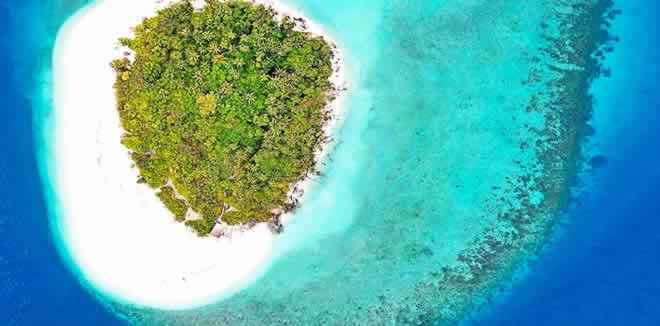
Discover the Maldives: A Tropical Paradise of Stunning Atolls and IslandsMaldives is an island nation that has captured the imagination of millions with its beautiful white sandy beaches and pristine turquoise waters. Maldives comprises of 1,192 islands and is divided into 26 natural atolls along a chain of reef formations located in the Indian Ocean south of India and north of Sri Lanka. The northernmost point is represented by Haa Alifu Atoll, while the southernmost point belongs to Addu (Seenu) Atoll. While Gnaviyani Atoll Maldives is the smallest among all, the Gaafu Alifu Atoll is the largest in Maldives and is also one of the biggest atolls worldwide.There are a number of islands in each of these atolls, some of which can be inhabited, others are home to private resorts, while a majority remain uninhabited. Among all these atolls, the Kaafu Atoll Maldives is considered the best location to stay in because of the availability of accommodation and proximity to Male International Airport, where you can get a quick speedboat ride to your destination.
 Related Resort
Budget Travel Guide to the Maldives
The best budget friendly resorts in Maldives is anything but a modest objective! Just extravagance resorts, just here is a genuine heaven, all the other things isn't Maldives. Such explanations could be heard 10 years prior, yet the pattern of spending the travel industry is acquiring energy and is effectively spreading even to those pieces of the planet that were beforehand distant to spending explorers. In any case, how to appreciate a 5-star extravagance Maldives get-away on a Careful spending plan? Would you trust me on the off chance that I disclosed to you that an intriguing island excursion in the unfathomably beautiful Maldives is undeniably more moderate than you may might suspect?! The best budget maldives resorts tropical heaven on earth prestige as Maldive Islands are acclaimed for its fine white sandy sea shores and the perfectly clear waters. Before the presentation of spending the travel industry (Guest houses) in Maldives, bunches of traveler around the planet wished to appreciate a fantasy excursion in this wonderful heaven. Nonetheless, to bear the cost of a vacation in the Maldives was out of sight for a spending voyager until 2008. After the Introduction of spending the travel industry, traveler appearance to Maldives has been expanding at a quick rate, clearing a path for another part of experience in life for the individuals who look to investigate the common excellence of earth both land life and submerged life. Today indeed, you can thoroughly venture to every part of the Maldives on a tight spending plan.
 Related Resort
10 Best Islands for Budget Trip In Maldives
The 10 best budget maldives trip Spending Islands grant you to get unassuming everything what Maldives needs to offer that may be valuable. These elaborate corners of the island country absolutely appeal to each individuals who like to go through their cash to unfathomable sights and getting experience nearby life reasonable on these enthralling tropical islands than to the luxuriousness resorts with water houses. The best islands in Maldives for spending occasion in Maldives are the best worth, yet besides a brilliant district near Male air terminal, lovely shorelines, tidy up room, a phenomenal food, entrancing journeys and an exceptional assistance. From swimming on house reef to dolphin watching visits, and skipping with Manta shafts and Whale Sharks, and stunningly more, this synopsis of 10 Maldives islands will give you many intriguing disclosures, a short look at Maldives culture and remarkable experience in best cheap resorts in maldives.
 Related Resort
Lowest Price
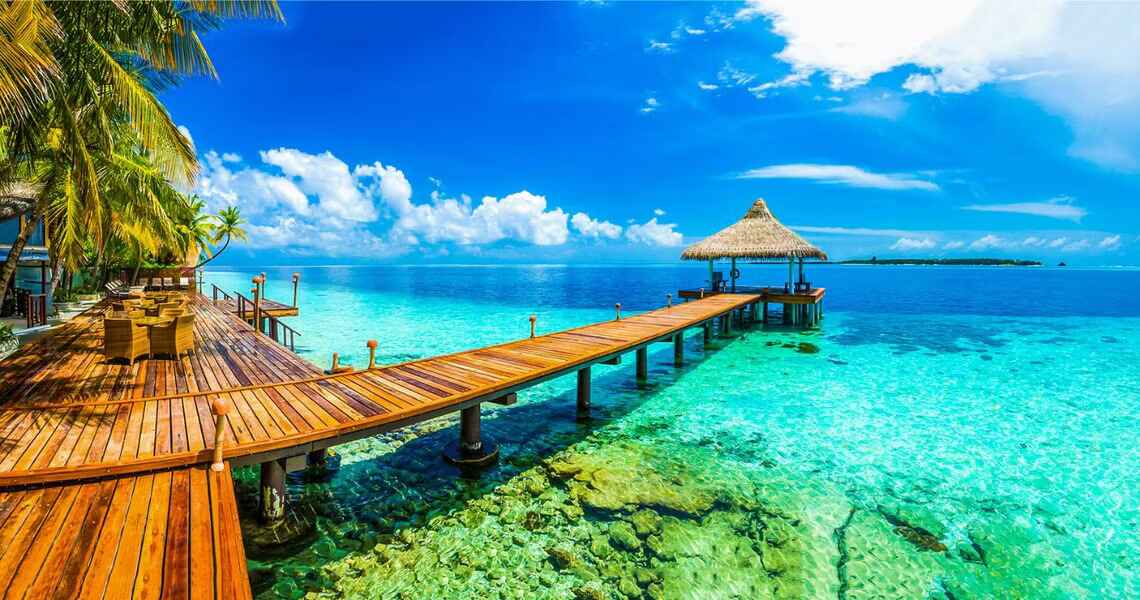
Looking to save money while taking a dream holiday to the Maldives? In the Maldives, there are many reasonably priced all-inclusive resorts that provide excellent value. These 10 best budget resorts In Maldives provide something for everyone, from handy beachside sites to opulent amenities.There is undoubtedly an all-inclusive resort to suit any budget, whether you're looking for a memorable family holiday or a romantic getaway. There are several affordable options, ranging from magnificent beachfront houses to overwater bungalows. So begin making your plans right away and take advantage of the fantastic offers these 10 reasonably priced all-inclusive resorts in the Maldives have to offer!Make the most of your trip to the Maldives by booking inexpensive resorts without sacrificing luxury. Numerous top-notch, reasonably priced resorts provide a wide choice of opulent extras like swimming pools, private villas, beachfront accommodations, water sports and activities like snorkeling, open-air dining spaces, cafes, bars, spas, and more without burning a hole in your wallet.Private beaches with white sand for strolling and swimming in the Indian Ocean are another feature of some of the greatest budget resorts in the Maldives. A jetty connects each of the private villas at some resorts, like the Reethi Beach Resort and Starry Night at Ukulhas, which are situated on the water. The combination of all of these factors results in the most idyllic, romantic, and unforgettable tropical getaway—and all for a very reasonable price.Four restaurants, daily themed entertainment, a kids' club, and an outdoor infinity pool are among the on-site attractions. Holiday Inn Resort Kandooma is the ideal location for a low-cost vacation, offering a wide variety of activities like diving, snorkeling, and kayaking.This resort, which is located on a secluded island with gorgeous white sand beaches and beautiful waters, is ideal for those seeking a romantic getaway.For a truly distinctive experience, pick one of the 39 overwater villas or a villa on the beach. This resort offers a variety of on-site eateries and bars, catering to all tastes. In addition, there are several options, including kayaking, snorkeling, and diving.
 Related Resort
All Budget Hotels In Maldives
The Maldives is a stunning archipelago located in the Indian Ocean, and it is famous for its beautiful beaches in the maldives, crystal clear waters, and luxurious resorts. It is no secret that the Maldives is a popular destination for honeymooners and travelers looking for an exotic and relaxing vacation. However, the Maldives is not just for those who can afford to splurge on luxurious resorts. There are budget-friendly hotels in the Maldives that offer an affordable way to experience this paradise without breaking the bank.Before we dive into the budget hotels in the Maldives, it's essential to understand that the Maldives is a relatively expensive destination. The cost of living is high, and the Maldives has some of the highest room rates in the world. However, with some research and planning, you can find budget-friendly accommodations that will allow you to enjoy this beautiful destination without spending a fortune.One of the best budget hotels in the Maldives is the Reveries Diving Village, located on the island of Gan in the Addu Atoll.The Reveries Diving Village is an excellent option for budget-conscious travelers who want to experience the Maldives' beautiful beaches and marine life without the hefty price tag.Another budget-friendly hotel option in the Maldives is the Thulhagiri Island Resort & Spa. The Thulhagiri Island Resort & Spa is an excellent option for travelers looking for a budget-friendly beachfront resort experience.If you're looking for a budget-friendly option in the capital city of Male, the Hotel Jen Maldives is an excellent choice.The Hotel Jen Maldives is an excellent option for budget-conscious travelers who want to explore the capital city's attractions.Another budget hotel option in the Maldives is the Rihiveli Beach Resort. The Rihiveli Beach Resort is an excellent option for travelers looking for a budget-friendly private island resort experience.The Luckyhiya Hotel is another budget-friendly option in the Maldives. The Luckyhiya Hotel is an excellent option for budget-conscious travelers who want to explore the city's attractions without spending a fortune on accommodations.The UI Inn is another budget hotel option in the Maldives. The UI Inn is an excellent option for travelers looking for a budget-friendly island experience that is still close to the capital city of Male.