
With travellers becoming more concerned about the environment, climate change, and the welfare of local people, sustainability has become the lifeblood of the hospitality sector and the travel business. To meet this demand, hospitality brands all over the world are now choosing sustainable methods. This is further supported by the findings of booking.com's Sustainable Travel Report 2022, which show that 78% of travellers worldwide plan to stay in a sustainable accommodation at least once this year and 71% anticipate making greater efforts to travel more sustainably.
The cornerstone of Cinnamon Hotels & Resorts, sustainability constantly redefines new benchmarks in terms of sustainability and inculcates its fundamental values of compassion, inclusivity, empowerment, and variety across its hotels in Sri Lanka and the Maldives.
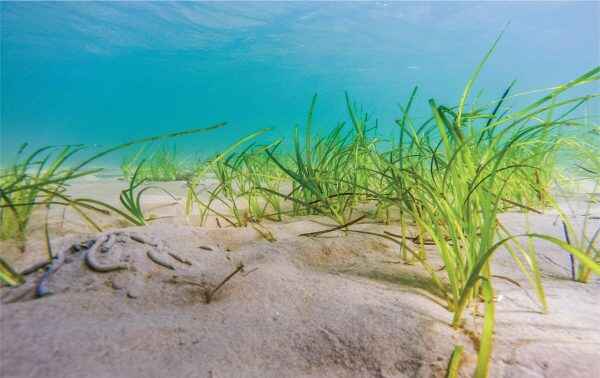
One of the nicest coral reefs in the Maldives can be found at Ellaidhoo Maldives by Cinnamon, a Cinnamon Hotels & Resorts facility that has advanced in its environmental efforts. The resort prioritises a number of environmentally friendly programmes, such as reducing plastic use, growing its own organic produce, and protecting coral reefs.
Reducing waste and the usage of single-use plastic
The resort was able to cut its use of plastic during the previous year by switching to washable and reusable waste bags and hand-made paper bags fashioned from magazines found on the grounds to replace plastic laundry bags. To further reduce the use of plastic on the property, the resort has also added wooden key cards, paper bags, wooden straws, and wooden bins to replace its plastic water bottles with refillable, customised drinking water bottles. Through all of these initiatives, the property was able to lower its usage of plastic by almost 11,500 KG in 2021 and 2022.
The hotel has gone one step further by offering tote bags fashioned entirely from broken umbrellas that were found on the premises. Within the resort, these purses are now a well-liked addition.
Farming to table
The resort has launched a unique programme called "Farm to Plate," an organic vegetable farm that aims to produce fresh fruits and vegetables on-site. Wastewater is used as the primary source to hydrate the farm, which has a separate composting area where dried leaves are turned into compost. The resort collaborates closely with the neighbourhood to recycle coconut palm leaves to create roofing coverings for resort public spaces.