Dangerous Fish in The Maldives - World's Deadliest Fish
About Dangerous Fish in The Maldives - World's Deadliest Fish
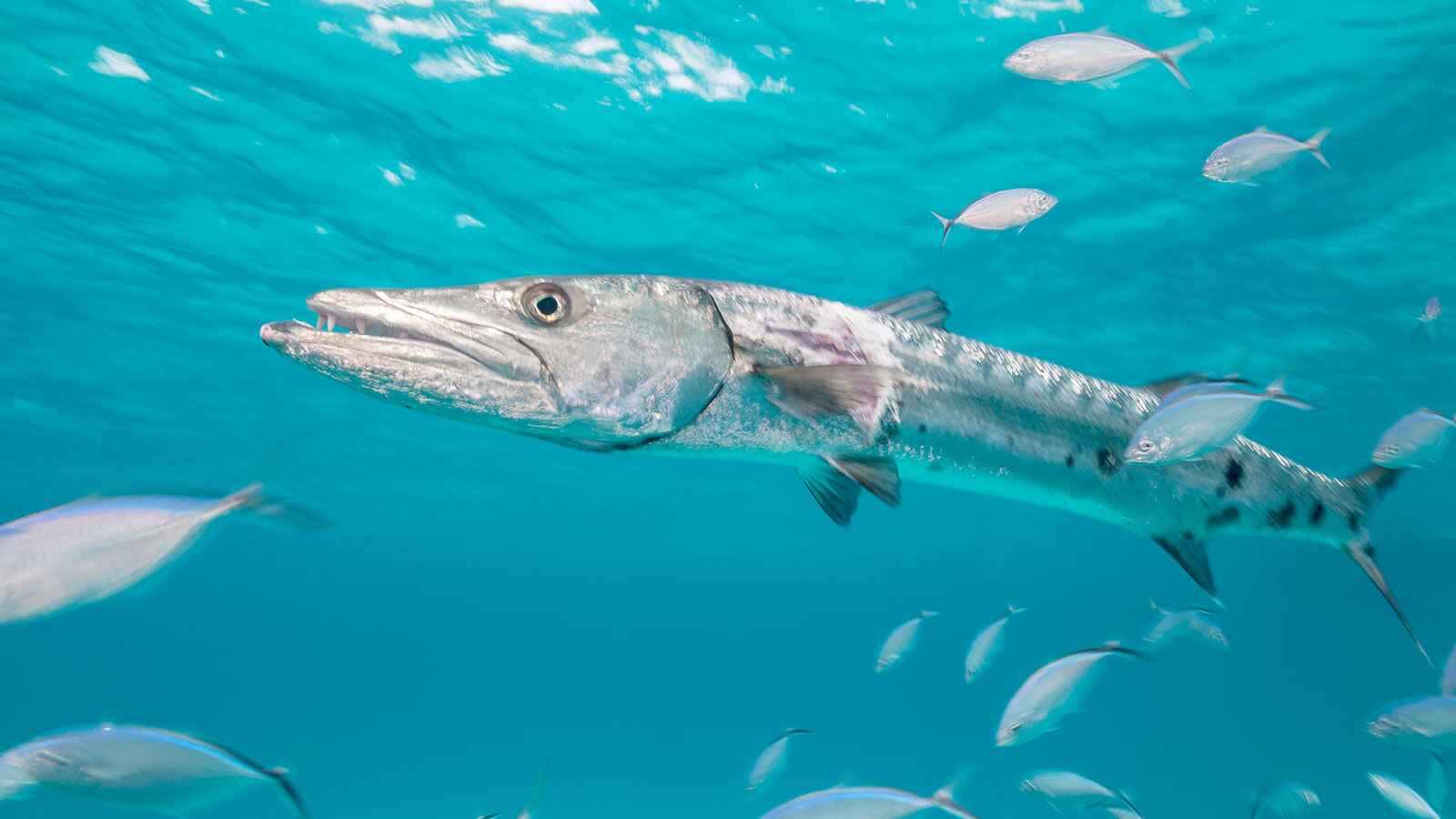
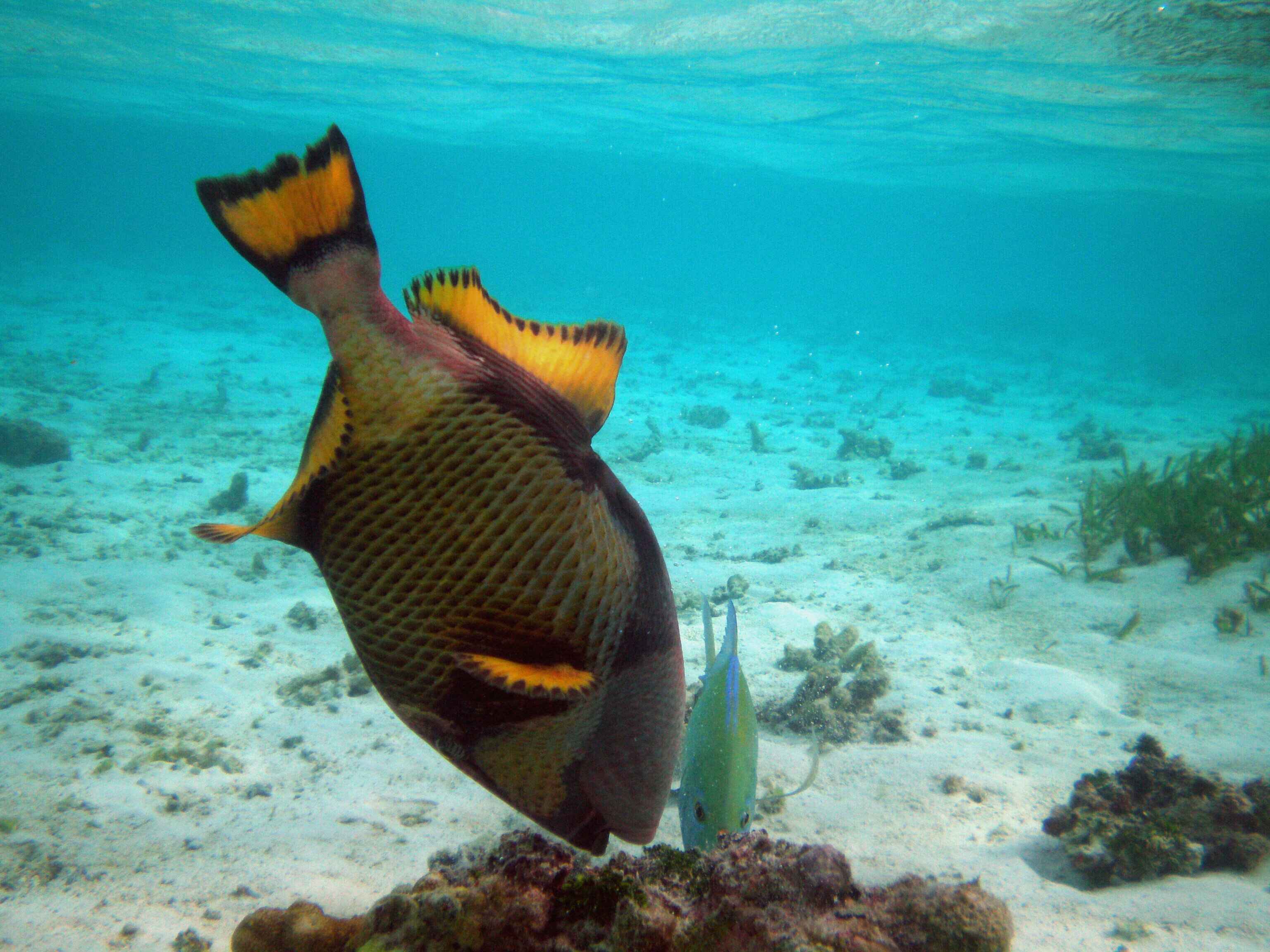
However, when traveling to the Maldives, one must remember that the Indian Ocean hosts some very dangerous marine species, and when participating in underwater activities, it is necessary to be aware and careful.
In most cases, the majority of dangerous fish that live in the Maldives do not attack people and are not aggressive.
As a result, divers and snorkelers can explore the Maldivian waters safely, provided that all safety recommendations are followed and marine life is respected.
Knowledge about the dangerous species living in the Indian Ocean is an important factor that will help travelers have an amazing experience in the Maldives without putting their safety at risk.
Activities and Experiences
Visiting the Maldives allows experiencing the thrill of discovering different underwater ecosystems while following safe ocean rules.
| 🤿 Exploring coral reefs through scuba diving |
| 🐠 Meeting tropical marine species through snorkeling |
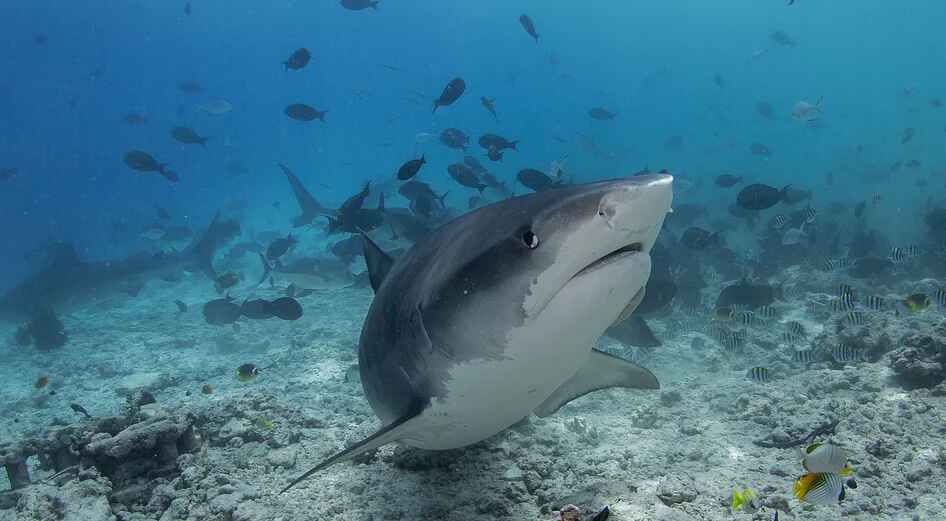
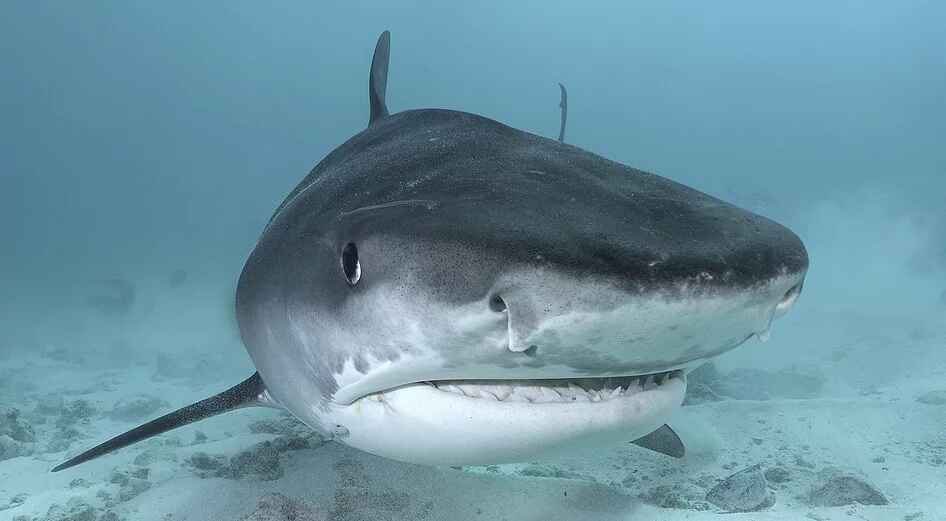
| 🦈 Going on reef shark dives |
| 🐢 Seeing sea turtles |
| 📸 Going on underwater photography trips |
| 🌊 Participating in drift diving |
| 🚤 Going on marine safaris |
| 🐬 Watching dolphins |
| 🏝️ Hopping from one island to another |
| 🌅 Having unforgettable sunset experiences in the ocean |
Stonefish – One of the World’s Most Venomous Fish
The stonefish is one of the most dangerous fishes in the world due to the presence of very venomous spines.
The stonefish are extremely difficult to notice because they look like rocks or reefs.
These fish usually lie still on sandy bottoms or reefs.
People get injured by stepping on them while swimming in shallow water.
Although stonefishes have highly toxic venom, they are very docile fish.
Lionfish
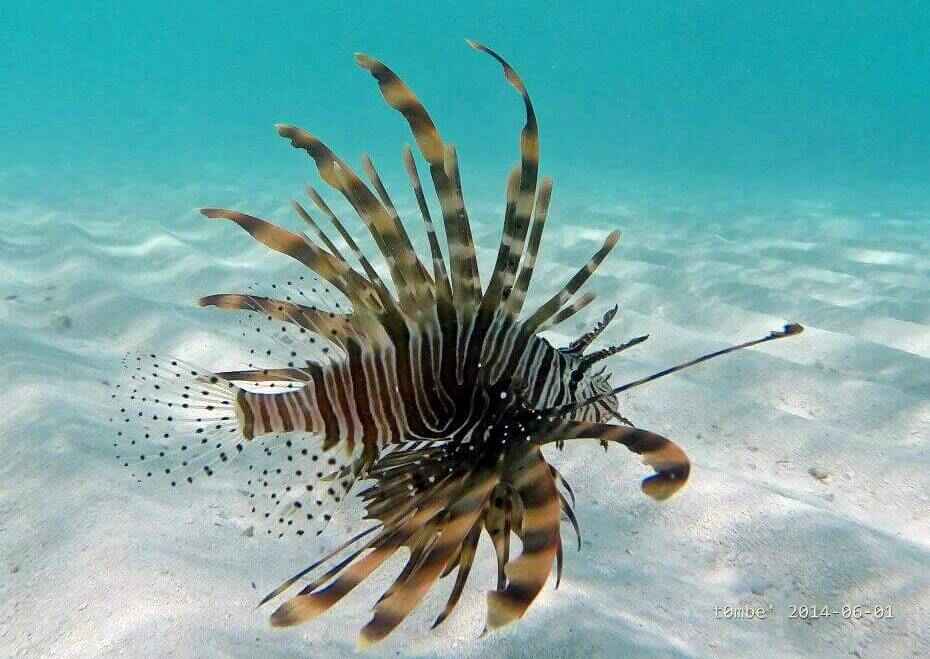
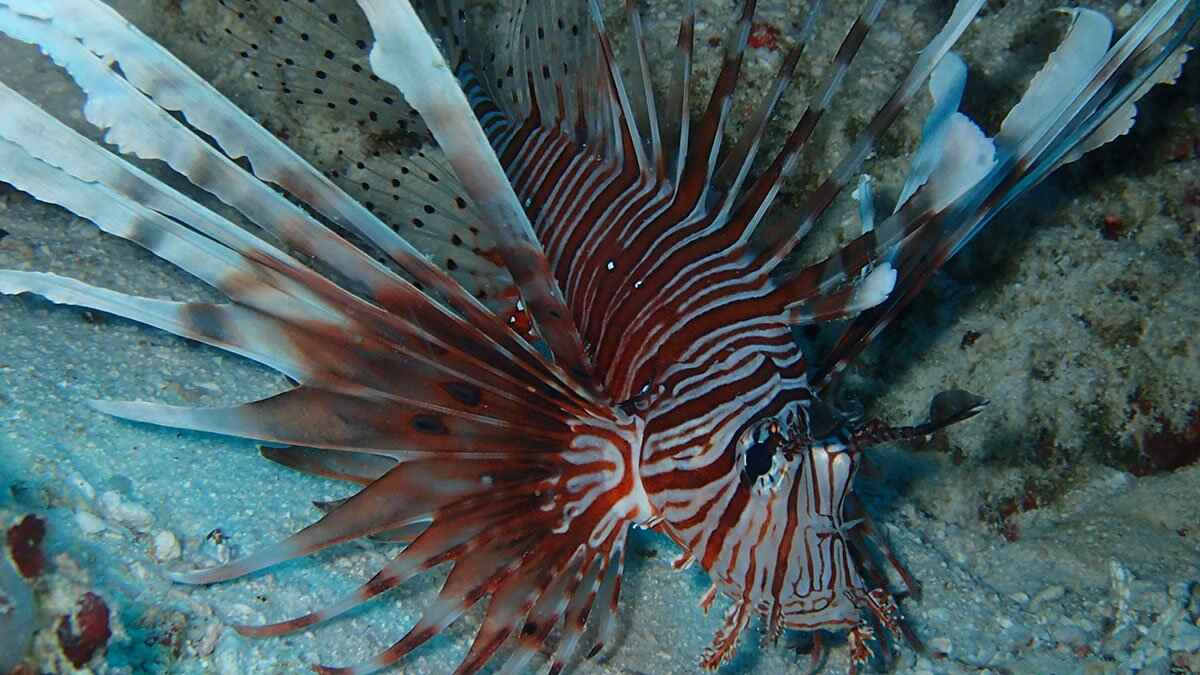
Lionfishes are venomous reef fish found near the coral reefs in the Maldives.
The fins of these fishes contain poisonous spines which can sting when handled.
Lionfishes are considered one of the most beautiful fish species and people love to take pictures of them.
However, the divers must keep safe distance to avoid accidents.
Ocean Traveling Safety Guidelines
The travelers visiting the oceans of Maldives should follow some basic safety measures:
| Never touch anything underwater |
| Always wear protection when swimming in shallow lagoons |
| Keep your distance from all wild animals in water |
| Follow the diving and snorkeling instructions carefully |
| Don’t ever put hand in reef holes or caves |
The Maldives is one of the most secure ocean tourism locations in the world.
The dangers from venomous fishes become real only when they are disturbed.
Related Maldives Resorts & Hotels
 Related Resort
Manta Rays In Maldives
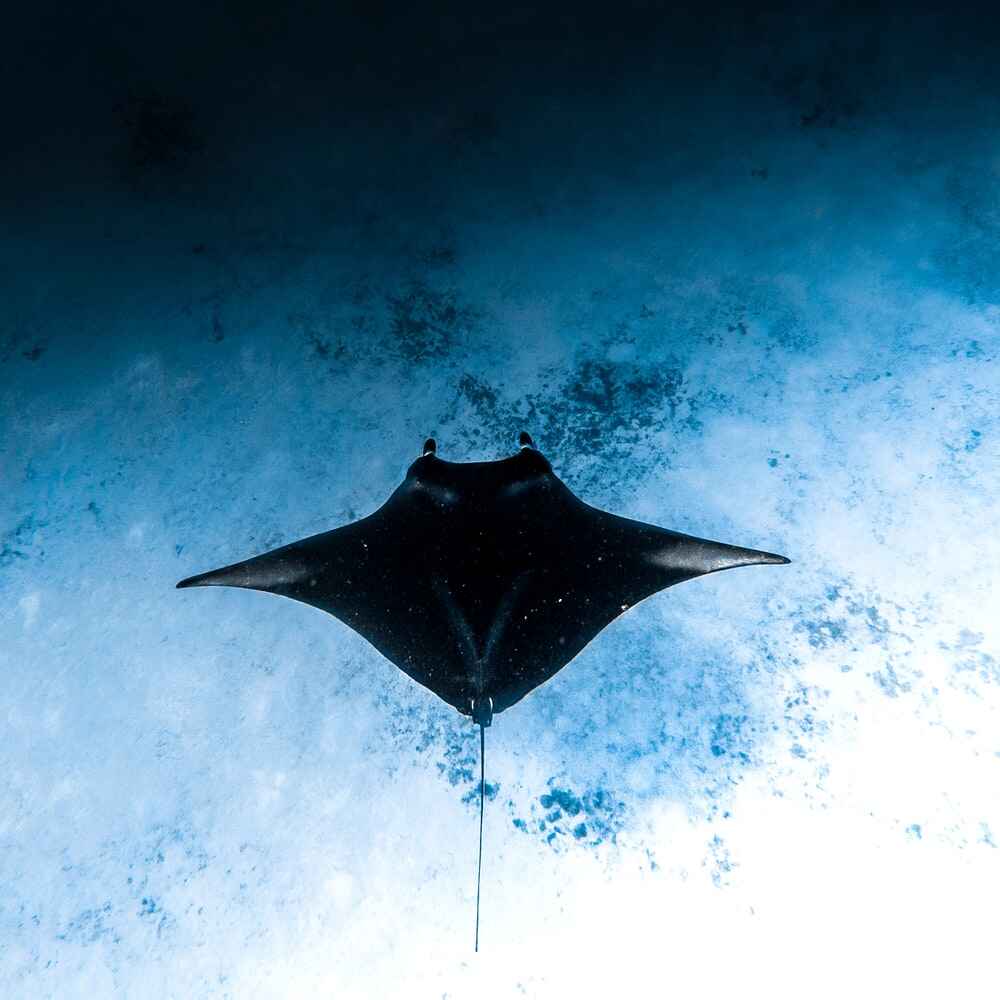
Nearly each and every individual who visites to the islands heard that there are Manta beams in the Maldives. Swimming or jumping with goliath ocean 'devilfish' is normally exceptionally respected and is the top "should do" in the movement can records beautiful maldives. Consequently nothing can be more discouraging than going to the retreat just to discover that "presently isn't the Manta Ray season". Why? - you inquire. Isn't there consistently a Manta here? The appropriate response is yes. Manta beams are consistently and around, yet they move and move with the seasons. The Maldives is a dynamite objective for sightings of manta beams. Notwithstanding, you need to know where and when to spot them. Consequently, if your fundamental objective is manta beams, ensure that you have picked the correct time and the best area of your hotel in the Maldives beach house maldives. To realize where to figure out mantas whenever, we need to know a couple of things about the seasons and sea flows of the Indian Ocean rays in the maldives.
 Related Resort
Whale Sharks In Maldives
Whale sharks, the gentle giants of the ocean, are a major draw for tourists visiting the Maldives. These magnificent creatures, which are the largest fish in the world, can be found in the Maldives waters throughout the year. However, the best time to spot them is during the southwest monsoon season, which typically runs from May to December. During this period, nutrient-rich waters attract plankton and small fish, which in turn attract whale sharks.Best Season For Whale Shark Sighting in MaldivesThe peak season for whale shark sightings in the Maldives is generally from May to November, with the highest concentration of sightings occurring between June and September. During these months, the water visibility is typically at its best, making it easier for divers and snorkelers to spot these elusive giants as they glide gracefully through the crystal-clear waters of the Maldives.While whale sharks can be found in various parts of the Maldives, certain locations are known for offering particularly good opportunities for sightings. The South Ari Atoll, in particular, is renowned for its frequent encounters with whale sharks, with dive sites such as Maamigili and Dhigurah often attracting these magnificent creatures. Other popular spots for whale shark sightings include the Baa Atoll Biosphere Reserve, the North Ari Atoll, and the South Male Atoll.To maximize your chances of encountering whale sharks during your visit to the Maldives, it's advisable to book a snorkeling or diving excursion with a reputable tour operator. Many resorts and dive centers in the Maldives offer guided tours specifically focused on whale shark encounters, led by experienced guides who know the best locations and times to find these majestic creatures.Snorkeling or Diving with Whale SharksIt's important to remember that while whale sharks are generally considered harmless to humans, they are still wild animals and should be treated with respect and caution. When snorkeling or diving with whale sharks, it's essential to maintain a respectful distance and avoid touching or harassing them in any way. Responsible ecotourism practices, such as following guidelines for sustainable wildlife viewing and minimizing environmental impact, are crucial for ensuring the continued conservation of these magnificent creatures and their habitats.While whale sharks can be found in the waters of the Maldives throughout the year, the best time to spot them is during the southwest monsoon season from May to December, with peak sightings occurring between June and September. By booking a guided tour with a reputable operator and practicing responsible ecotourism, visitors to the Maldives can enjoy unforgettable encounters with these gentle giants while supporting their conservation efforts.Coming up next are the 10 best whale shark amd manta beams areas in the Maldives alongside a sign of what is the best an ideal opportunity.
 Related Resort
Fishes In the Maldives
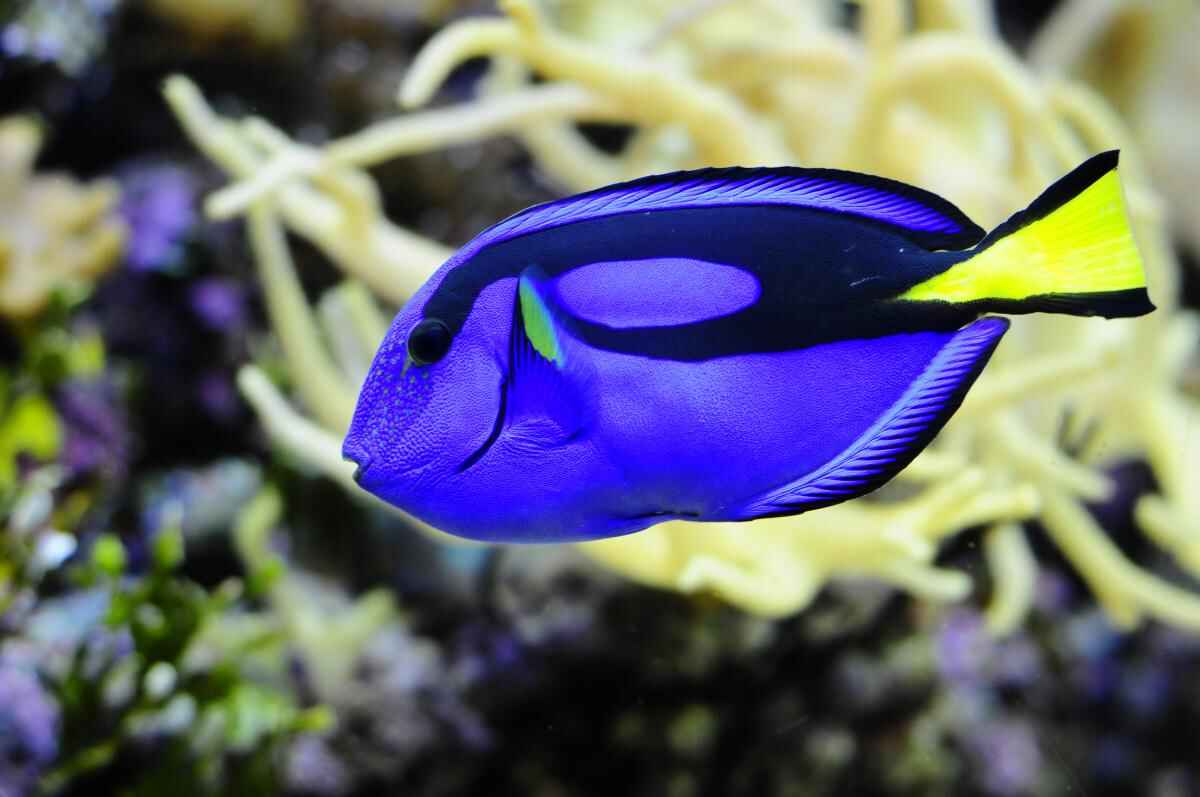
The known fish fauna of the Maldives as of now stays at precisely 1100 species, far unbelievable biodiversity seen in most various areas. This is twofold the amount of species that was known from the Maldives going before the advancement of the Marine Investigation Region in 1984. Regardless of the rich fish fauna, Maldives has very few endemic species (for instance ones that are viewed as here and no spot else). Before long the rich biodiversity attracts various jumpers and swimmers from all areas all around the planet. All the more profoundly concentrate on different species with us famous maldives resort.The 26 atolls that spread the news about up the Maldives may be for their sparkling white sands and extravagant beach front lodgings, however then again they're notable for their splendid and intriguing marine life. As you may know, the key economy of the Maldives is the movement business, and the marine fauna, with its flood of fish, bars, sharks and turtles, allows splendid opportunities to swimming and hopping. Maldives is one of the most perfect island nations on earth and has a rich marine fauna. Plentiful coral turn of events and the undertakings of neighboring organizations to defend the lowered world assurance that scuba jumpers and swimmers live it up in this tropical paradise.Find an arrangement of fish in the Maldives as you examine the significant waters of this archipelago. The Maldives is clearly arranged across the equator, so explorers can help an example of the two parts of the globe through the approximately 1,200 islands. While there are many visits that consideration on finding whales or dolphins in the Maldives, exploring fish is at this point an advantage as you will find a great deal of schools of fish paying little mind to where you hop beautiful maldives.
 Related Resort
Hanifaru Bay In Maldives
Hanifaru Bay, located in the Maldives, is renowned for its extraordinary marine biodiversity and its significance as a gathering point for manta rays and whale sharks. It's a protected marine area within the Baa Atoll UNESCO Biosphere Reserve, recognized for its exceptional natural beauty and ecological importance.During certain times of the year, particularly from May to November, Hanifaru Bay becomes a hot spot for marine life, as plankton blooms attract large numbers of filter-feeding animals like manta rays and whale sharks. This phenomenon is known as a "manta ray feeding frenzy" and offers a unique opportunity for snorkelers and divers to witness these majestic creatures up close.Due to its ecological significance, Hanifaru Bay in Maldives is subject to strict regulations aimed at preserving its fragile ecosystem. Visitors are typically required to obtain permits and are accompanied by guides to ensure responsible tourism practices are followed to minimize disturbances to the marine life and their habitat.
 Related Resort
Dangerous Fish In Maldives
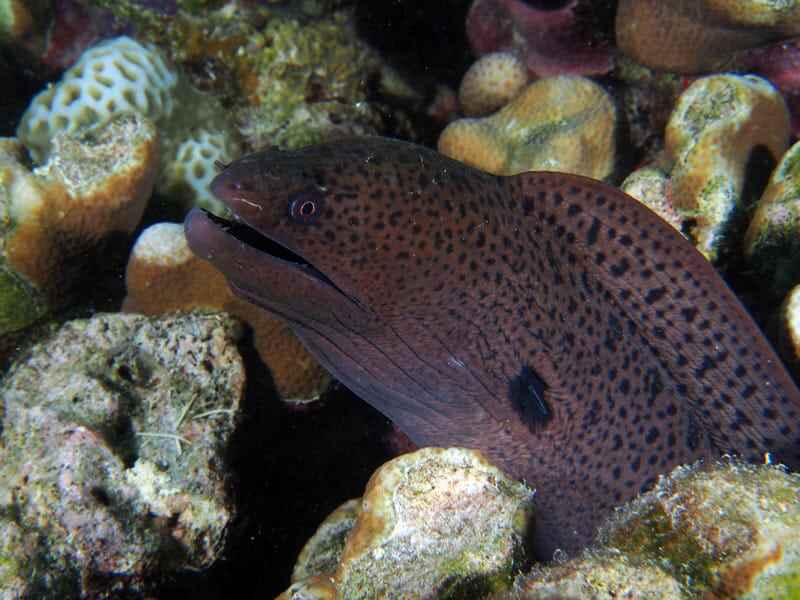
Today, the world is home to over 35,000 fish species, a considerable number of which are deadly. While the common perception may associate deadly fish with large sharks, some of the most lethal species are actually quite small. Certain fish carry enough poison to fatally harm an adult within an hour, and not all of them have an antidote. We will explore the Most Dangerous Fish In The World, ranging from the largest to the smallest.1. Moray Eel - Dangerous Fish:Moray eels, despite their snake-like appearance, are actually fish and pose a significant danger. There are approximately 200 species of moray eels globally, with most inhabiting the sea, though some are presenting in freshwater. With the ability to grow up to 5 feet in length, they lack pectoral fins, leading some to mistake them for snakes. Their diet primarily consists of squid, octopus, crustaceans, and other fish, and they tend to inhabit rocky crevices. Divers frequently face their aggressive attacks, as these eels react swiftly and fiercely when disturbed. Their teeth, which are exceptionally powerful and sharp, are angled backward to prevent prey from escaping, resulting in extremely painful bites that typically cause heavy bleeding. Moreover, moray eels carry a toxin in their slime and mouth that destroys red blood cells, making their bites particularly severe.2. Pufferfish - Top 10 Venomous Fish:The pufferfish is considered one of the world most dangerous fish . There are over 120 species of pufferfish, varying in size from 1 inch to over 2 feet. Pufferfish inhabit tropical and subtropical waters and inflate into a ball when threatened or disturbed, hence their name. They have large spines on their skin, which are only visible when they are puffed up.Pufferfish most poisonous fish in the world, also called fugu in Japan, is considered a delicacy. Chefs are required to undergo extensive training and obtain a special license before they can handle and serve this dish. Any error in preparation could have fatal consequences, as diners are truly risking their lives. Even a small dose of poison from the fish can lead to paralysis and death, with the affected person remaining conscious until the end.3. Lionfish:Lionfish - Beautiful Dangerous Fish, known for their vibrant colors, are highly venomous creatures originally from the Pacific Ocean, but have since spread to other oceans. They can grow up to 18 inches in length and have distinctive red, white, or black bands as well as venomous spiky fin rays. Their diet primarily consists of small fish and invertebrates, which they consume whole after disorienting them with water jets.4. Stonefish:Stonefish - Top 10 Poisonous Fish typically measure around 14 to 20 inches in length and width, owing to their exceptionally wide pectoral fins. These venomous creatures are commonly found in tropical waters, including the Indian Ocean, Pacific, Red Sea, and the Great Barrier Reef. With their crusty skin and sharp spines, they possess enough toxins to fatally harm an adult in under an hour, making them the most venomous fish in the world. Operating as ambush predators, they forage along the seafloor, where they adeptly camouflage themselves amidst the rocks and sand, thanks to their crusty skin, which lends them their name.Stone Fish Attack - How quick can stonefish attack you?Stonefish are the most dangerous venomous (poisonous) fish on Earth. Stonefish do not engage in aggressive behavior towards humans; however, they possess the ability to administer excruciating stings through the discharge of highly potent venom when inadvertently stepped on.
 Related Resort
Thila, Giri, Kandu In Maldives
Thila, Giri, and Kandu dives are some of the most thrilling experiences you can have while scuba diving in the Maldives. These dives offer unique underwater landscapes and incredible marine life encounters that attract divers from all over the world.Thila Dives: Thilas are underwater pinnacles or seamounts that rise from the ocean floor, creating vibrant ecosystems teeming with marine life. Diving around Thilas is like exploring an underwater city, with schools of colorful fish, intricate coral formations, and fascinating macro life. Thila dives often involve circling the pinnacle, exploring its different sides and depths while encountering a diverse array of marine creatures, including reef sharks, eagle rays, and moray eels.Giri Dives: Giris are submerged coral formations typically found along the edges of atolls or within channels. These dive sites are characterized by their dramatic drop-offs and walls covered in coral, sponges, and sea fans. Giri dives offer the chance to drift along the edge of the reef, watching as the underwater landscape changes and spotting larger pelagic species cruising in the blue. Currents can be strong at Giri dive sites, making them ideal for experienced divers seeking an adrenaline-filled adventure.Kandu Dives: Kandus are channels that connect the lagoons of atolls to the open ocean. These dynamic underwater environments are influenced by strong currents, creating thrilling dive experiences. During Kandu dives, divers can encounter an abundance of marine life congregating in the channel entrances, including sharks, rays, and schools of fish. Diving in a Kandu requires careful planning and coordination due to the changing currents, but the opportunity to witness the spectacle of underwater life in motion is well worth the effort.Whether you're a novice diver or a seasoned underwater explorer, Thila, Giri, and Kandu dives in the Maldives offer unforgettable adventures beneath the waves. Make sure to dive with a reputable dive center and always prioritize safety while enjoying the wonders of the underwater world.