Maldives Travel and Local Information Guide
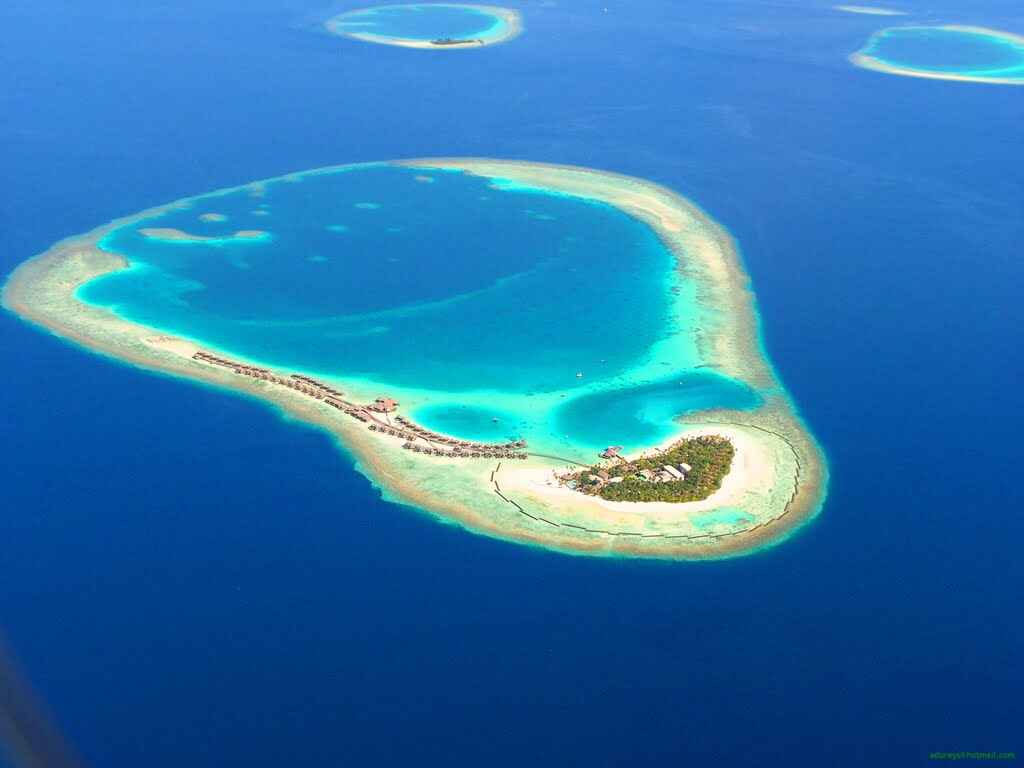
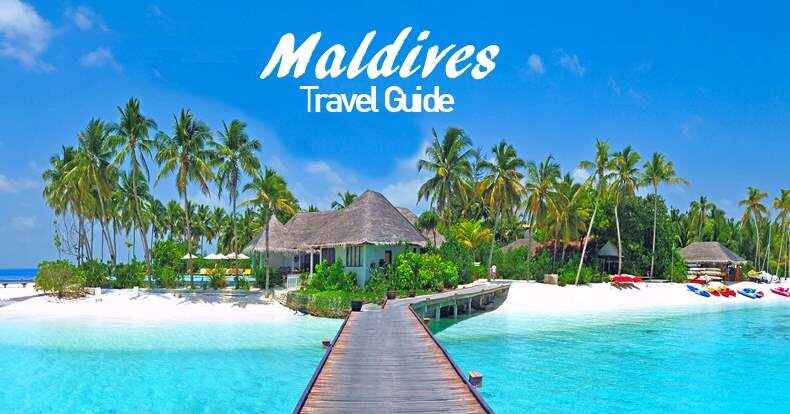
The Maldives has long been celebrated as one of the world's most romantic destinations — and rightly so. The turquoise lagoons, powdery white beaches, and iconic overwater villas have made it the first choice for honeymooners and couples for decades. But the Maldives is quietly becoming something more than that. Families are discovering it in growing numbers, and it turns out that the islands that enchant couples work just as beautifully for children, parents, and multigenerational groups travelling together.
Year-round sunshine, warm and calm waters, safe beaches, and world-class water sports make the Maldives a destination that genuinely suits all ages. More and more resorts are now purpose-built for families, and the options available today are far broader and more thoughtfully designed than they were even a few years ago.
What to Consider When Planning Your Trip
Planning a Maldives holiday - particularly with children — involves a few decisions that are worth thinking through carefully before you book anything.
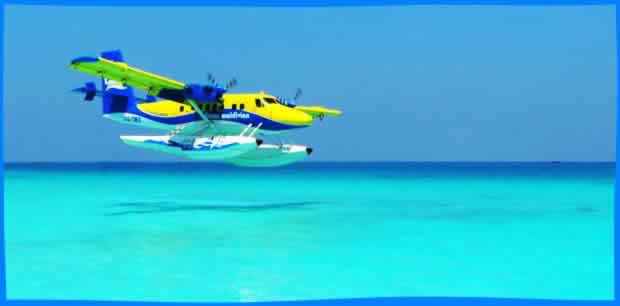
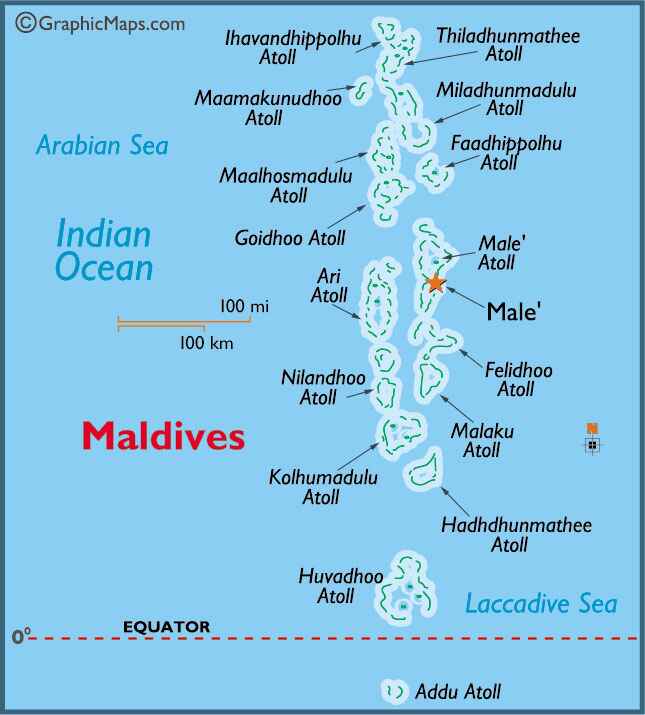
Transfer times matter more than most people expect. The Maldives is an archipelago spread across a vast stretch of the Indian Ocean, and getting from the main international airport in Malé to your resort can range from a short speedboat ride to a lengthy seaplane journey. With young children, shorter transfers are generally preferable. Resorts close to Malé — those reachable by speedboat in under 30 minutes — are worth prioritising if you are travelling with infants or toddlers.
Direct flights reduce travel fatigue significantly. Where possible, choosing direct or minimal-connection flights makes a genuine difference, especially for families with young children. The less time spent in transit, the better the arrival experience.
Check what the resort offers for children before booking. Not all resorts in the Maldives are equally family-friendly. Look for properties with dedicated children's clubs, shallow lagoons or pools suitable for younger swimmers, on-site medical facilities, and family villa categories with adequate space. Some of the most visually stunning resorts - particularly those with overwater villas as their primary offering - are less well suited to very young children, as direct water access requires constant supervision.
Proximity to medical care is worth considering. While the Maldives is a safe destination, having a resort with on-island medical support, or being within reasonable reach of Male in the unlikely event of an emergency, gives families genuine peace of mind.
Scuba Diving in the Maldives
The underwater world of the Maldives is extraordinary - arguably the finest reason to visit the country at all. The reefs here are teeming with marine life, and the visibility in the water is exceptional for much of the year. Scuba diving in the Maldives is a world-class experience, attracting divers of all levels from beginners completing their first open water dives to experienced divers seeking out challenging drift dives and deep sites.
Manta rays, whale sharks, reef sharks, sea turtles, and an astonishing variety of reef fish are regular sightings. Many resorts have dedicated dive centres with qualified instructors and equipment available for hire, making it easy to plan diving activities as part of a broader holiday.
Sports and Activities
The Maldives is a water sports destination without equal. Snorkeling, surfing, kayaking, windsurfing, wakeboarding, stand-up paddleboarding, and parasailing are all widely available across resort and local islands alike. The calm, warm waters create ideal conditions for most activities, and even less experienced participants tend to take to the water with confidence relatively quickly.
For those who prefer to stay on land, resort facilities typically include tennis courts, fitness centres, beach volleyball, and yoga sessions. Spa treatments - many inspired by traditional techniques and local ingredients — are a highlight at numerous properties throughout the islands.
Dining in the Maldives
Dining in the Maldives covers a remarkably wide spectrum, from simple and satisfying local Maldivian food on inhabited islands to elaborate multi-course menus at some of the region's most celebrated resort restaurants.
Traditional Maldivian cuisine is centred around fresh fish — particularly tuna — combined with coconut, chilli, and rice. Short eats cafés on local islands serve these staples in quick, affordable portions that are genuinely delicious and give visitors a real taste of everyday Maldivian food culture.
Resort dining tends toward international menus, with many properties offering Japanese, Mediterranean, Indian, and contemporary seafood cuisine. Beachside dinners, overwater dining tables, and sandbank picnics are among the more memorable dining experiences the Maldives has to offer.
Male -The Capital City
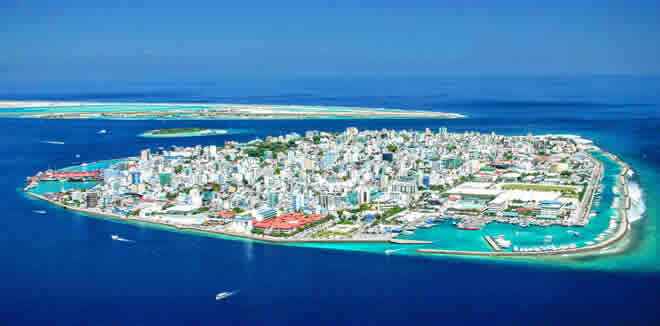
Male is one of the most densely populated capital cities in the world, which comes as a surprise to many visitors who expect something small and quiet. It is compact, busy, and genuinely fascinating - a real working city that operates at a completely different pace from the resort islands that surround it.
The fish market near the waterfront is a lively and colourful place worth visiting, particularly in the early morning when the day's catch arrives. The Friday Mosque, the National Museum, and the local markets offer a window into Maldivian culture and daily life that no resort stay can replicate.
Most visitors to Male are passing through on their way to or from their resort, but spending even a few hours exploring the city adds a layer of authenticity to any Maldives trip. It is a reminder that behind the overwater villas and pristine beaches, there is a real country with a real history and a genuinely warm and welcoming population.
Essential Travel Information
Currency: The Maldivian Rufiyaa is the local currency, though US dollars are widely accepted at resorts and many guesthouses.
Language: Dhivehi is the national language. English is widely spoken across tourism areas, resorts, and guesthouses.
Religion: The Maldives is a Muslim country. Modest dress is expected on local islands outside of designated tourist beach areas. Alcohol is not available on inhabited local islands but is served freely at licensed resort properties.
Weather: The Maldives enjoys a tropical climate with warm temperatures throughout the year. The dry season runs roughly from November to April and is generally considered the best time to visit. The wet season from May to October brings more rain and wind, though it rarely spoils an entire day and prices are noticeably lower during this period.
Visa: Most nationalities receive a free 30-day visa on arrival, making entry straightforward for the majority of international visitors.
Compare Live Rates & Exclusive Deals
Compare Live Rates & Exclusive Deals
Guides & Collections in Maldives Travel and Local Information Guide
Maldives Information

Sports and Activities In Maldives
Male City In Maldives
MALDIVES INFO GUIDE
Maldives Atolls Guide